Sinus Lift Surgery in Antalya, Turkey
Did you think you couldn’t get dental implants because you don’t have enough bone in your upper jaw? That’s no longer an obstacle. At our clinics in Alanya and Antalya, thanks to the sinus lift procedure—also known as sinus augmentation—we can provide patients with insufficient bone height with dental implants that will last a lifetime. On Turkey’s sunny coast, meeting international standards, with minimal discomfort.
Open · Closed · Piezo · Balloon Technique — All Options Under One Roof
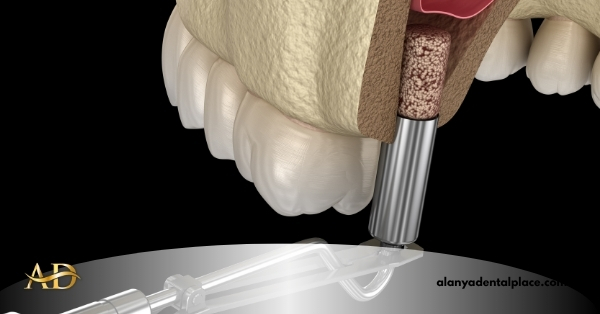
What Is a Sinus Lift in Turkey? Why Is It Necessary?
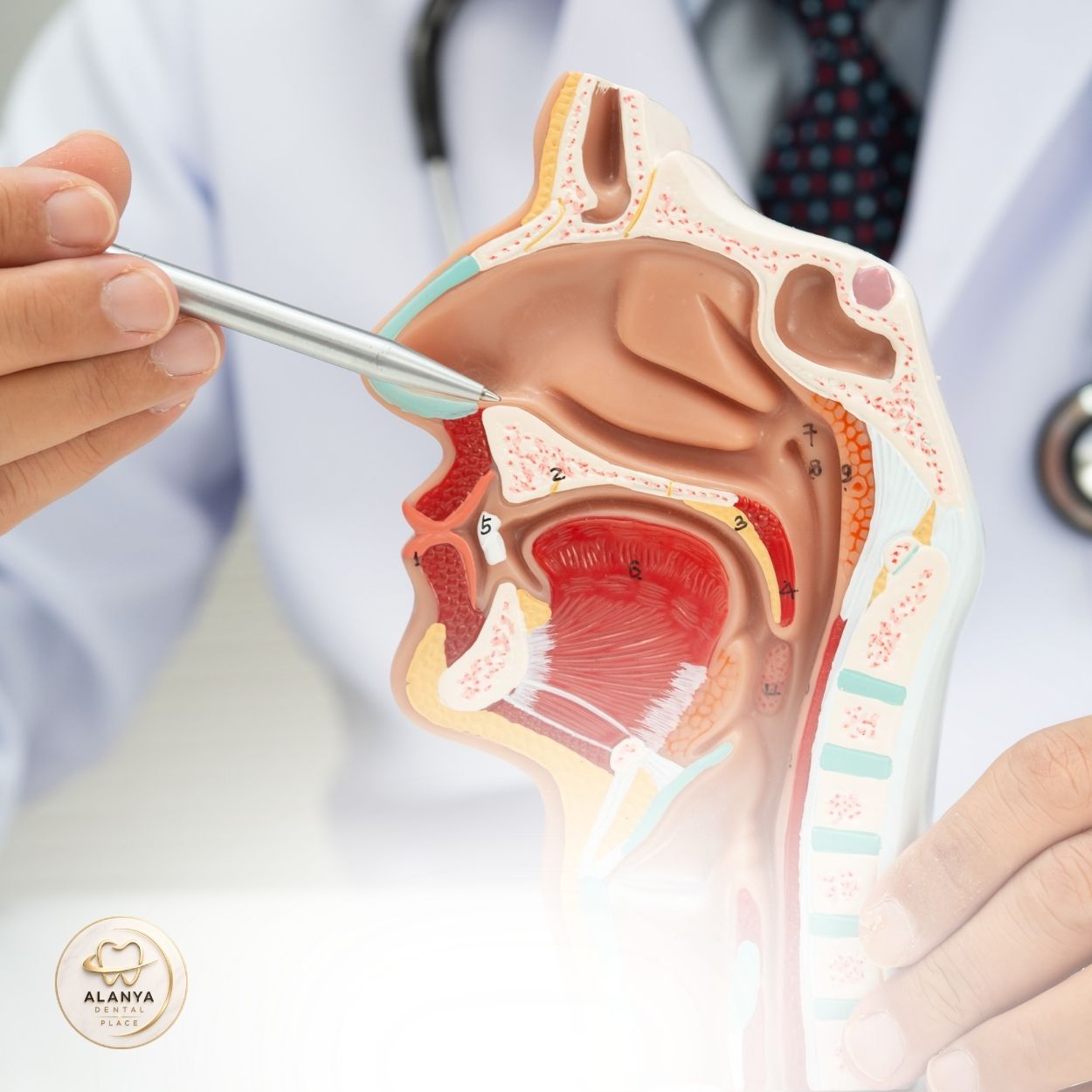
The roots of our upper teeth are located very close to the maxillary sinuses, which are situated on either side of our nose. With tooth loss, the bone tissue in this area gradually resorbs over time, causing the sinus floor to collapse; this leaves insufficient bone height for an implant. In this situation, it is not possible to place a standard dental implant because the screw would penetrate the sinus.
This is where a sinus lift comes into play: the sinus floor is carefully lifted, a bone graft is placed in the resulting space, and the bone volume is increased to create a solid foundation for the implant. In Turkey, sinus lifts have become a procedure that has seen a more than tenfold increase over the past decade in major dental tourism hubs such as Antalya and Alanya.
Sinus Lift Procedures: Which One Is Right for You?
A sinus lift is not a one-size-fits-all procedure. The most appropriate technique is determined based on your bone height, the anatomy of your sinus, and your overall health. We currently offer four different methods at our clinic.
🔓 Open Sinus LiftLateral window technique. The classic method that is the most reliable and allows for the largest graft volume. | 🔒 Closed Sinus LiftCrestal (transalveolar) technique. Minimally invasive; performed through the implant site. | 🎈 Balloon Technique (Hydrolift)The sinus membrane is lifted using a special balloon catheter. This is the least invasive option. |
⚡ Piezo Sinus LiftUltrasonic bone cutting. Minimizes the risk of membrane perforation. | 🦷 Immediate ImplantIf there is sufficient primary stability, the implant can be placed during the same session. | 🧬 PRF-Assisted FaceliftGraft healing is accelerated using a fibrin matrix derived from the patient’s own blood. |
Open Sinus Lift (Lateral Window Technique) — An In-Depth Look
Open sinus lift is the preferred method in cases where bone height is less than 4 mm, and it has been proven to provide the most comprehensive and long-term results. A small bone window is created in the lateral sinus wall, the Schneiderian membrane (sinus lining) is carefully lifted, and the resulting space is filled with autogenous bone, xenograft (animal-derived), allograft, or synthetic bone graft material. After 6–9 months, the graft matures, creating an ideal bone bed for the implant.
Closed Sinus Lift (Crestal / Transalveolar Technique)
In this minimally invasive procedure, which is preferred for cases where bone height ranges from 5 to 8 mm, the sinus floor is lifted with millimeter-level precision using specialized instruments through the canal created by the implant screw. Closed sinus lifting results in less swelling and faster healing compared to the lateral approach; in many cases, it allows for implant placement during the same session. At our clinic in Alanya and Antalya, international patients, particularly those with short vacation plans, prefer this technique.
Piezoelectric (Ultrasonic) Sinus Lift — Membrane Retention
The ultrasonic vibrations of the piezo device cut only hard tissue (bone); they do not affect soft tissue—especially the thin and delicate Schneiderian membrane. This technology reduces the risk of membrane perforation—the most common complication in open sinus lifts—by up to 70%. At our clinic, the piezo device is a standard part of the protocol for all open sinus lift cases.
Who Is a Candidate for a Sinus Lift? Who Should Not Undergo the Procedure?
Why Is a CBCT Scan Required Before a Sinus Lift?
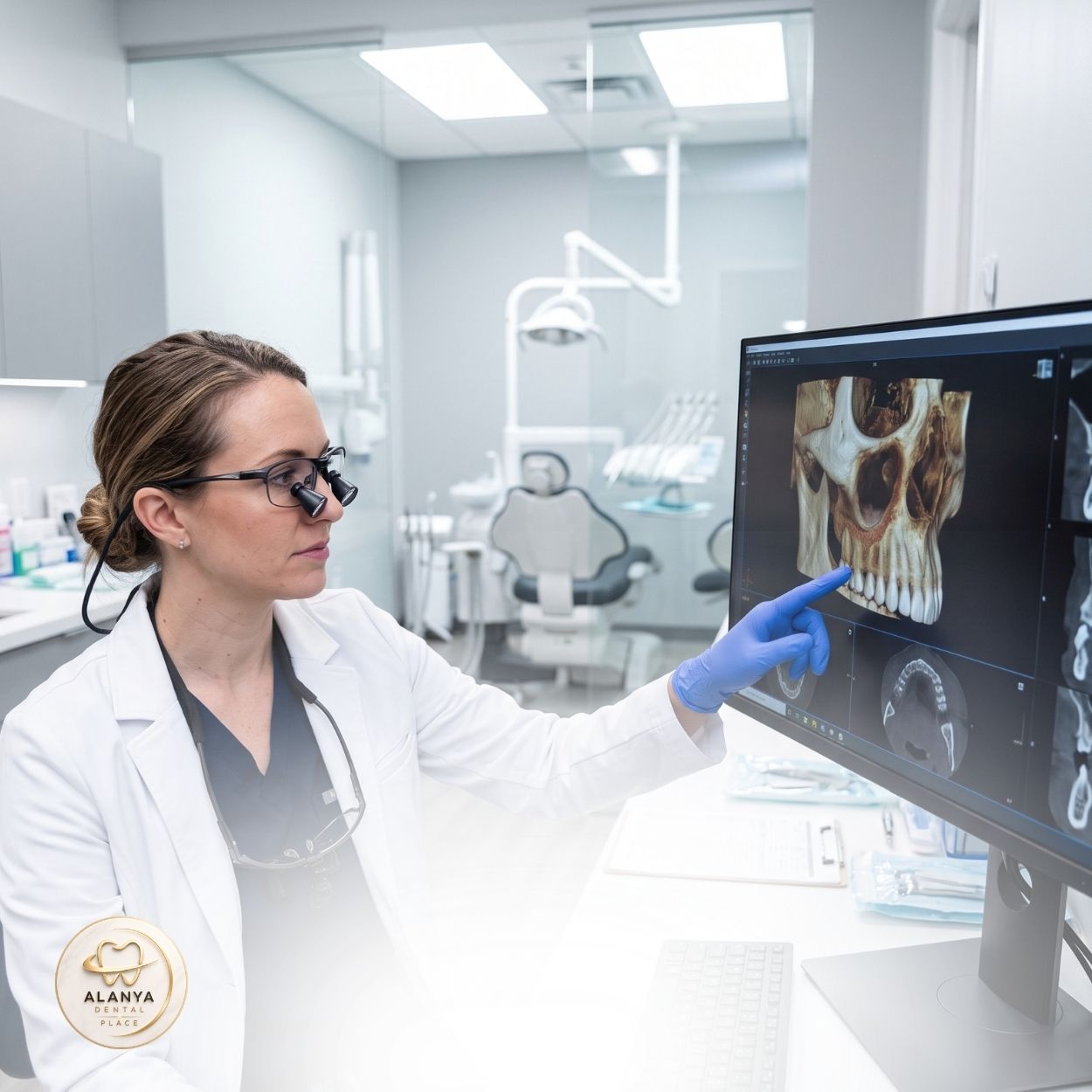
A two-dimensional panoramic X-ray cannot accurately depict the anatomy of the sinus, the thickness of the membrane, or the existing bone volume. 3D CBCT imaging reveals the presence of the sinus septum (the internal bony partition), the condition of the membrane, and the course of blood vessels and nerves with millimeter-level precision. At our clinic, all sinus lift planning is conducted using a mandatory CBCT protocol. This enhances safety and prevents surgical surprises.
Table of Contents
Sinus Lift Step by Step: The Day of Surgery and Afterward
CBCT Analysis & Surgical Planning
3D tomography data is imported into surgical navigation software. Graft material, membrane elevation distance, and implant position are simulated in a virtual environment.
Local Anesthesia / Sedation
Standard cases are managed with local anesthesia. For patients with high anxiety or for extensive procedures, IV sedation is administered; the patient remains pain-free and comfortable throughout the procedure.
Elevation of the Sinus Membrane
A bone window is created using a piezo device; the Schneiderian membrane is elevated with millimeter precision using specialized elevators.
Bone Graft Placement
The resulting defect is filled with an autogenous bone graft, a xenograft, or a synthetic graft reinforced with a PRF matrix. A barrier membrane (collagen) is applied to secure the graft in place.
Wound Closure
The incision is closed with dissolvable sutures. If necessary, implant screws are placed during the same procedure.
Osseointegration Period
Graft maturation takes 4–9 months. During this process, the bone graft integrates with the natural bone tissue. International patients are also monitored via remote photographic follow-up.
Implant Placement (If a Separate Session Is Required)
Once sufficient bone density has been achieved, the implant screw is placed. Once osseointegration is complete, the abutment (crown) is attached.
Graft Materials Used in Conjunction with Sinus Lifts in Turkey
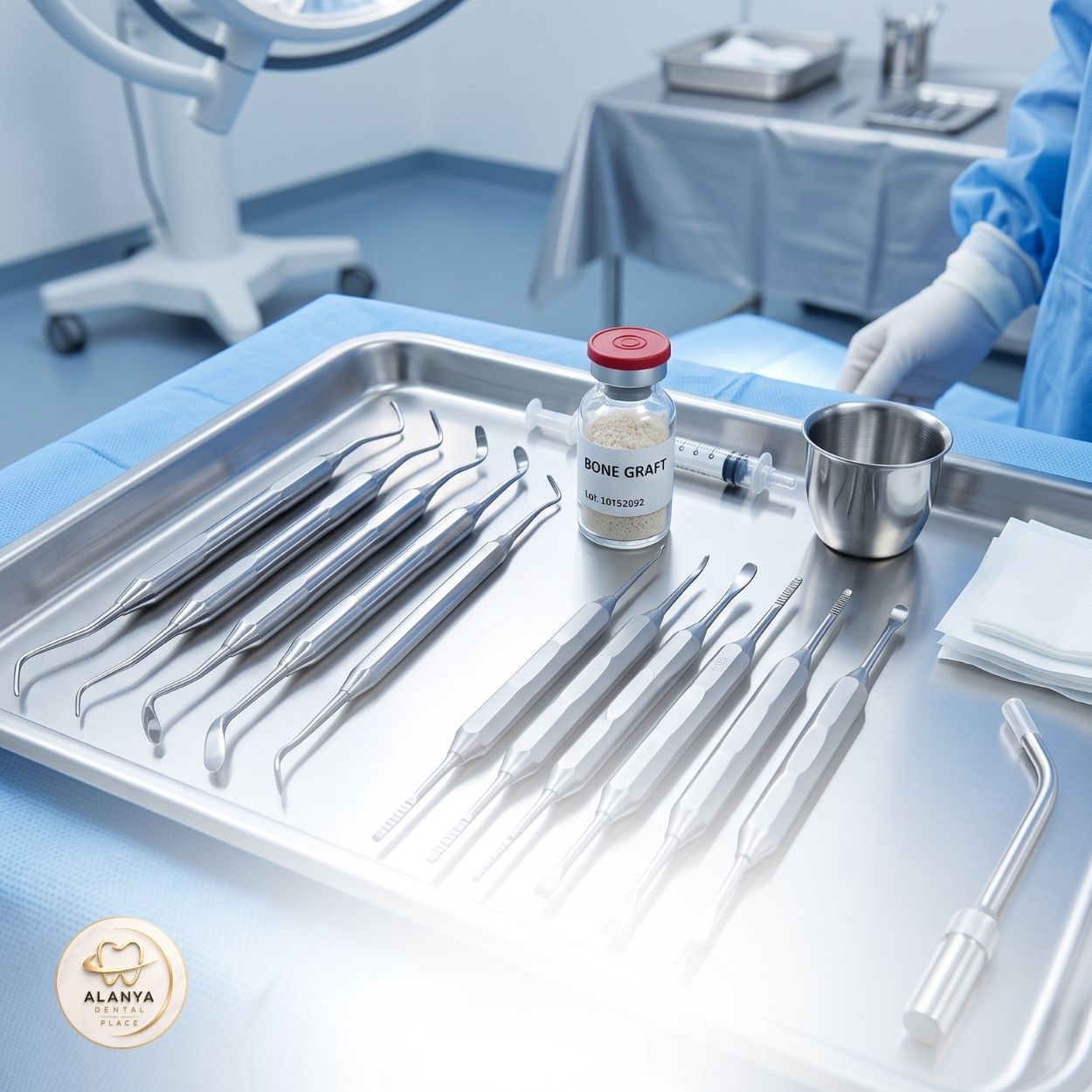
The quality of the graft directly affects the long-term success of a sinus lift. The materials we use at our clinic:
Graft Type | Features & Indications for Use |
|---|---|
Autogenous Bone Graft | Bone harvested from the patient’s own body (jaw, hip, skull). The gold standard; highest osteoinductive potential. Requires a donor site. |
Xenograft (Bio-Oss®, etc.) | Animal-derived (cow/horse) calcified bone matrix. The most commonly used; provides excellent long-term volume retention. |
Allograft (Cadaveric) | Processed human bone bank graft. As effective as an autologous graft; does not require a donor site. |
Synthetic (Alloplastic) | Calcium phosphate, beta-TCP-based ceramics. Zero risk of infection; the integration period is somewhat longer. |
PRF (Platelet-Rich Fibrin) | A fibrin matrix derived from the patient’s blood. It accelerates healing through growth factors and is typically used in combination with other grafts. |
Recovery After a Sinus Lift
The First 72 Hours
Weeks 1–2





Cost of a Sinus Lift in Turkey
Even excluding the cost of the clinical evaluation and graft material, the cost of a sinus lift in Europe remains quite high. In Turkey, however, the price of a sinus lift is 40–60% more affordable, despite using the same technology, the same brands of materials, and specialists with equivalent qualifications. Alanya’s competitive clinical market makes this difference even more pronounced.
Why Choose Sinus Lift Surgery in Alanya & Antalya? What Sets Our Clinic Apart
Frequently Asked Questions — Sinus Lift
Questions About Treatment
Is a sinus lift a painful procedure?
Since the procedure is performed under local anesthesia, you will not feel any pain during the surgery. You may experience mild tenderness and swelling for 2–4 days afterward; the prescribed pain relievers will help you manage this period with ease. The vast majority of our patients report returning to their daily routines the very next day.
Can an implant be placed at the same time as a sinus lift?
Yes, if primary bone stability is sufficient (typically with available bone height ≥ 5 mm), the implant can be placed during the same session. This “simultaneous protocol” significantly shortens the total treatment time. If bone height is less than 4 mm, a bone graft is performed first, followed by implant placement 4–6 months later.
I'm visiting from abroad; how many days should I spend in Alanya?
For an open sinus lift, 2–3 days are sufficient for the initial visit. The surgery day (approximately 1.5–2 hours) plus 1 follow-up visit. For the next phase (implant), a visit of about 1 week is scheduled 4–6 months later. If the closed technique plus simultaneous implant is chosen, the total duration of the first visit remains the same, but the second phase is skipped; you will return only for the crown after healing.
Is a sinus lift permanent? Does it need to be repeated regularly?
When performed correctly and with proper healing, a sinus lift is permanent. Once the graft material has fused with the natural bone, the implant placed on top is designed to function for a lifetime. It does not require repeat procedures.
What happens if a sinus lift fails?
If graft maturation is incomplete (a rare occurrence), the area can be cleaned and a new graft placed. Since high-quality CE/FDA-approved materials, PRF support, and the piezo technique minimize the risk of failure, the revision rate at our clinic remains below 2%.
I smoke; can I have a sinus lift procedure?
Smoking is the most significant risk factor that negatively affects graft healing and the osseointegration process of dental implants. Patients must quit smoking at least 2 weeks before and at least 4 weeks after the procedure. In patients who meet this requirement, the success rate is comparable to that of non-smokers.
I have diabetes. Can I have a sinus lift?
A sinus lift can be performed if the HbA1c level is below 7.5 and diabetes is well-controlled. Uncontrolled diabetes delays surgical healing and increases the risk of infection. We may request a consultation with an internist during the preoperative evaluation.
What is the best bone graft for a sinus lift?
In the scientific literature, the “best” graft material varies depending on the case. Autogenous bone is the gold standard in terms of osteoinductive potential; however, it requires a donor site. Xenograft (Bio-Oss®), on the other hand, is the most commonly used material in our clinic due to its long-term volume stability. Combining it with PRF accelerates healing in nearly every case.
Can I get a preliminary evaluation just by sending an X-ray?
Yes. You can share your existing panoramic or CBCT images via WhatsApp or email. Our specialist surgeon will measure your bone height within 24 hours and provide you with the appropriate method and an estimated treatment plan. A CBCT scan at our clinic is required for a precise quote; however, your existing images are sufficient for an initial evaluation.
How much more affordable is a sinus lift in Turkey compared to Europe?
When compared to other countries using the same materials and with the same team of specialists, costs in Turkey are 40–60% lower than in Germany, the United Kingdom, and the Netherlands. This difference stems from labor costs, general clinic overhead, and exchange rates—not from a compromise in quality. The combination of vacation and treatment in Alanya and Antalya makes this advantage even more significant.
Sources
This content has been prepared based on the following current academic and clinical sources:
◈ Tatum H Jr. Maxillary and sinus implant reconstructions. Dental Clinics of North America. 1986;30(2):207-229. [The seminal article that launched the literature on sinus lifts]
◈ Boyne PJ, James RA. Grafting of the maxillary sinus floor with autogenous marrow and bone. Journal of Oral Surgery. 1980;38(8):613-616.
◈ Summers RB. A new concept in maxillary implant surgery: the osteotome technique. Compendium. 1994;15(2):152-162. [The source in which the closed technique is defined]
◈ Wallace SS, Froum SJ. Effect of maxillary sinus augmentation on the survival of endosseous dental implants. Annals of Periodontology. 2003;8(1):328-343.
◈ Del Fabbro M, et al. Systematic review of survival rates for implants placed in the grafted maxillary sinus. Int J Periodontics Restorative Dent. 2004;24(6):565-577.
◈ Emmerich D, Att W, Stappert C. Sinus floor elevation using osteotomes: a systematic review and meta-analysis. J Periodontol. 2005;76(8):1237-1251.
◈ Türk Oral ve Maksillofasiyal Cerrahi Derneği (TOMCD). Clinical Guide to Sinus Augmentation, 2022. www.tomcd.org.tr
◈ Choukroun J, et al. Platelet-rich fibrin (PRF): A second-generation platelet concentrate. Part IV: Clinical effects on tissue healing. Oral Surg Oral Med Oral Pathol. 2006;101(3):e56-e60.
◈ Esposito M, et al. Interventions for replacing missing teeth: augmentation procedures of the maxillary sinus. Cochrane Database Syst Rev. 2014;(5).
◈ Ministry of Health of the Republic of Turkey — Standards for Oral and Dental Health Services, 2023.
Do you have any other questions?