Cosmetic Dentistry in Antalya: We Redesign Your Smile

Discolouration of the teeth that has developed over the years, chipped or misshapen teeth, or an asymmetrical smile line — none of these need to be permanent. Thanks to the combination of advanced materials science and digital design technology, cosmetic dentistry now delivers results that are not only aesthetically pleasing but also functionally excellent.

At our clinics in Antalya and Alanya, our internationally trained specialists create personalised treatment plans based on each patient's facial features, dental anatomy and aesthetic goals.

Free Digital Smile Analysis — Send Your Photo via WhatsApp
Get Your Personalised Treatment Plan Within 24 Hours
Make Sure Everything Is Ready Before You Come to Turkey
Image link
Recommended by over 10,000 patients
⭐⭐⭐⭐⭐ 4.9/5 (over 4,800 reviews)

Why Choose Cosmetic Dentistry in Turkey?

Over the past decade, Turkey has become one of the fastest-growing dental tourism destinations in the world. There are several key reasons behind this:

Location Advantage
Antalya is strategically located, with direct flights available from all over Europe, making it easy to combine a holiday with medical treatment.
Value for Money
Compared with many countries in Europe, cosmetic dental treatment in Turkey can be significantly more affordable while maintaining high clinical standards and using internationally recognised materials. By using materials and technology that meet European standards.
Technology Infrastructure
Advanced technologies such as CAD/CAM systems, 3D dental scanners, digital occlusion analysis devices and CEREC have now become standard equipment at leading clinics in Antalya and Alanya.
Team of Specialist Doctors
Many leading dental clinics in Turkey are staffed by experienced dentists who pursue continuous professional development and follow internationally recognised treatment standards.

What is Cosmetic Dentistry in Turkey?

Cosmetic dentistry is a specialised branch of modern dentistry aimed at improving the visual harmony of the teeth, gums and overall smile.

Going beyond traditional restoration, this specialism takes a holistic approach to colour correction, form improvement, dimensional harmony and the health of the tooth structure. The goal of cosmetic dentistry is to create smiles that not only look beautiful but also feel natural, function comfortably and provide long-lasting results.

Cosmetic dentistry is based on the following fundamental principles:

  • Facial harmony: The teeth should be designed to harmonise not only with each other, but also with the lips, nose and the oval shape of the face
  • Functional aesthetics: Achieving an aesthetic result whilst preserving occlusal forces
  • Minimally invasive approach: Preserving as much healthy tooth structure as possible
  • Use of biocompatible materials: Materials that are compatible with the body and do not cause allergic reactions

Free Quote

Would you like to get a free quote for cosmetic dentistry within 15 minutes?

Which Treatments Fall Under the Scope of Cosmetic Dentistry?

We have listed below all the treatments offered under cosmetic dentistry in Turkey. We also provide all of these treatments at our dental clinic in Alanya. Please feel free to contact us for a free consultation.

Digital Smile Design (DSD)

Digital Smile Design (DSD)

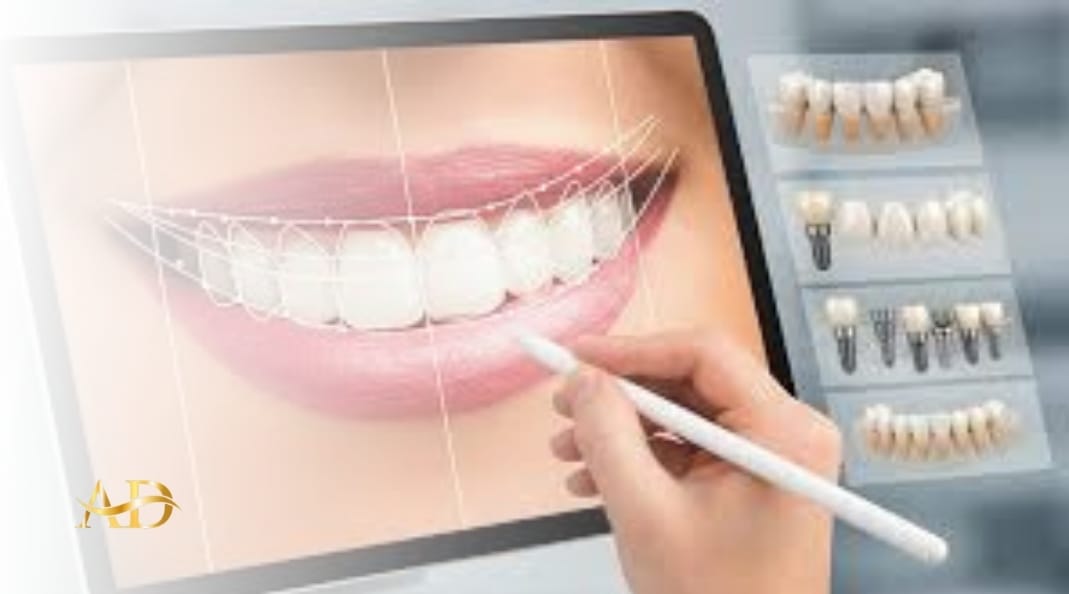
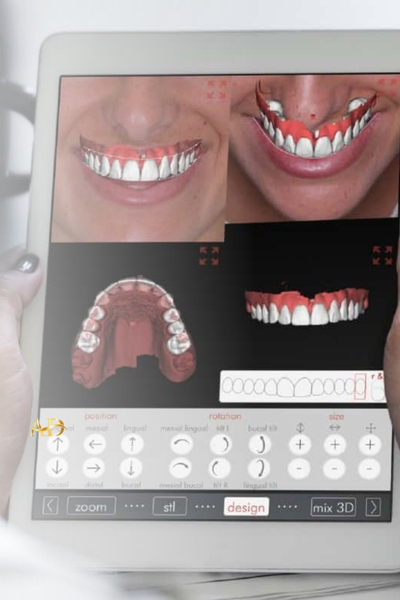
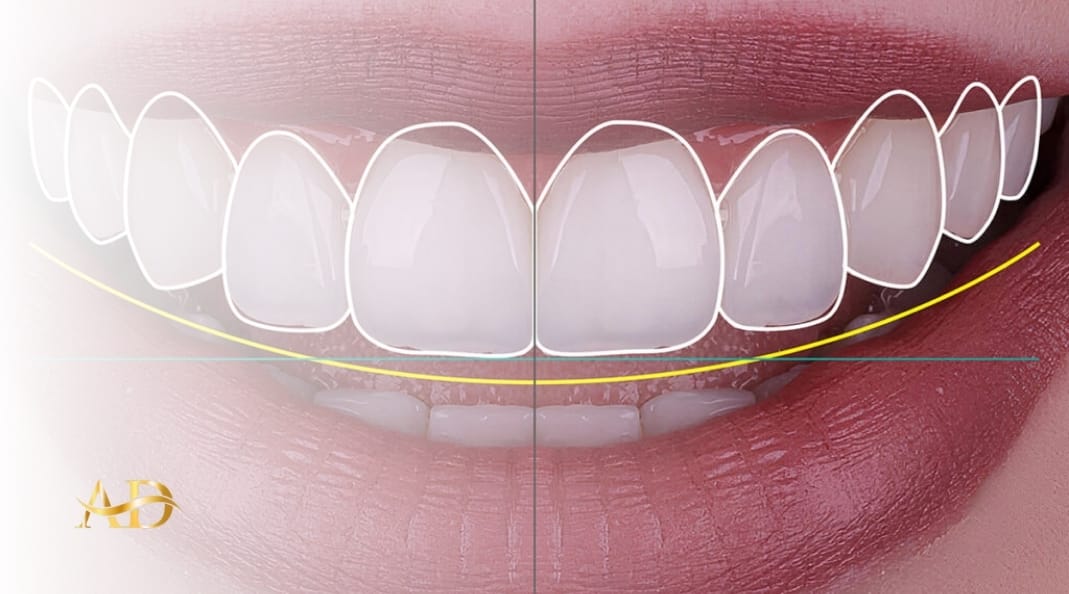
This marks the starting point of modern aesthetic dentistry. A digital simulation is created prior to treatment using specialised software to analyse facial photographs and video footage. The patient can clearly see what their teeth will look like before any work is carried out. At our clinic, every cosmetic treatment plan begins with the DSD protocol. This approach produces a personalised design by calculating facial symmetry, lip support, smile line height and tooth length ratios.

Porcelain Laminate Veneers

Porcelain veneers are thin porcelain shells, as thin as a fingernail (0.3–0.5 mm), which are bonded to the front surface of the tooth. This minimally invasive treatment requires little or no removal of healthy tooth structure while achieving a significant improvement in the appearance of the smile. Who are they suitable for? Teeth with discolouration (which cannot be corrected by whitening) Slight misalignment or crowding Chipped or worn teeth Diastema (gap between teeth) Abnormal tooth shape Advantages: Stain-resistant, natural tooth lustre, 10–15-year lifespan, minimal interference with tooth structure.
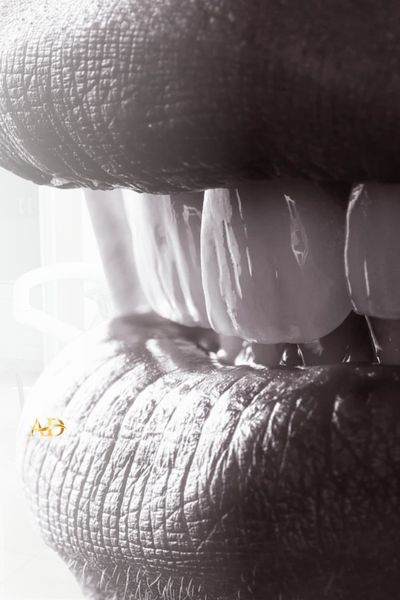
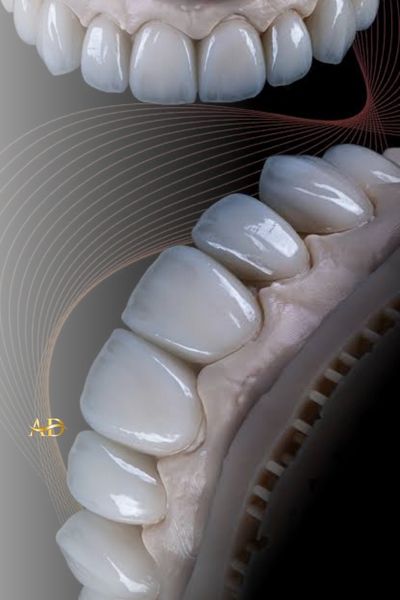
Porcelain Laminate Veneers
 E-Max Veneer (IPS e.max)

E-Max Veneer (IPS e.max)

E-Max, a premium-segment porcelain laminate, is one of the most aesthetically pleasing types of veneer produced using lithium disilicate glass-ceramic technology. It is manufactured with high precision by milling using CAD/CAM systems. Its exceptional translucency closely mimics natural tooth enamel, making it one of the most aesthetic ceramic materials available. It is unrivalled in terms of aesthetics. It is the gold standard for anterior restorations. Advantages of E-Max: Natural tooth translucency Superior aesthetic integration High flexural strength (~400 MPa) Biocompatible structure.

Zirconia Crowns

Zirconium dioxide is the material with the highest fracture resistance of all ceramic systems. It offers a stronger alternative to E-Max for crowns on posterior teeth or for extensive restorations. The difference between monolithic zirconium and layered zirconium is that the former is more durable, whilst the latter is more aesthetic. Modern full-contour zirconia technology now produces extremely successful aesthetic results in the anterior region as well. Who is it suitable for? Those who experience strong bite pressure (those who grind their teeth at night) Those with an allergy to metal alloys Long crowns and bridge restorations Posterior tooth veneers
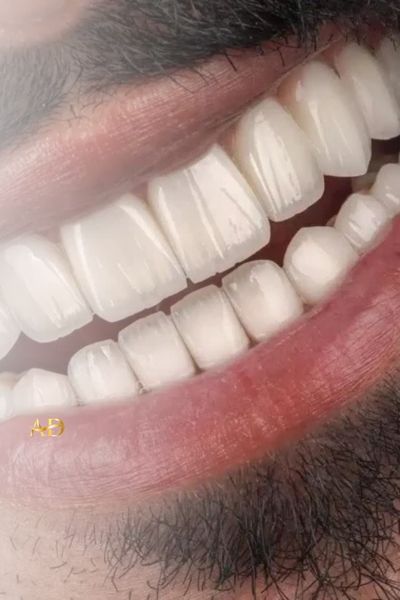
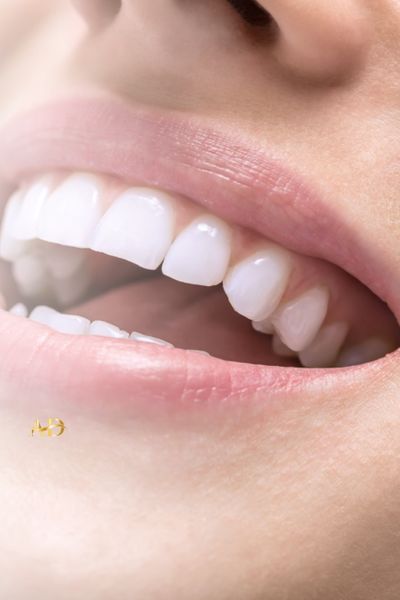
Zirconia Crowns
Composite Bonding

Composite Bonding

This is a minimally invasive procedure carried out by applying a composite resin material, which closely matches the colour of the tooth, directly to the tooth. It can be completed in a single session. It offers a cost-effective and quick solution for small fractures, cracks, discolouration and minor gaps. However, compared to porcelain options, it has lower wear resistance and may require replacement over time.

Teeth Whitening (Bleaching)

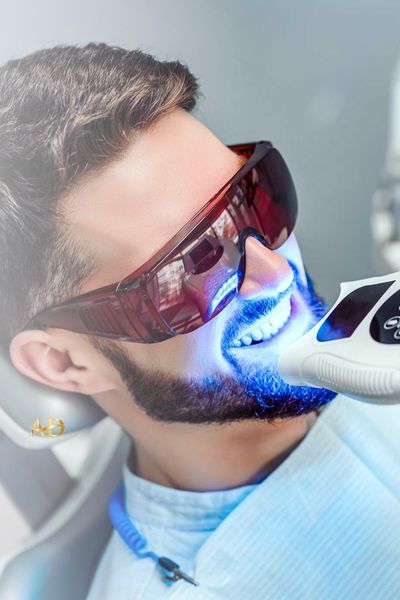
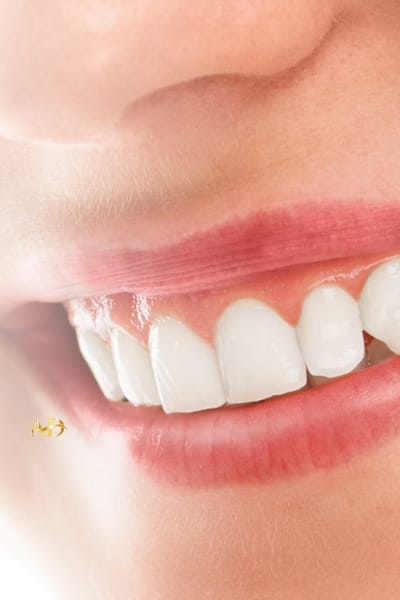
Professional teeth whitening in a clinical setting offers much faster and longer-lasting results compared to over-the-counter products. Two main methods are used: In-clinic bleaching: A clinic session involving a strong gel plus LED/laser activation, achieving 6–8 shades of whitening in a single session. At-home bleaching: A custom-made intraoral tray plus at-home gel, with results achieved over a 10–14-day period. Note: Teeth whitening is effective only on natural tooth structure; it does not whiten teeth with veneers, crowns or fillings.
Teeth Whitening (Bleaching)
Gum Aesthetics (Gingival Aesthetics)

Gum Aesthetics (Gingival Aesthetics)

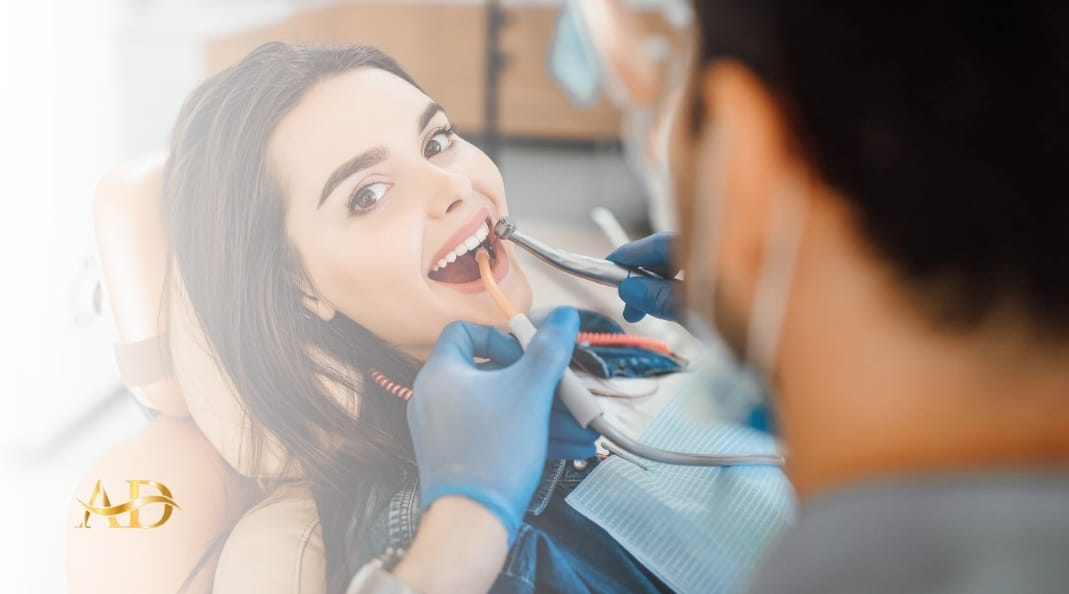
For a beautiful smile, it is not just the teeth but also the shape and symmetry of the gums that are of critical importance. Gum aesthetics encompasses the following procedures: Gingival contouring: Gum symmetry is achieved using laser or surgical methods Crown lengthening: Correction of a ‘gummy smile’ (excessive gum display) Gum depigmentation: Gum discolouration caused by genetic factors or smoking The gum-to-tooth ratio is referred to as ‘pink aesthetics’ in aesthetic smile analysis and is an integral part of a successful smile design.
Contents

Get Your Free Smile Assessment and Personalised Quote

The Treatment Processes in Cosmetic Dentistry

You send your photos via WhatsApp. Our specialist coordinator and team of doctors will carry out an initial assessment within 24 hours and share the possible treatment options and estimated price range with you.

When you arrive at the clinic, we take a precise digital scan of your teeth using our 3D scanner. We then carry out X-rays, a panoramic scan and a facial analysis. You will discuss the treatment plan in detail with the dentist.

Your smile simulation, designed using DSD software, is displayed on screen. The design is revised in line with your preferences. Once you have given your approval, the process moves on to the laboratory stage.

Temporary veneers or crowns produced using CAD/CAM are fitted. You can think of this as a ‘preview’: you get to experience first-hand what your smile will actually look like.

Your moulds are sent to our laboratory, which is equipped with the latest milling technology. Your restorations, milled from E-Max or zirconia blocks using CNC technology, are then finished by hand through painting and firing.

Temporary restorations are fitted, and the final veneers are placed using a precise bonding protocol. Occlusion is checked and the teeth are polished. You’re getting your smile back.

Once you have returned to your home country, we will answer any questions you may have via our digital channels. With our annual remote monitoring service, we guarantee long-term success.

Why Should You Choose Us?

Advantage
Explanation
Experienced Dentists Following International Standards
Experts who have completed master’s degree and certificate programmes
CAD/CAM Technology
Digital design, milling and 3D scanning
Treatment Warranty
Warranty on materials and workmanship, right to rectification
24/7 Contact
WhatsApp, email and coordinator support
Transparent Pricing
No hidden costs, the package price is clear
Language Support
Coordinators for English, German, Russian, Ukrainian, French and Turkish
Location
A centrally located clinic in Antalya and Alanya, with easy flight connections
Medical Hygiene Standards
International sterilisation protocols

Special Guide for International Patients

Every year, thousands of international patients come to Antalya and Alanya for cosmetic dental treatment. We make this process as hassle-free as possible for you.

Before Coming to Turkey:

Digital pre-assessment via WhatsApp
Personalised treatment plan and cost estimate
List of flight and accommodation recommendations
Information on patients’ legal rights in Turkey

When you arrive in Antalya or Alanya:

Airport transfer service available on request
Clinic tour and meeting with the doctor
Interpreting services (English, German, Russian, Ukrainian, French)
Accommodation recommendations (by the sea, by location)

During Treatment:

A comfortable, stress-free clinical environment
Pain-free treatment protocols (with sedation where necessary)
Daily treatment progress updates

After Returning to Your Country:

Post-digital monitoring
Emergency consultancy
Annual remote follow-up

Prices for Cosmetic Dentistry in Turkey

Treatment
🇩🇪 Germany
🏴󠁧󠁢󠁥󠁮󠁧󠁿 England
🇹🇷 Turkey
Dental Crowns
€800–1.400
£700–1.200
€150–350
Zirconium dental crowns
€700–1.200
£600–1.000
€140–280
Smile Design (10 teeth)
€8.000–15.000
£7.000–13.000
€2.000–5.000
Teeth Whitening
€300–600
£250–500
€80–200

Prices are for guidance only; personalised pricing is provided following an examination.

Trusted by Thousands of Patients

Image
Image
Image link
Image link

Get a Free Quote Right Now!

Frequently Asked Questions

Frequently asked questions about cosmetic dentistry.

Most modern cosmetic dental treatments are minimally invasive and involve little to no discomfort. Local anaesthesia is used as standard for veneer and crown procedures. Advanced computer-assisted anaesthesia systems can also help minimise discomfort during the injection. Some procedures, such as bonding, do not require anaesthesia. Mild sensitivity may occur for a few days after treatment and can usually be managed with over-the-counter pain relief if needed. For patients who feel anxious despite the anaesthesia, a comfort sedation option is also available.

As the application of porcelain veneers requires the removal of a very thin layer (0.3–0.5 mm) from the front surface of the tooth, it is an irreversible procedure. For this reason, we recommend that you use digital simulation before making a decision so that you can clearly visualise your future appearance. Porcelain veneers are designed to remain securely bonded to the teeth. However, if a veneer becomes damaged or debonds, it can usually be replaced. Although a ‘no-prep’ (no cutting required) veneer option is available, it is not suitable for every tooth; this should be determined following a consultation with your dentist.

A veneer is a thin porcelain or ceramic shell that covers only the front surface of a tooth. A zirconia crown, on the other hand, completely encases the tooth, creating a much stronger structure. For aesthetic reasons, E.max veneers are often recommended for front teeth as they offer greater light transmission. Zirconia is preferred for back teeth and for patients who suffer from teeth grinding (bruxism). The correct choice is determined by the dentist based on the tooth’s position, the existing tooth structure and the patient’s habits.

Treatment time depends on the type and complexity of the procedure, a standard smile design (10–12 veneers) is typically completed within 5–7 working days. This process consists of the following stages: consultation and scanning (day 1),temporary restorations(day 2), llaboratory fabrication of your final restorations (days 3–5), and final application (day 6 or 7). In the case of single-session bonding treatments, however, the treatment can be completed on the same day.

Our international patient coordinators speak English, German, Russian and Ukrainian who speak English, German, Russian and Ukrainian. Our team of doctors is able to communicate in English. From your initial consultation and treatment planning to accommodation, airport transfers and aftercare, our team provides support in your preferred language whenever possible.

Veneers and crowns require regular dental care: brushing twice a day with a soft-bristled toothbrush, using an antibacterial mouthwash and flossing. You should avoid biting into very hard foods (ice, nuts, bones) and smoking. A check-up with your dentist is recommended at least once a year. A night guard is strongly recommended for patients diagnosed with bruxism. Under these conditions, porcelain laminates can function without problems for up to 15 years, whilst zirconium crowns can last for up to 20 years.

Dental training in Turkey is based on a five-year undergraduate programme; specialist training, however, requires additional years. Many dental clinics in Turkey comply with the ISO 9001 quality management standard and international sterilisation protocols. The E-Max and zirconium materials used are CE-certified and manufactured in Europe. Furthermore, the Turkish Dental Association (TDB) and the Turkish Ministry of Health carry out regular inspections of clinics. Choosing a certified, registered and recommended clinic is the most important safety measure.

The clinic you choose should provide a written guarantee and a revision policy. Our clinic offers remote digital assessments for any fit or aesthetic issues that arise after treatment is completed, and a plan for physical revision where necessary. Every patient’s file is stored digitally; should you experience any problems in your home country, you will be provided with all the technical documentation to share with your local dentist.

Veneers and crowns are suitable for patients aged 18 and over, once tooth development is complete. There is no upper age limit; they are also successfully applied to patients aged 60–70. The key factor is that the patient’s dental and gum health is at an appropriate level. Any active gum disease, tooth decay or jaw problems must be treated first.

Slight misalignments can be corrected using veneers or bonding. However, if there is severe crowding, a malocclusion or skeletal problems, orthodontic treatment must be completed first or planned concurrently. The DSD protocol helps to ensure this decision is made correctly; the simulation clearly demonstrates the results that can be achieved either through a combination of orthodontics and veneers or with veneers alone.

Porcelain ceramics are materials with a hardness similar to that of natural teeth; they are extremely durable in everyday use. They may break if subjected to biting down on very hard objects, in the event of an accident, or due to teeth grinding (bruxism). A broken or cracked veneer cannot be repaired; it must be replaced with a new one. For this reason, treatment for bruxism and the use of a protective mouthguard are critical for long-term success.

Private health insurance policies in Turkey generally exclude cosmetic dental treatment from their cover. In some European countries, there are insurance plans that cover partial crowns. As an international patient, we recommend that you check the scope of your insurance cover in your home country before treatment. Our clinic provides an official invoice and treatment report to every patient.

A ‘Hollywood Smile’ refers to a comprehensive aesthetic transformation, typically applied to the front teeth (usually 8–12 teeth). This is not the name of a specific procedure, but rather a marketing term describing an aesthetic goal. Veneers are the primary treatment used in this transformation. A ‘Hollywood Smile’ may combine veneers, teeth whitening and gum contouring. The comprehensive package we offer at our clinic under the name ‘smile design’ or ‘smile makeover’ fulfils this transformation.

A gummy smile is when too much gum tissue is visible when smiling (3 mm or more of gum display). Causes include a short upper lip, excess gum tissue or skeletal factors. Treatment options include laser gingivectomy (gum reduction), crown lengthening or Botox injections. This treatment is often combined with veneers or crowns. The result is that the teeth appear longer and the smile looks more balanced.

Yes, and in recent years this has become a significant trend in medical tourism for Antalya and Alanya. As the treatment usually lasts 5–7 days, it can easily be combined with a holiday in Turkey. Our clinic can help you plan your treatment schedule to fit in with your holiday plans. We offer ‘clinic + accommodation + transfer’ packages for some international patients; please contact our coordinator for further details.

The removal of a small amount of tooth enamel during the veneer procedure may cause temporary sensitivity in some patients. This sensitivity usually subsides within 1–2 weeks. In the long term, teeth with veneers experience less sensitivity than preserved natural teeth. For patients who already have sensitivity or who have suffered enamel loss, no-prep or minimal-prep veneers may be considered.

Composite bonding can be completed in a single session and is more cost-effective. However, it has a shorter lifespan (5–7 years) and may discolour over time. Porcelain veneers, on the other hand, are more durable, offer much greater colour stability and retain their natural lustre. Whilst bonding may be suitable for small cracks, minor colour discrepancies and those seeking a temporary solution, porcelain veneers or E-Max are recommended for those aiming for a permanent aesthetic transformation.

When choosing the right clinic, consider the following criteria: the doctor’s specialist qualification and educational background, patient reviews of the clinic (on independent platforms such as Google, Trustpilot and RealSelf), CE certification for the materials used, a portfolio of before-and-after photographs, transparent pricing, warranty and revision policies, and 24/7 availability. If an initial consultation is offered free of charge, the overall quality of communication at the clinic can also be taken as an indicator.

As with all medical procedures, there are risks associated with cosmetic dental treatment: temporary sensitivity, rare allergic reactions, the long-term risk of breakage or cracking, and aesthetic dissatisfaction such as an incorrect choice of colour or shade. Factors that help minimise these risks include: an experienced dentist, the use of high-quality materials, proper treatment planning and effective patient-dentist communication. It is important to discuss all risks and expectations openly with your dentist before starting treatment.

Reputable clinics offer a fixed-term guarantee covering the materials used and the workmanship. This guarantee covers technical issues such as breakage, discolouration and poor fit. Damage resulting from physical trauma, teeth grinding (bruxism) or neglect is generally excluded from the guarantee. Our clinic issues a written guarantee certificate for every patient.

Do you have any other questions?

Get in touch with us

We usually reply straight away.

Send a message
Social Media