Full-Porcelain Crowns in Antalya, Turkey
Many patients who have experienced tooth loss or damage are looking for both durability and a natural appearance when restoring their smile. All-ceramic crowns (also known as full-porcelain or metal-free crowns) are one of the most preferred restorative solutions in modern dentistry, as they meet both these needs simultaneously. At Alanya Dental Place, we meticulously provide this treatment not only to our local patients in the Antalya and Alanya regions but also to our guests from the UK, Germany, Russia, the Nordic countries and the Gulf states.
On this page, we will discuss in detail what a full-ceramic crown is, the materials used to make it, the fitting process, the factors affecting its cost, the risks involved, how to care for it, and the advantages of undergoing this treatment in Alanya.
Would you like us to draw up a personalised plan for you regarding this treatment?
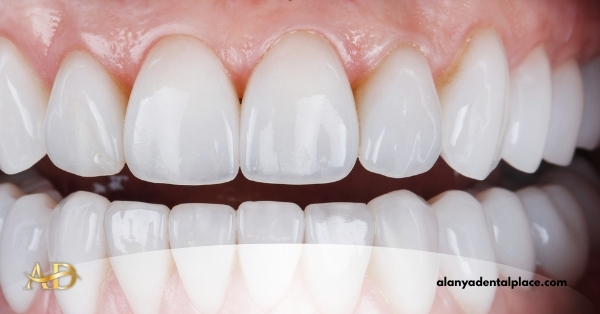
What is a full-ceramic crown in Turkey?
An all-ceramic crown is a type of restoration that completely covers a tooth that is damaged, decayed, fractured or considered aesthetically unsatisfactory, and contains no metal framework. The difference between these and traditional metal-supported porcelain crowns is their ability to transmit light in the same way as natural enamel; this property is defined in dentistry as ‘translucency’ and is of critical importance for patients seeking a natural appearance, particularly in the front teeth.
A crown is fitted to teeth that have undergone root canal treatment, have large fillings, or are cracked or worn, with the aim of restoring the tooth’s function and appearance. The dentist first assesses the tooth’s current structure, carries out root canal treatment or a post-and-core procedure if necessary, then prepares (shapes down) the tooth to fit the crown and takes an impression to send to the laboratory.
As it is metal-free, the characteristic dark grey line often seen at the gum line does not form; this offers benefits in terms of both aesthetics and gum health.
Types of All-Ceramic Crowns and Differences in Materials
There is no single ‘all-ceramic’ material; there are several groups of materials used for different indications:
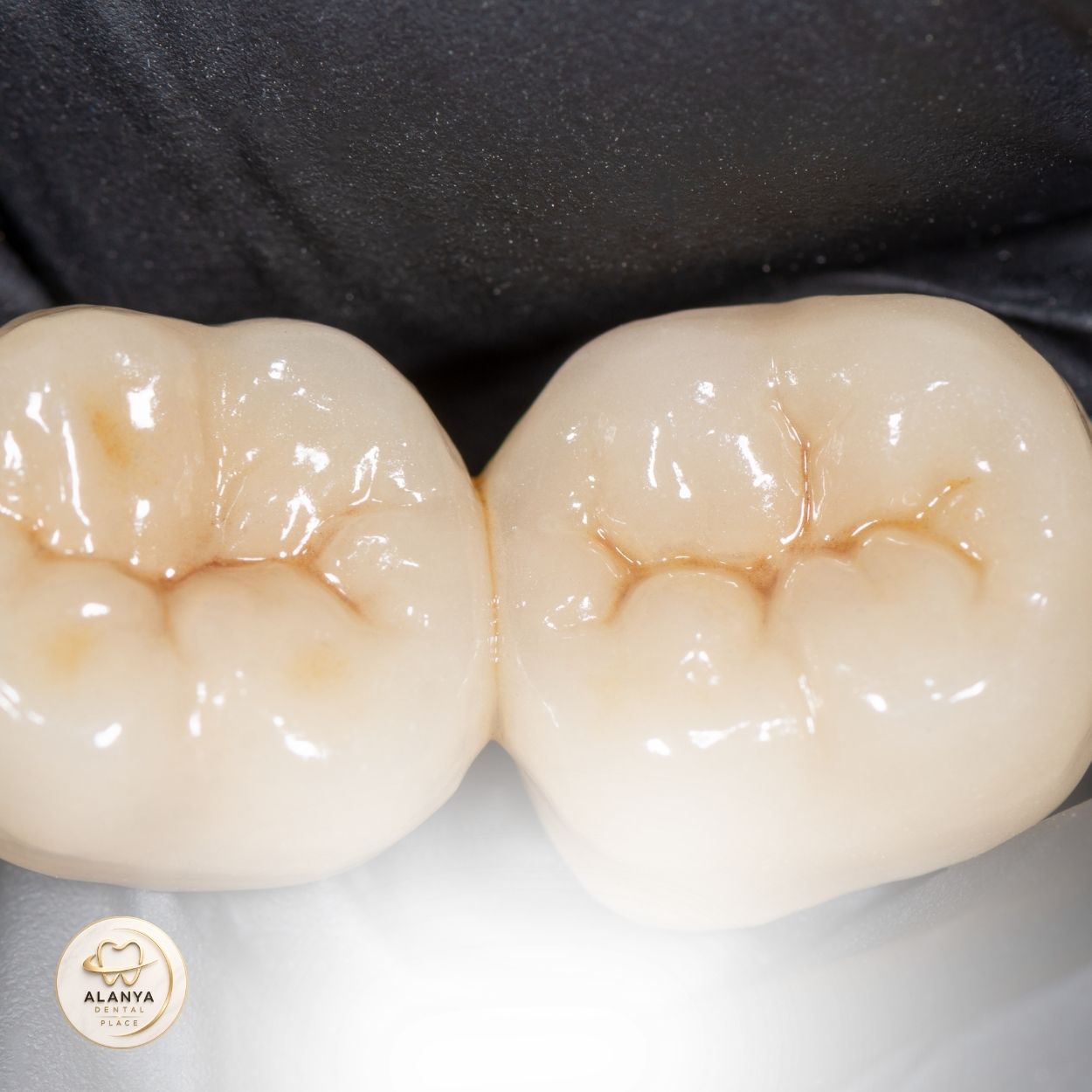
Lithium Disilicate (E.max) Crowns
Lithin-Reinforced Pressable Porcelain (Empress) Crowns
Monolithic Zirconia
High-Translucency Zirconia
Material
E.max (Lithium Disilicate)
Empress (Enriched with L-cysteine)
Monolithic Zirconia
High-Transparency Zirconia
Your dentist will decide which material is suitable for you following an oral examination. Would you like us to discuss the most suitable material for your case together?
Contents
The Treatment Process: A Step-by-Step Guide
Full-ceramic crown treatment is a multi-stage process that requires careful planning:
Your dentist will assess the condition of the tooth and surrounding tissues through an intraoral examination and, if necessary, X-rays or a CT scan. At this stage, a decision is made as to which material to use.
The tooth is reduced in size to make room for the crown. If the tooth is still vital, local anaesthesia is administered; the patient feels no pain during the procedure.
A digital scan or a traditional impression is taken of the prepared tooth. An acrylic temporary crown is fitted to protect the tooth until the laboratory process is complete.
The measurements are sent to the dental technician; the crown is produced using CAD/CAM technology. This process typically takes between 5 and 10 days.
When the crown is returned, the colour, shape and occlusion (bite) are checked; if found to be satisfactory, it is cemented in place using a permanent adhesive.
Who is Suitable for All-Ceramic Crown Treatment?
All-ceramic crowns are a solution frequently recommended in the following situations:
- Teeth that have become weakened following root canal treatment and are at risk of fracturing
- Teeth that have lost their structural integrity due to a large cavity or an extensive filling
- Broken, cracked or worn teeth
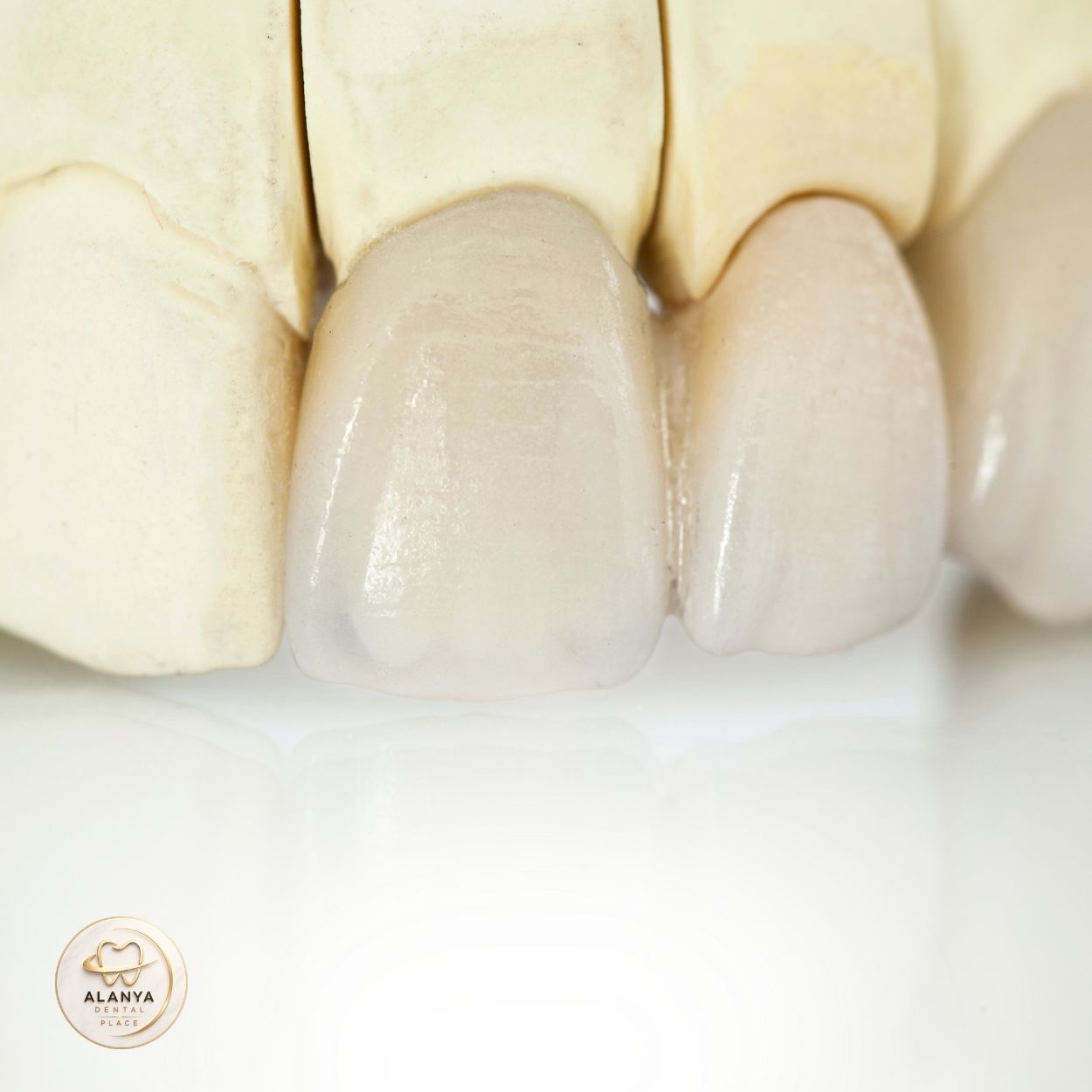
- Front teeth causing aesthetic concerns due to discolouration or irregular shape
- Patients requiring implant-supported prosthetic restorations
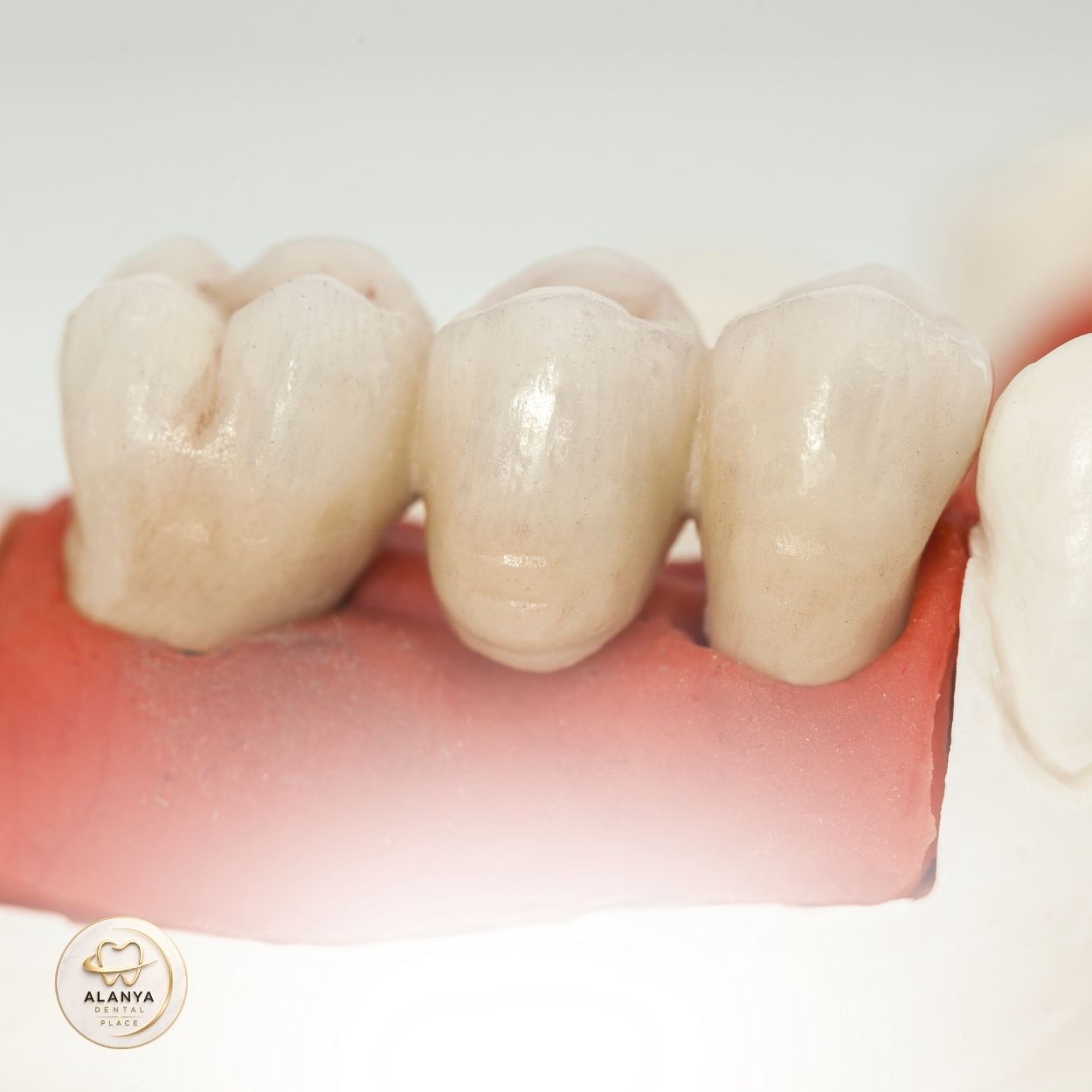
- Teeth to be used as abutment teeth in bridge treatment
In some cases where there is excessive crowding (complete occlusion) between the upper and lower teeth, the choice of material may vary; a detailed clinical examination is therefore essential. Please contact us to find out whether your teeth are suitable for this treatment.
Factors Affecting the Price of All-Ceramic Crowns in Turkey
The prices of all-ceramic crowns in Turkey are not a fixed figure; they vary depending on the following factors:
- Cost difference between the materials used: E.max, zirconia and Empress
- Number of teeth to be capped: Cases involving a single tooth and those involving multiple teeth are priced differently
- Additional treatment required: The total cost will vary if root canal treatment, gum treatment or a post and core are required
- Laboratory process and workmanship: Digital scanning, CAD/CAM production quality
- Medical experience and clinical infrastructure
According to the Turkish Dental Association’s current recommended price list, a reference fee has been set for metal-free all-ceramic crowns; however, this figure may vary from clinic to clinic and depending on the materials used. A precise price quote tailored to your specific needs can only be provided following a detailed examination; we therefore recommend that you contact us to receive a personalised treatment plan and price quote.
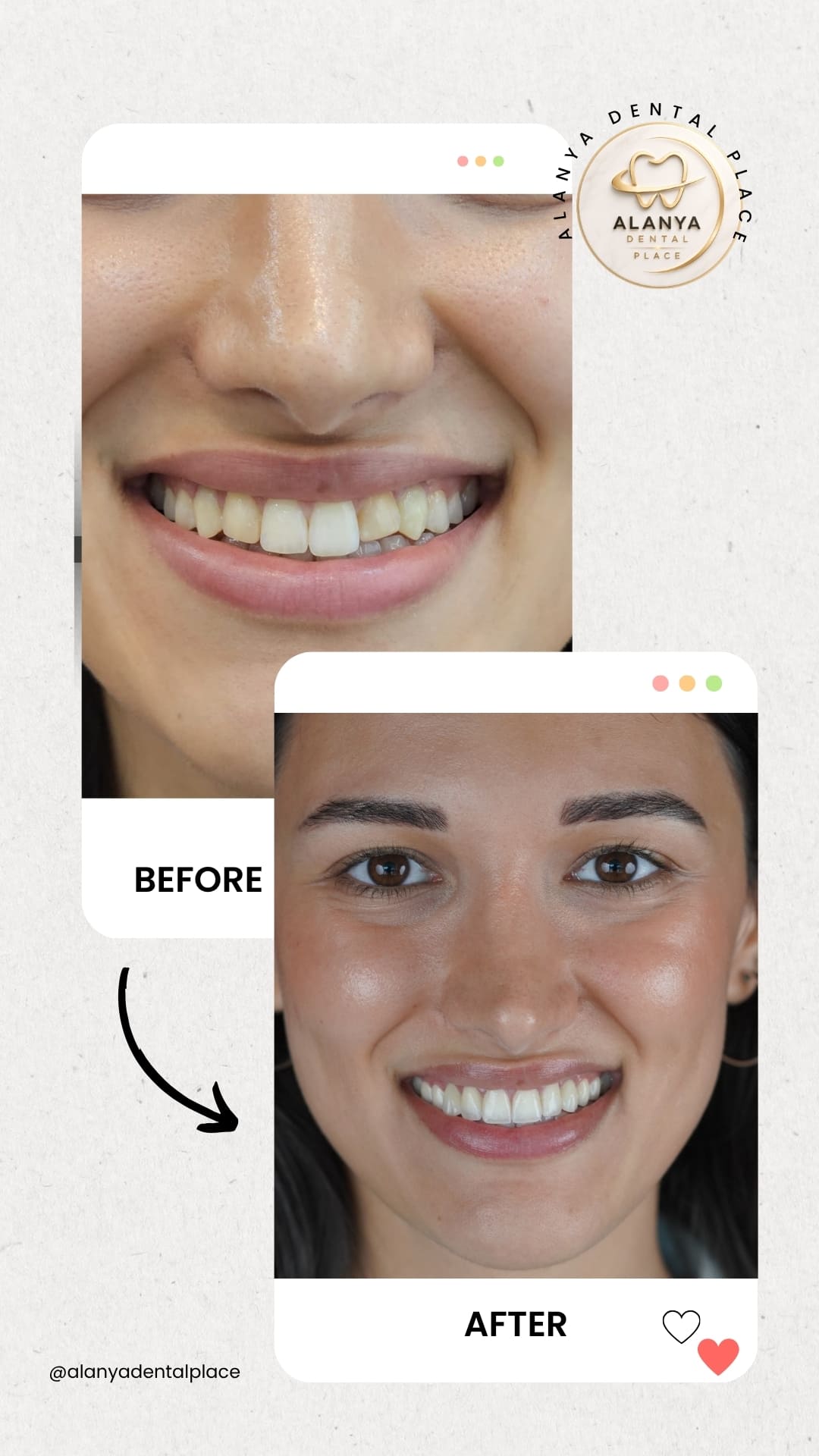
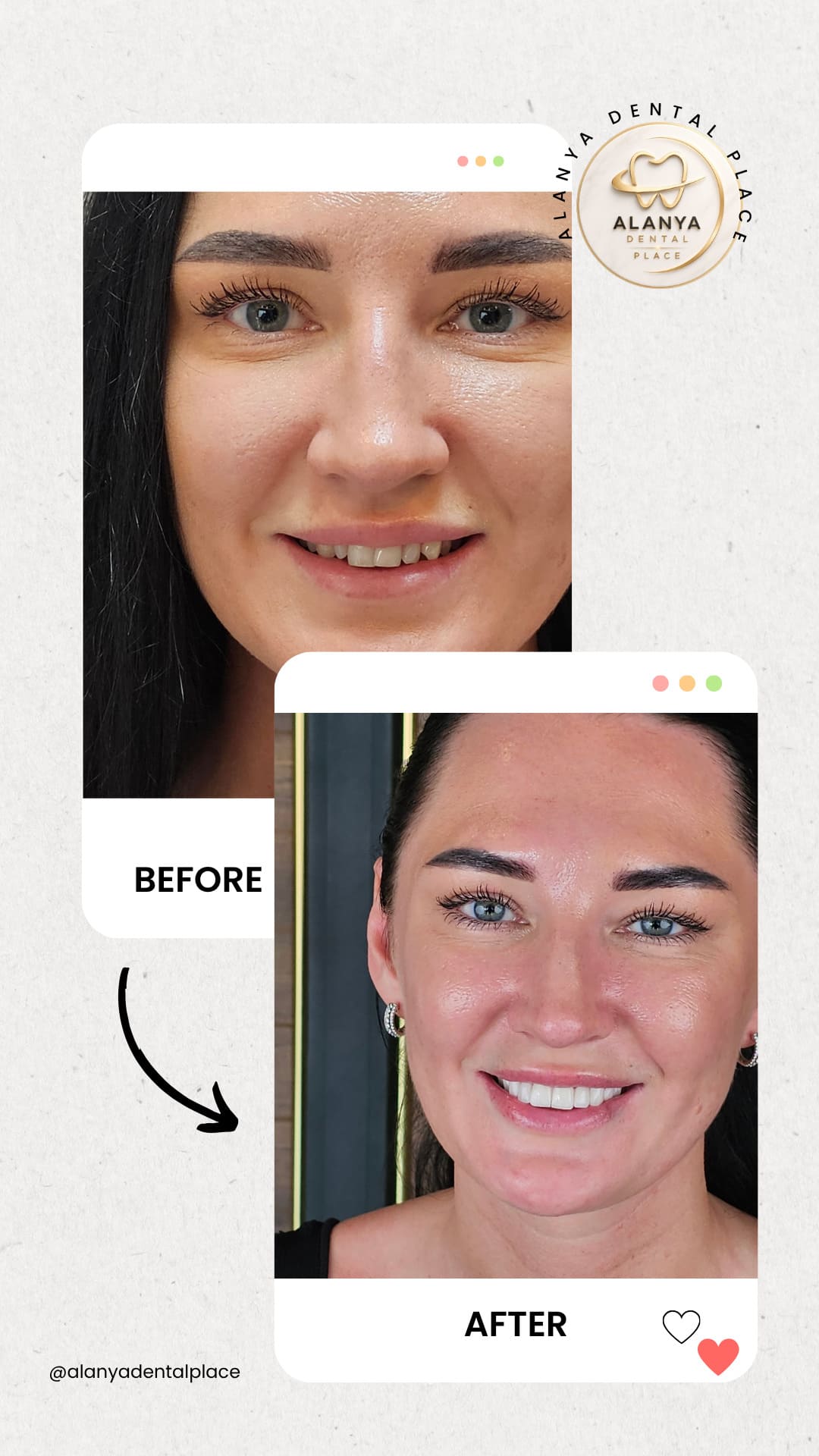
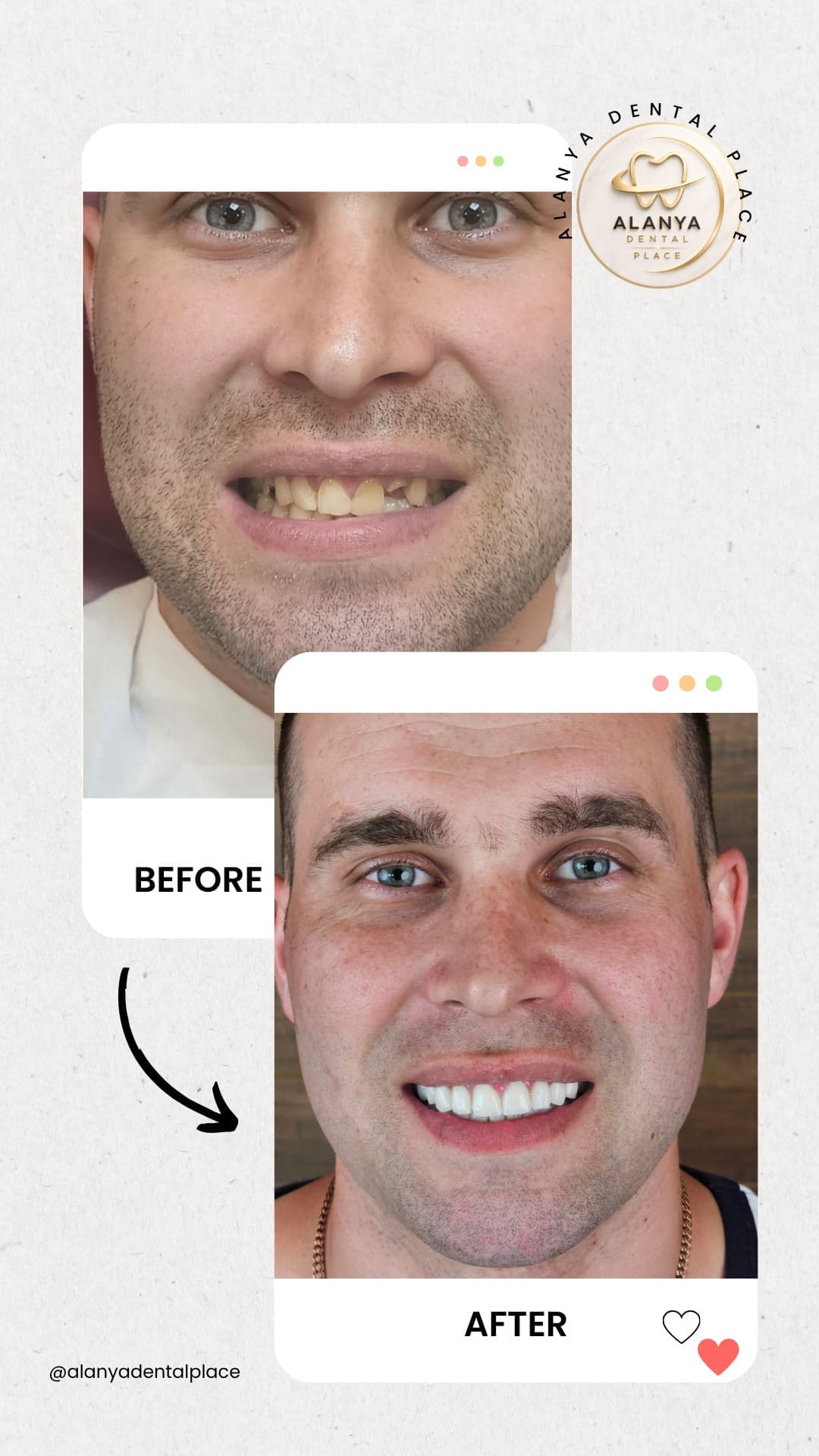
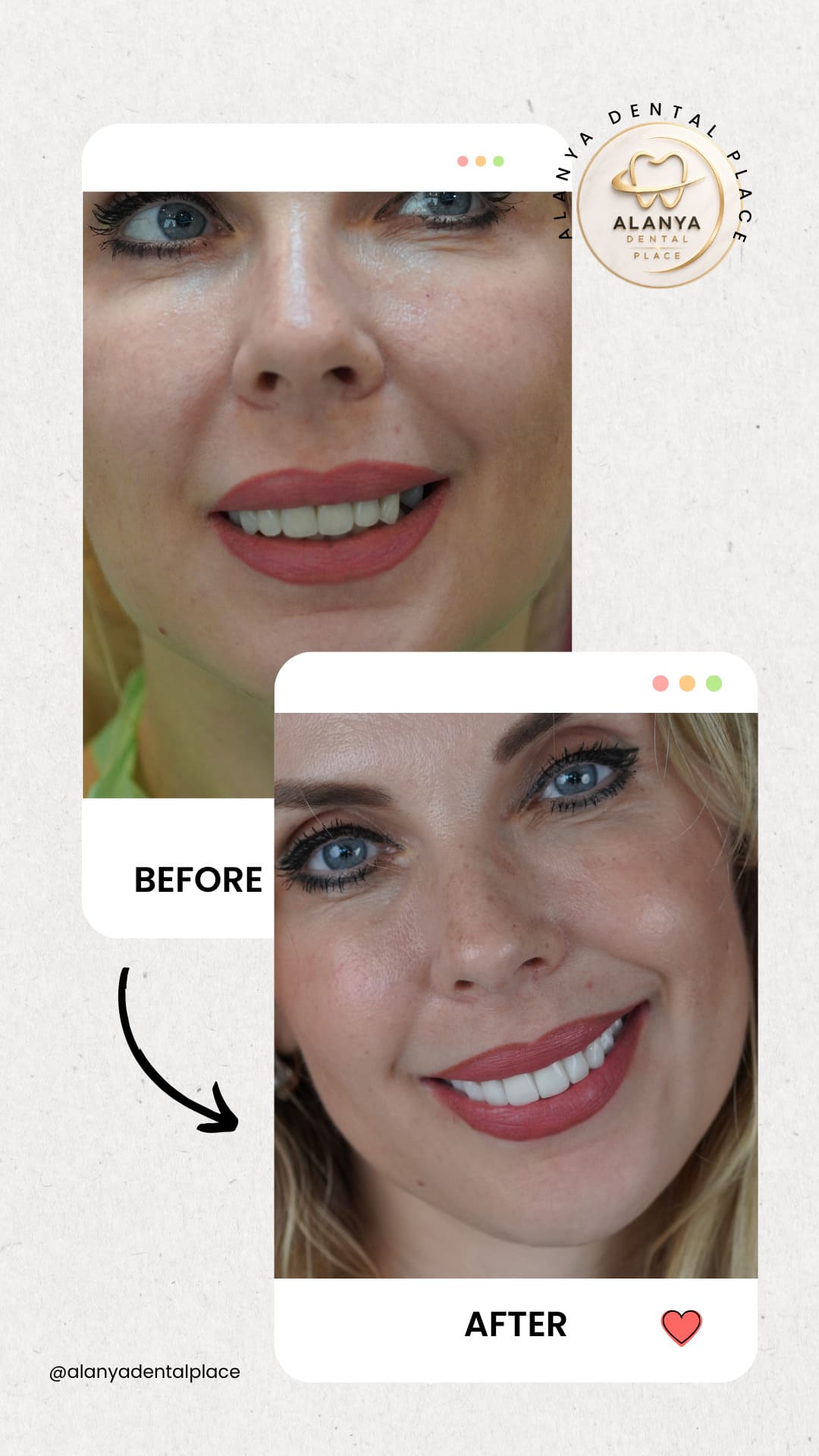
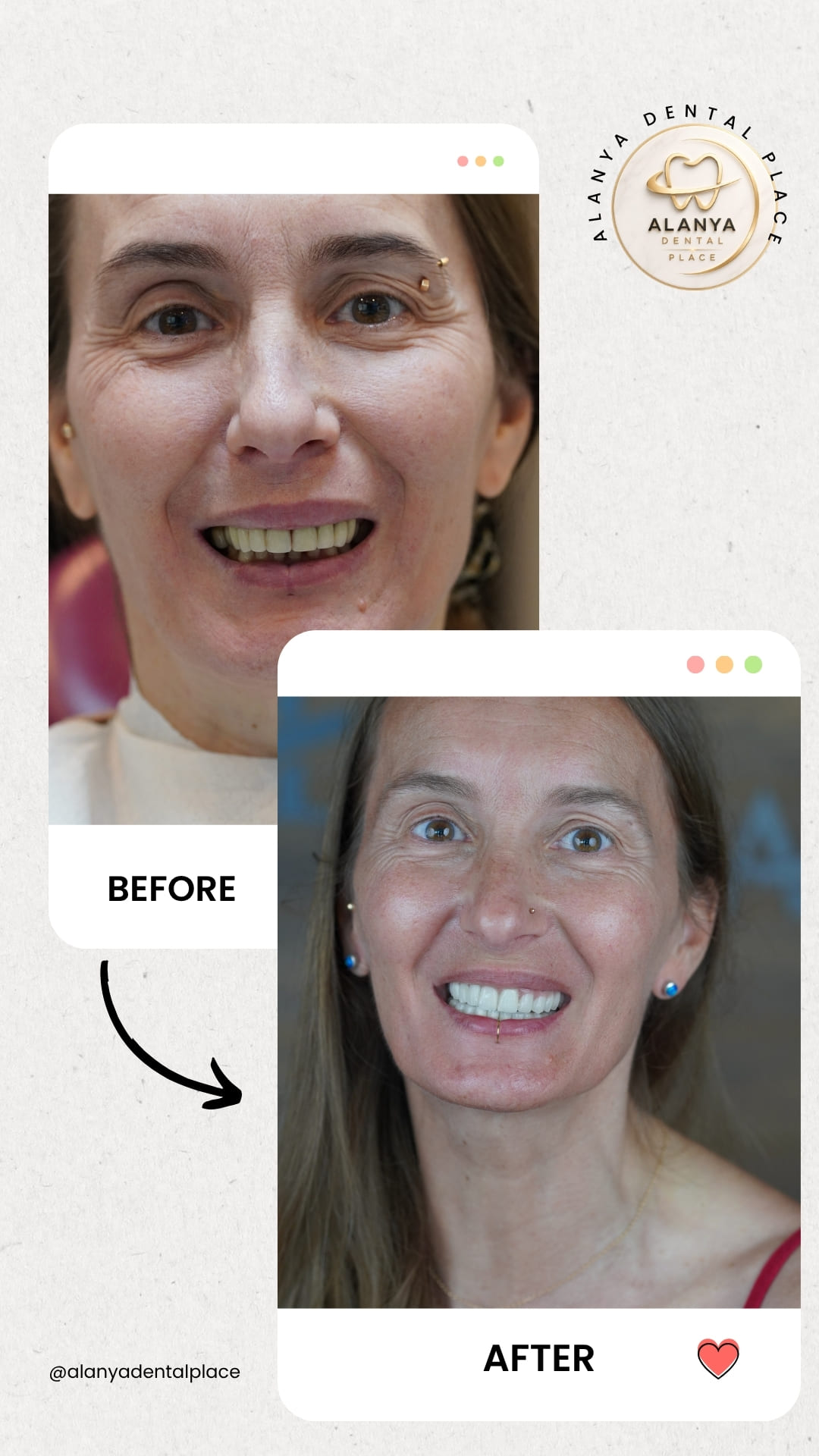
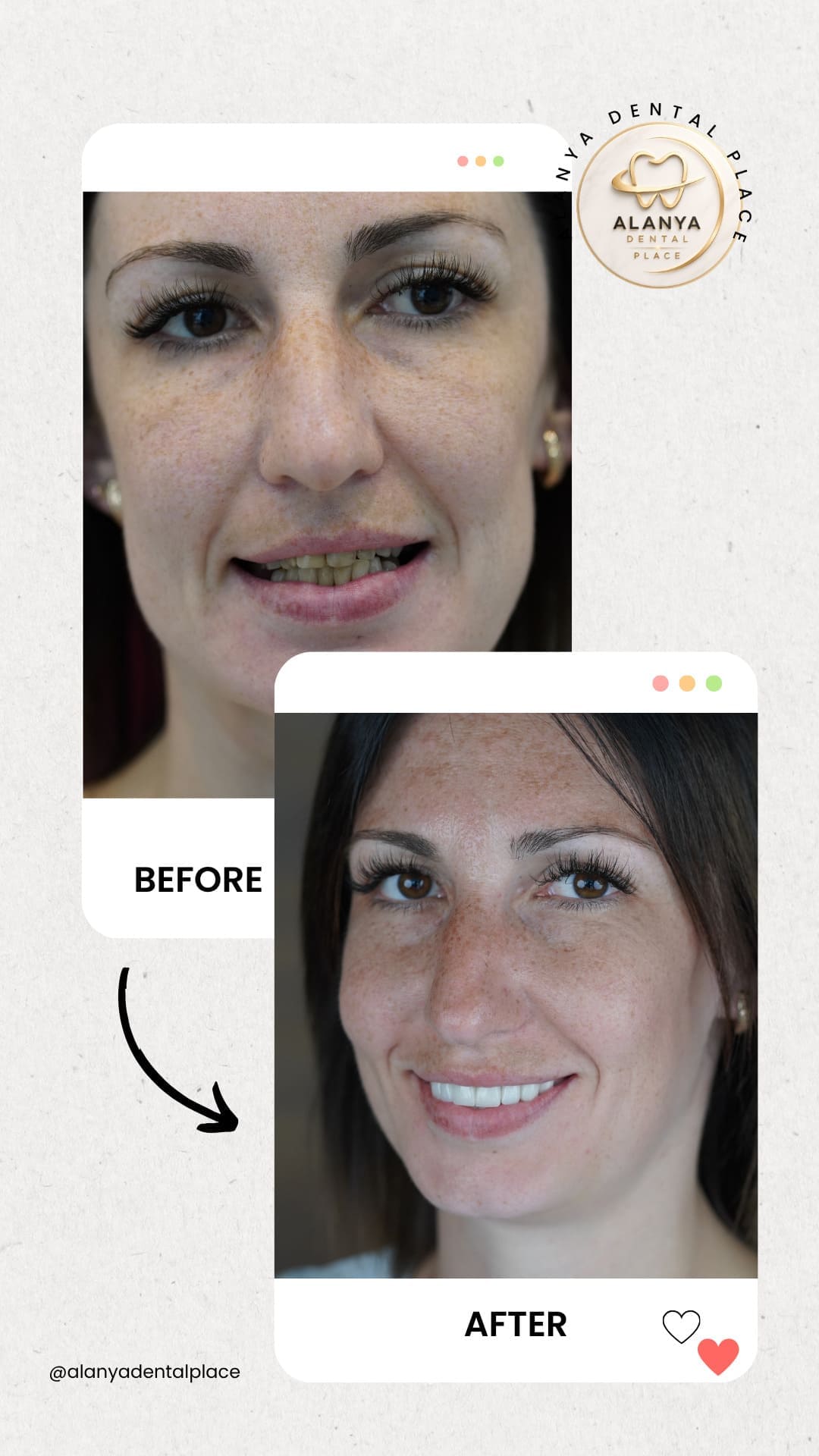
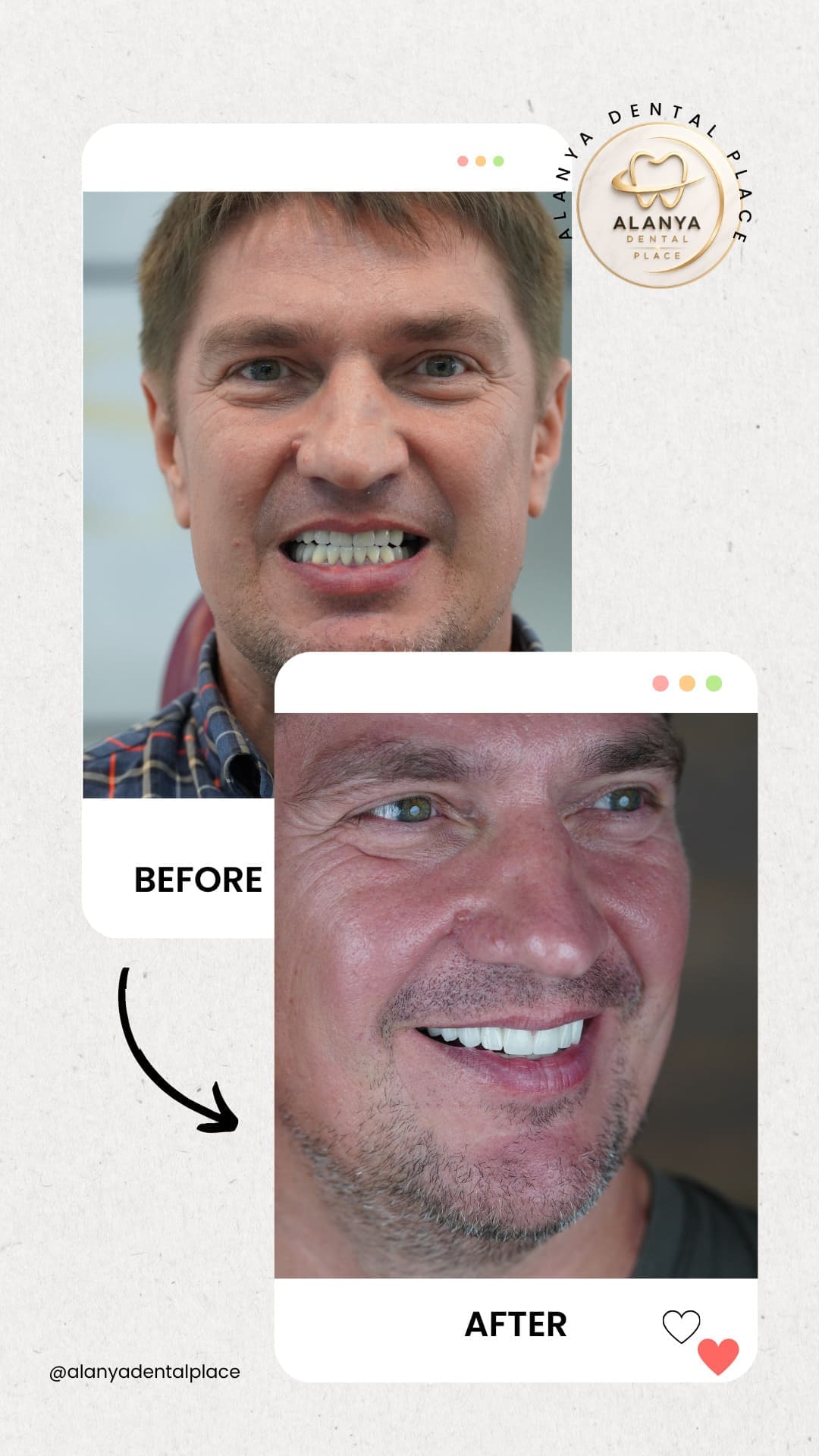
Before and After All-Ceramic Crown Treatment
High success rate and natural-looking results
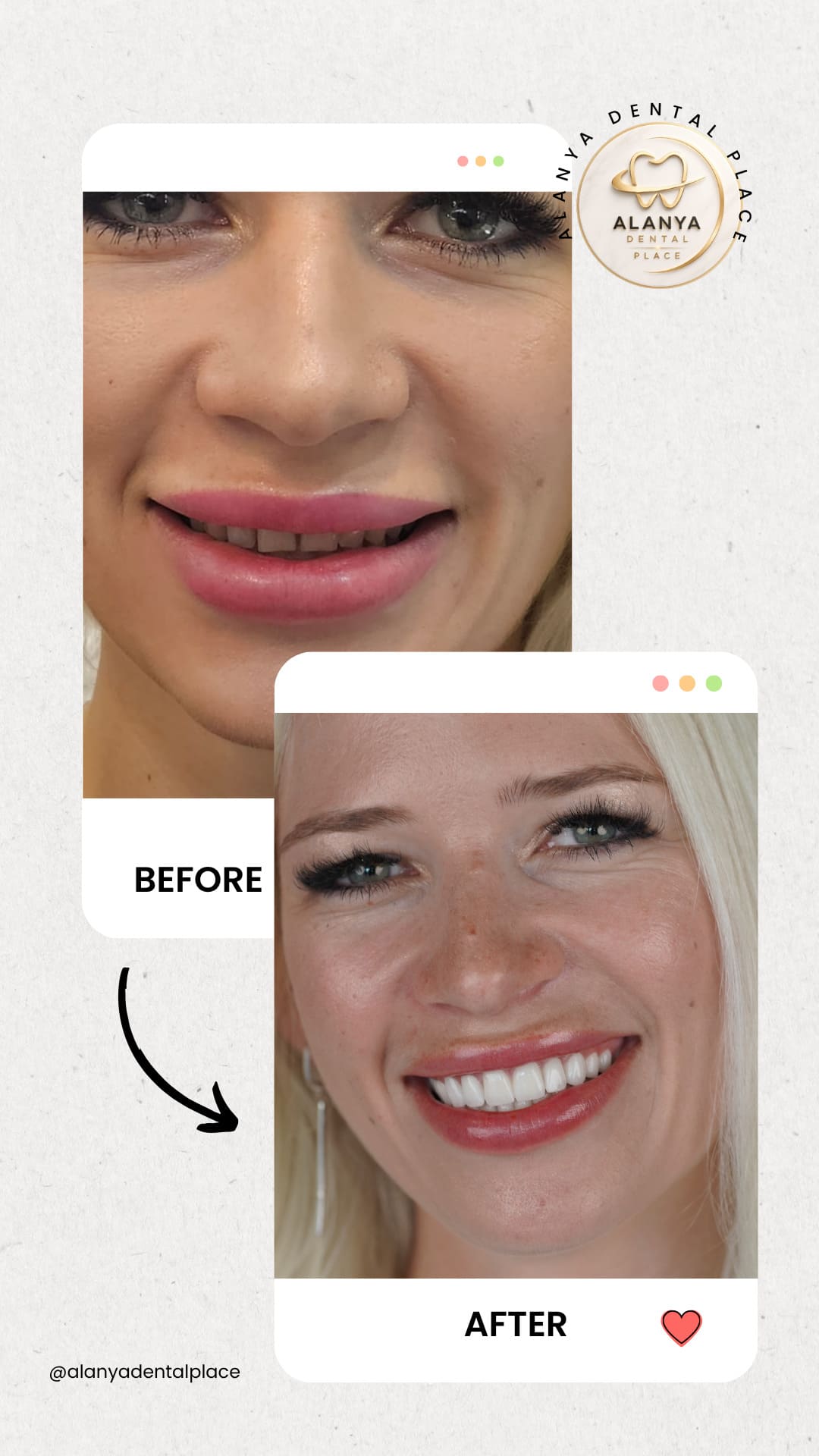
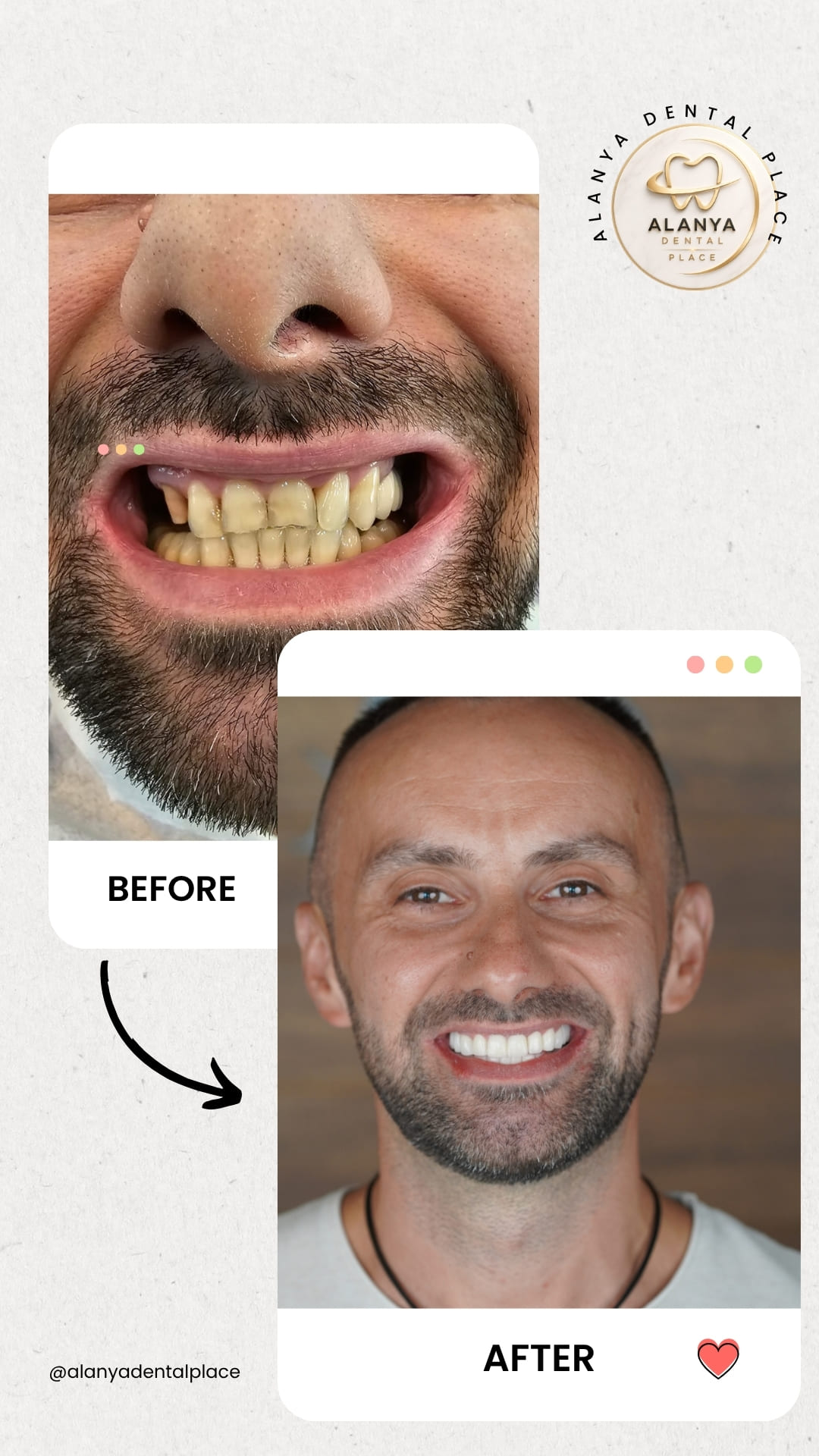
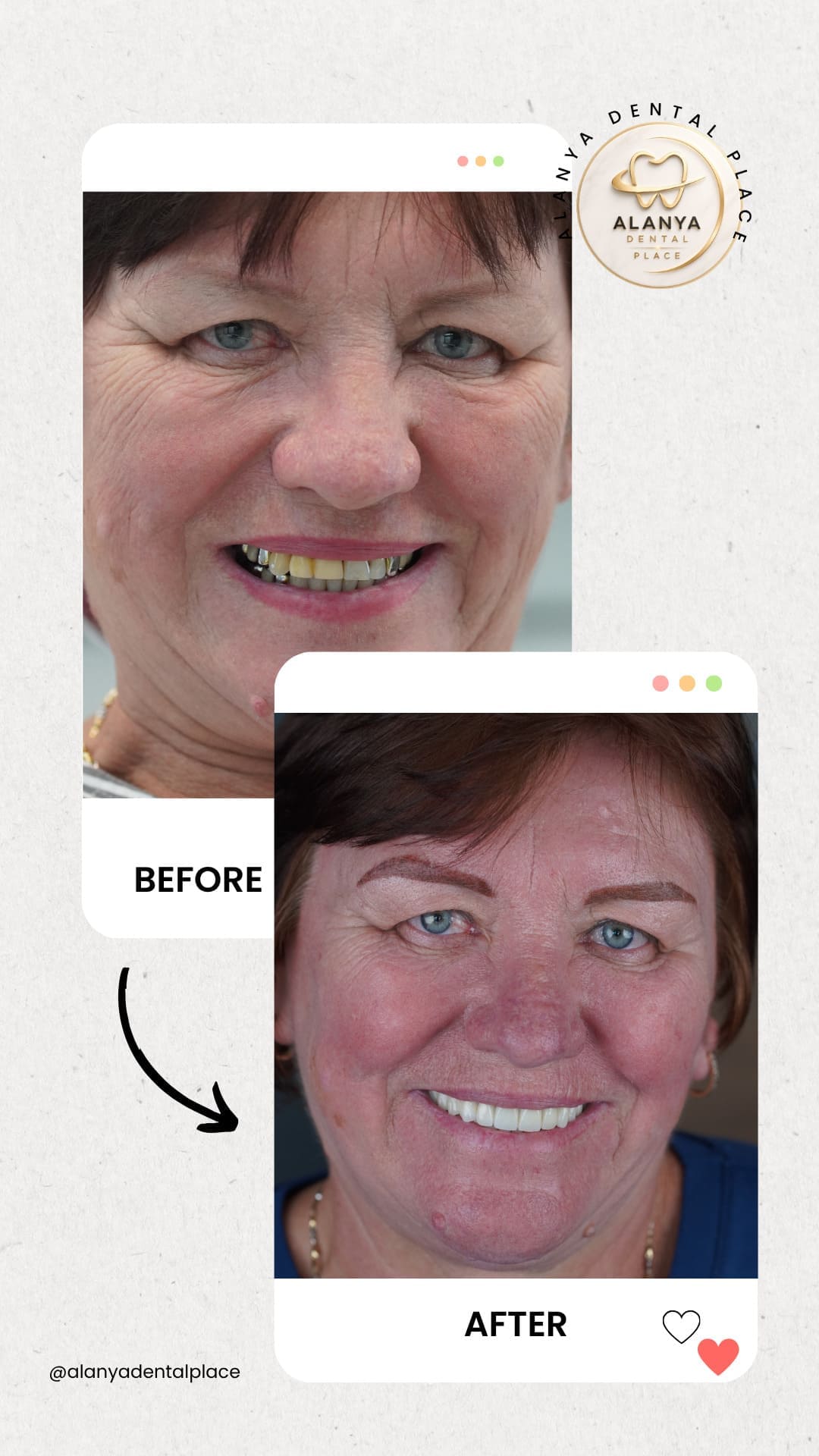
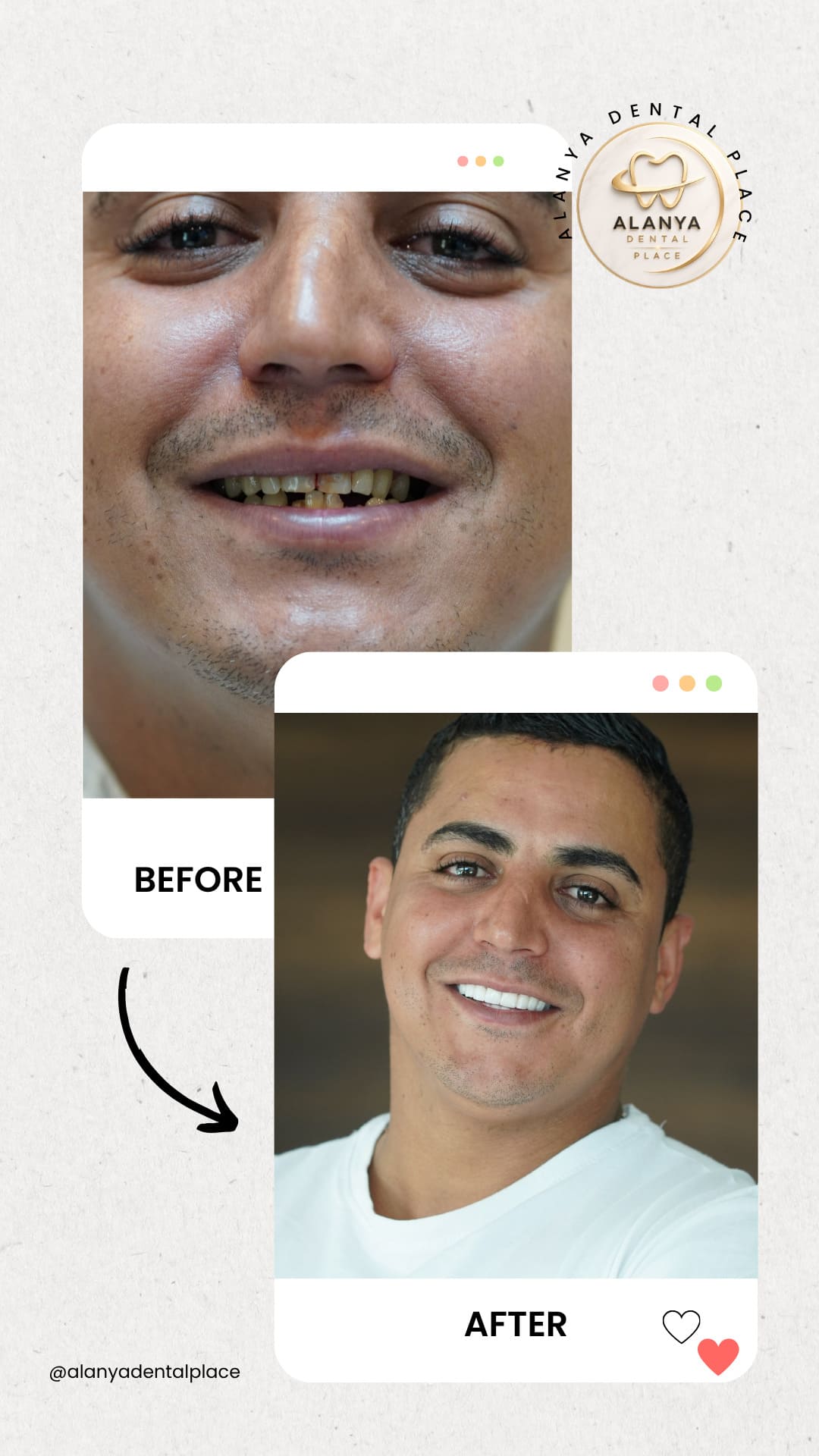
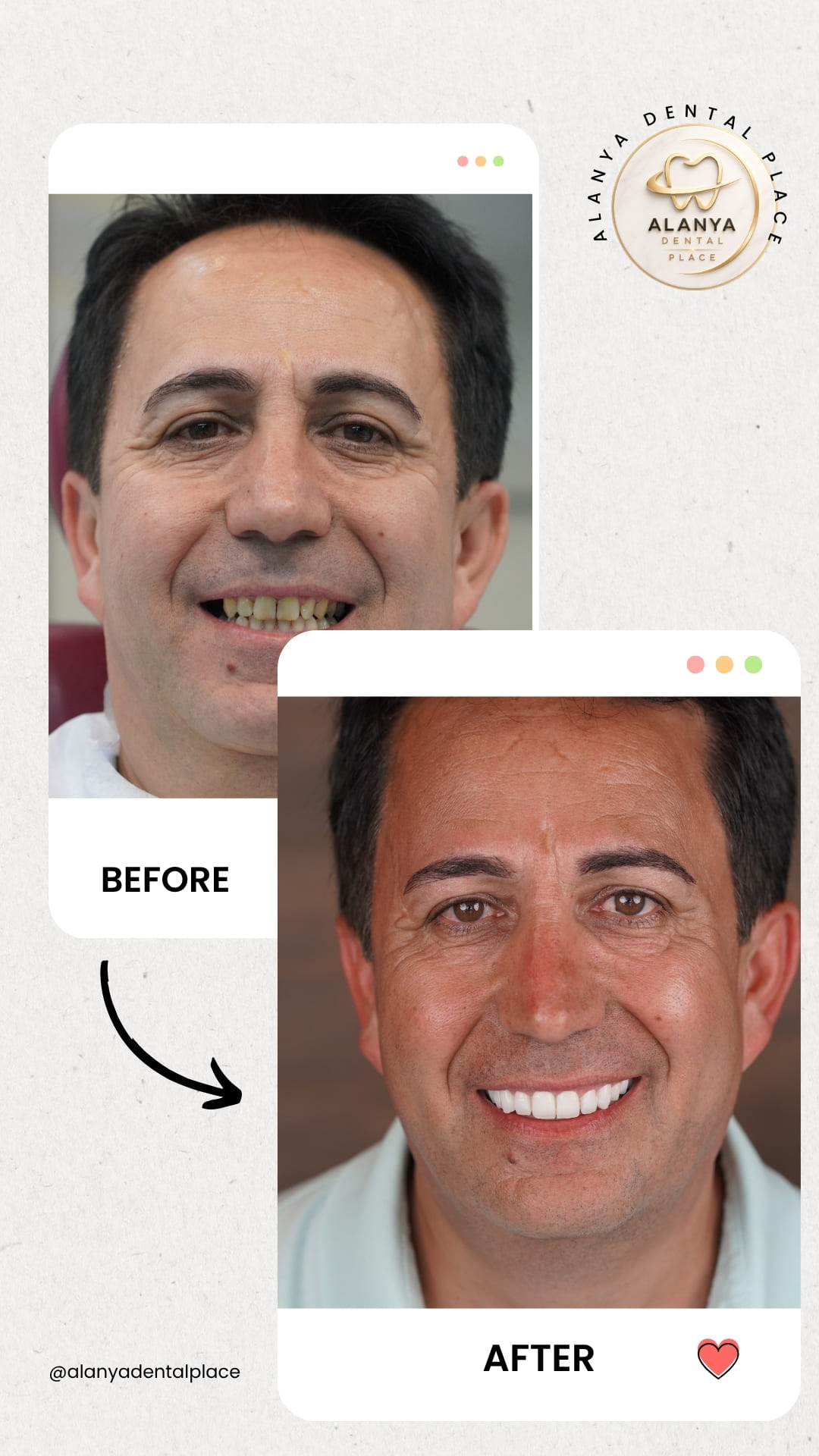
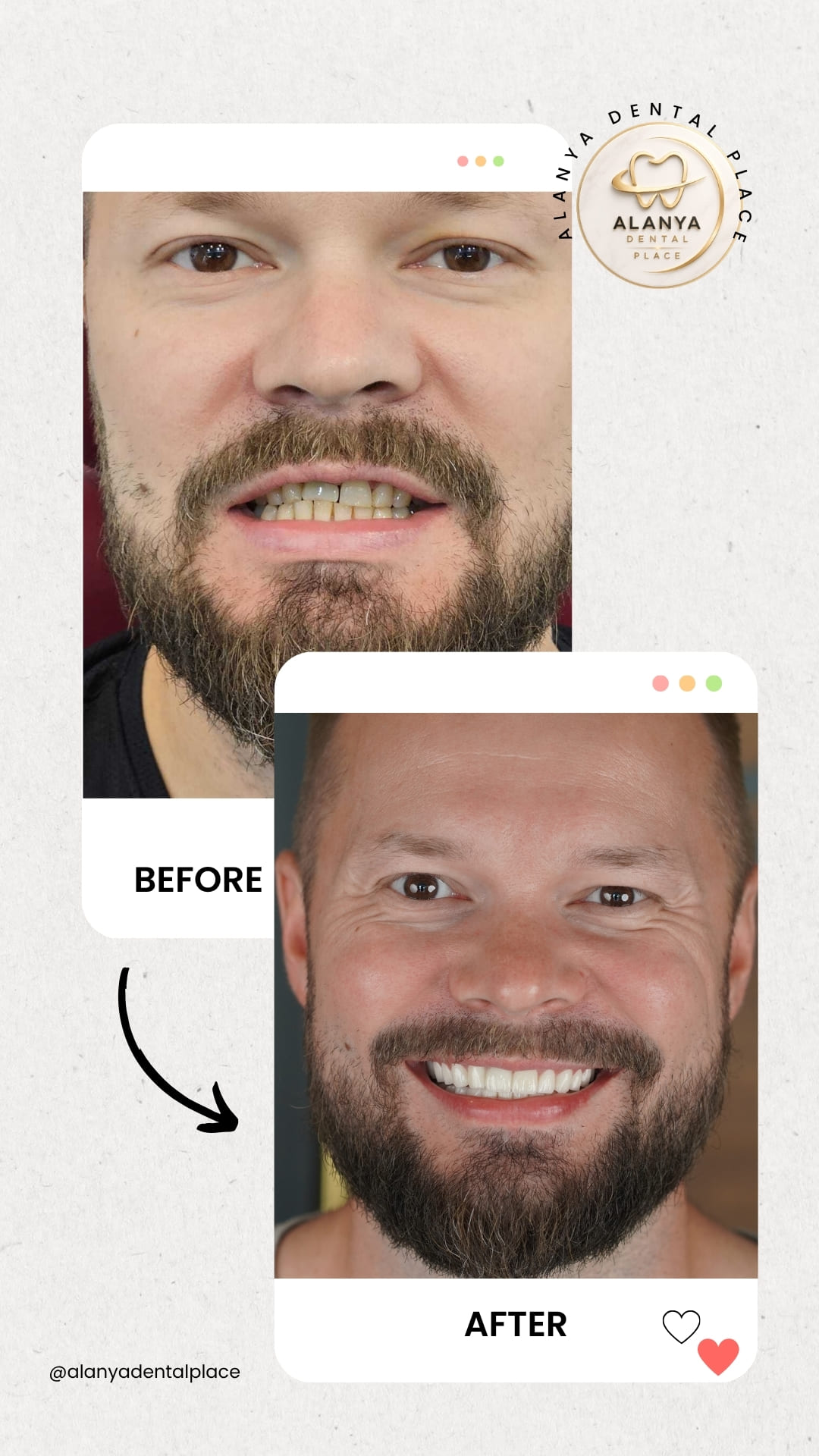
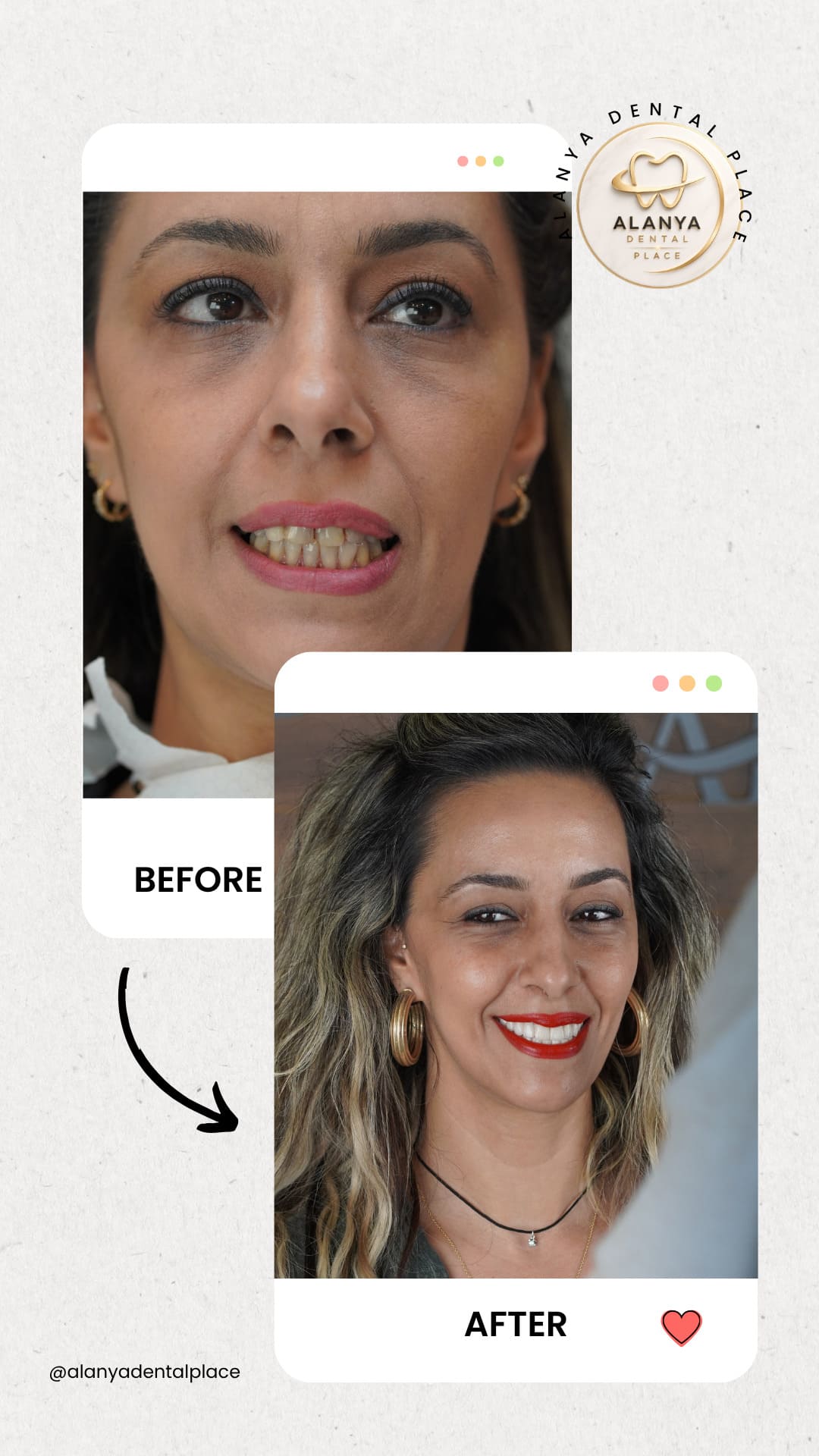
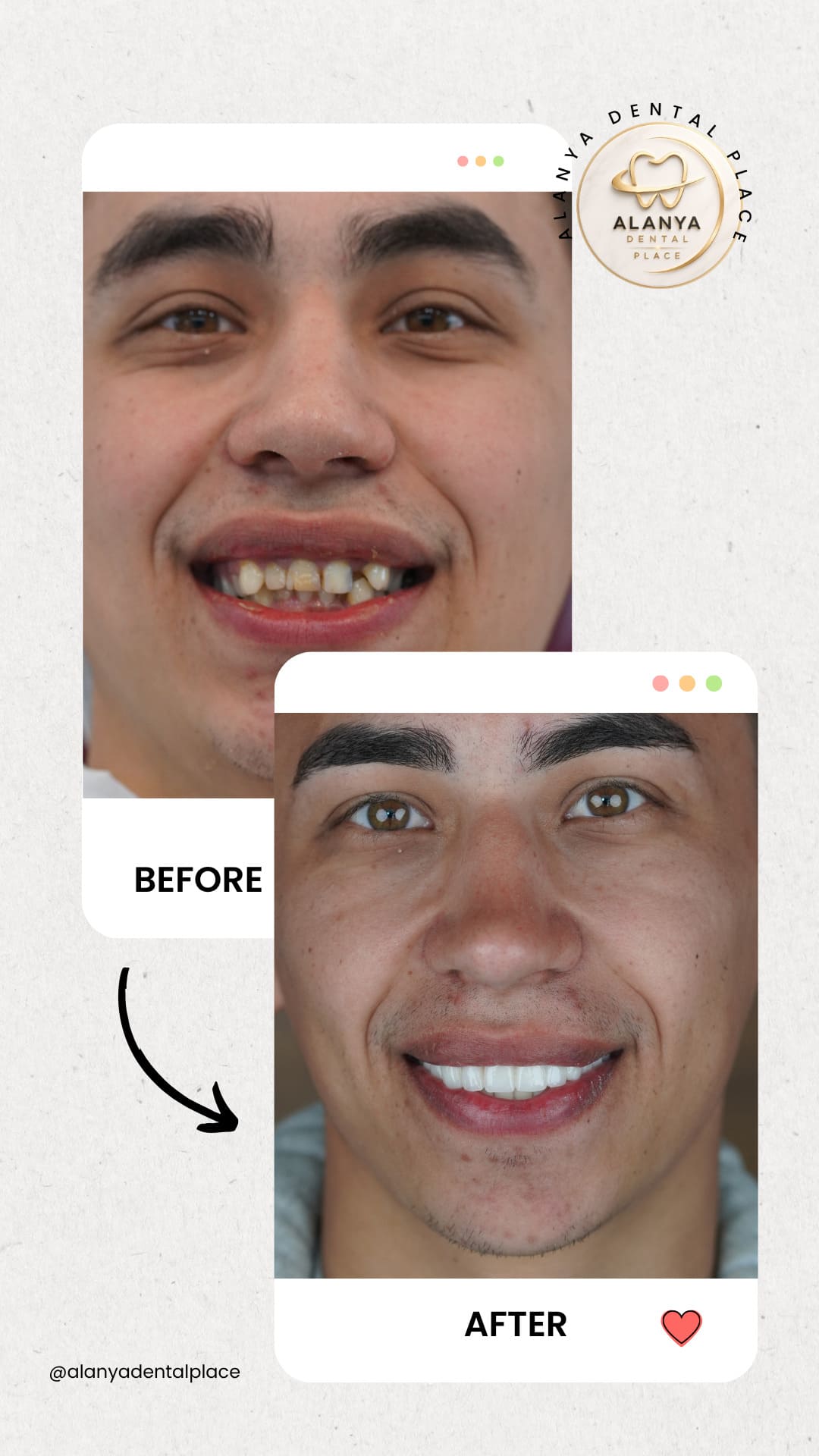
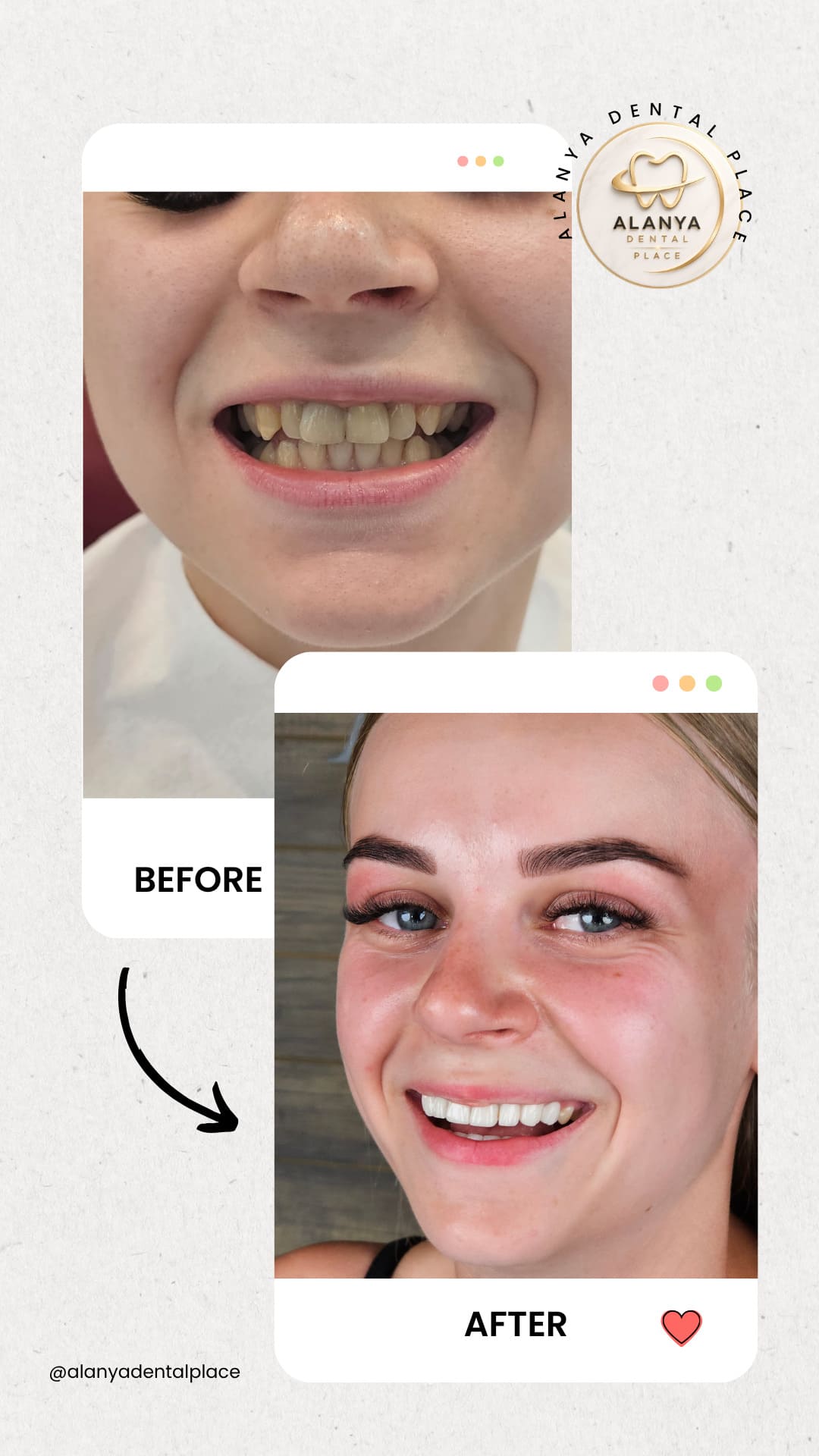
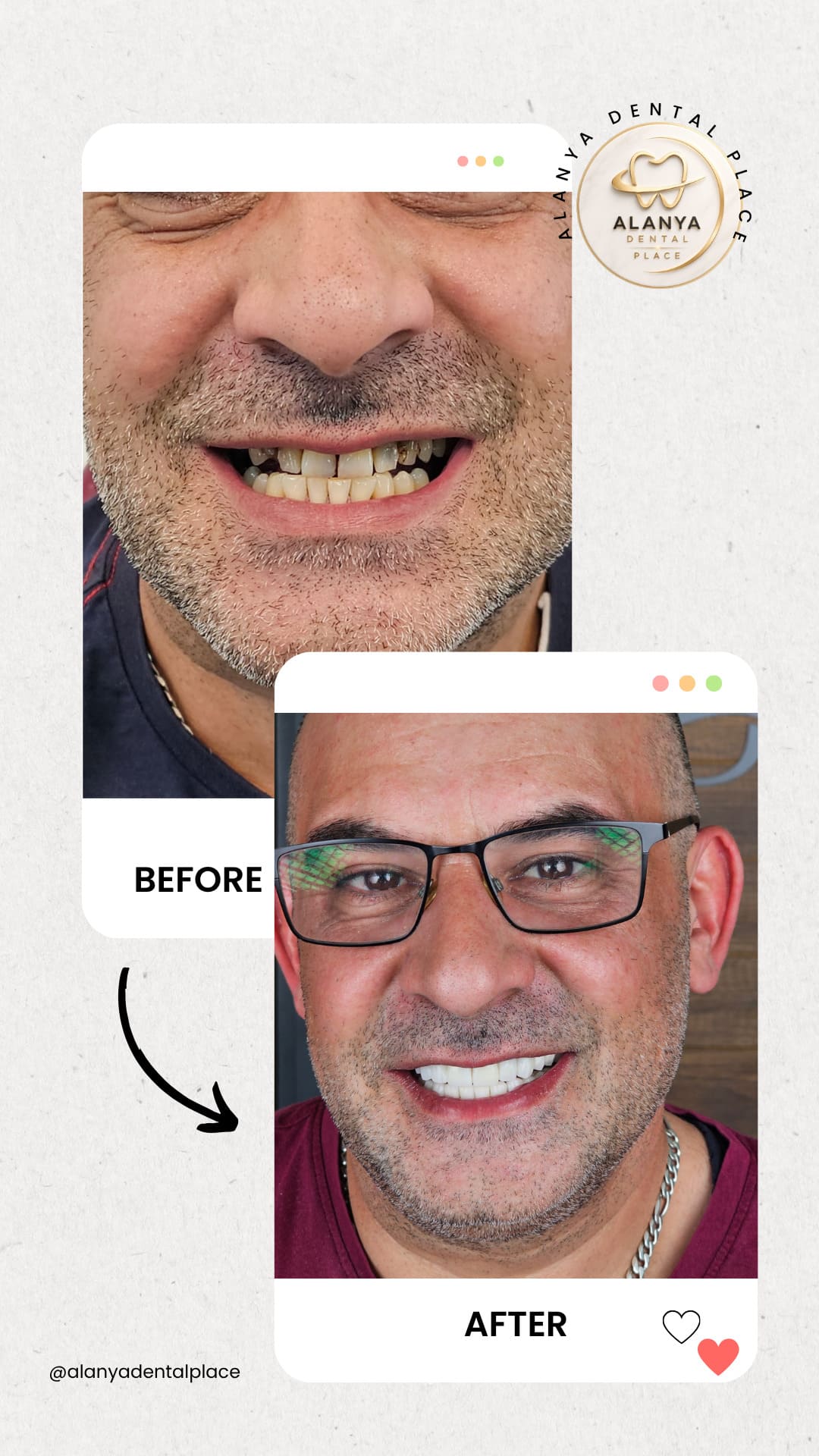
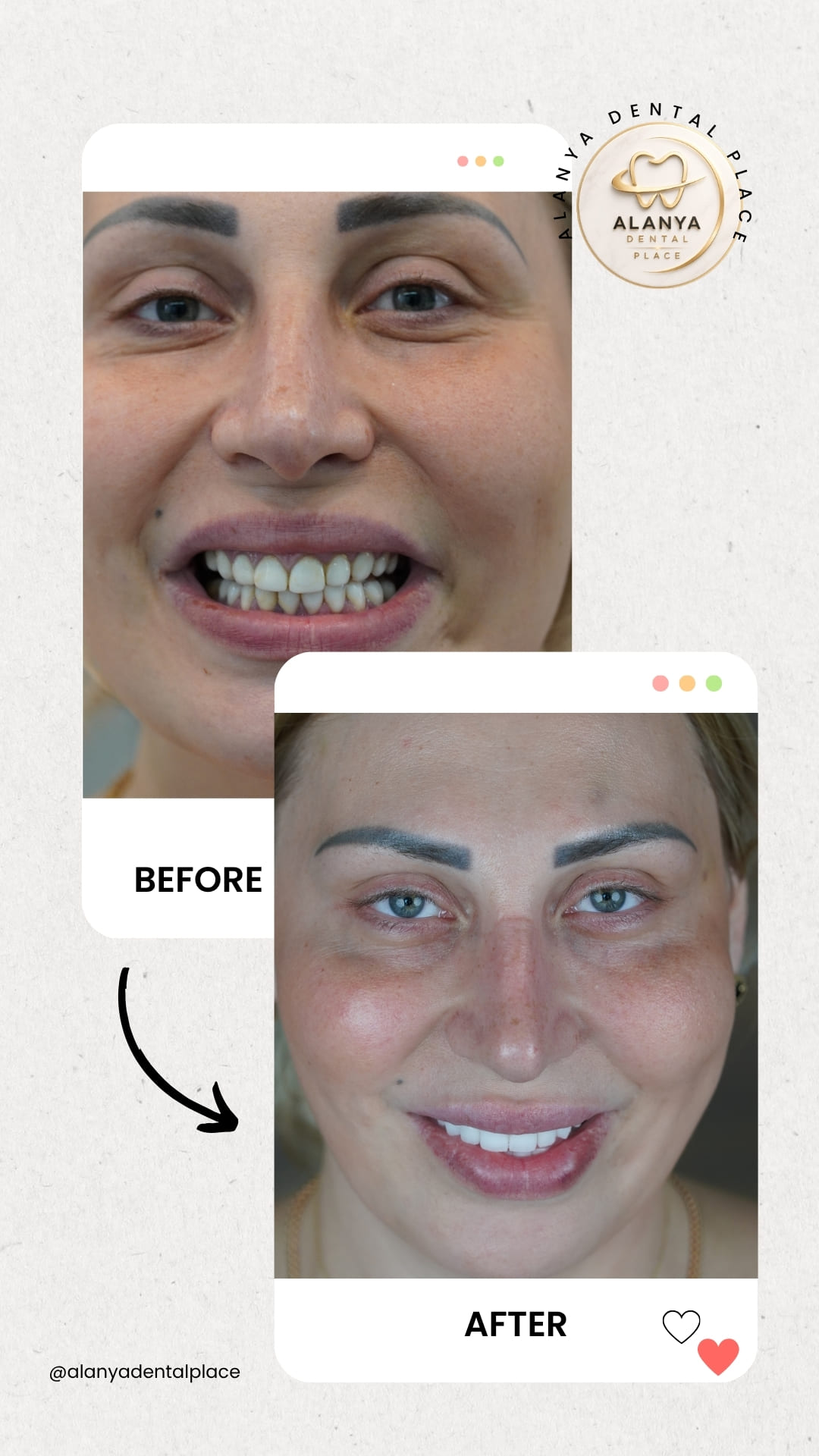
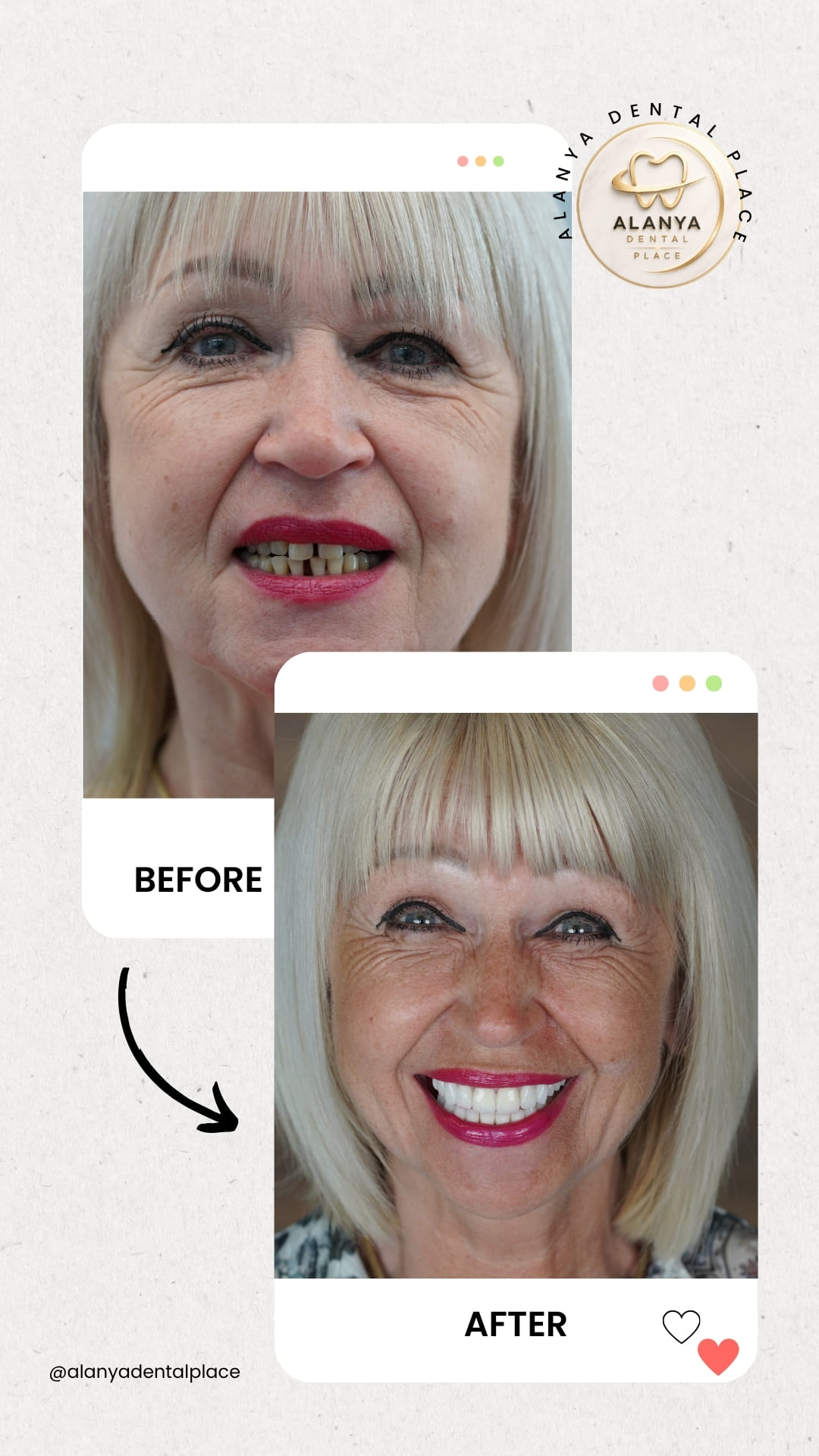





As one of Antalya’s most popular tourist destinations, Alanya offers a number of practical advantages for local and international patients seeking dental treatment:
- Affordable: Significantly lower prices compared to European countries
- A combination of holiday and treatment: Thanks to Alanya’s beaches, its historic charm and the Mediterranean climate, the treatment process also becomes a holiday experience
- Ease of access: proximity to Antalya Airport, direct flight options from many European cities
- Modern clinical facilities: Digital scanning, CAD/CAM technology and sterilisation protocols in line with international standards
- Multilingual service: Easy communication with a team that speaks English, German and Russian
Would you like to combine your treatment plan with your holiday in Alanya? Please contact us for further information.

For patients coming from abroad, the process works as follows:
- Please share your photographs and X-rays (if any) with us, and we will carry out a preliminary assessment.
- You will be informed about the estimated treatment plan and duration.
- When planning your travel dates, we offer accommodation recommendations tailored to the duration of your treatment.
- Airport transfers and coordination of in-clinic procedures are provided.
- Digital communication channels (WhatsApp, email) are kept open for post-treatment follow-up.
For patients who wish to complete their treatment in a single visit, alternative options—such as returning to their home country with a temporary crown and having the permanent crown fitted by post or during a second visit—may also be considered. Would you like us to draw up a treatment schedule to suit your travel plans?
The lifespan of all-ceramic crowns can generally range from 10 to 15 years, depending on the material used, oral hygiene and habits such as teeth grinding; with regular maintenance, this period can be extended even further.
Care instructions:
- Brushing at least twice a day, using dental floss
- A dental check-up every six months
- Avoid biting into hard foods (ice, bones, nuts with hard shells) directly with your crown
- The use of night-time protective splints for patients with a history of bruxism
- Restrictions on the consumption of coloured drinks and cigarettes (particularly due to the risk of colour change in certain materials)
- Case-based planning with a team of experienced prosthodontists
- Digital scanning and CAD/CAM-supported precision manufacturing process
- A clinical environment that complies with international hygiene and sterilisation standards
- Transparent pricing and treatment plans tailored to both local and international patients
- Seamless communication throughout the process with multilingual advisory support
Please get in touch with us to find out whether this treatment is suitable for you.
Frequently Asked Questions About All-Porcelain Dental Crowns
Questions About Treatment
Are all-ceramic crowns and zirconia crowns the same thing?
No, zirconia is a sub-type of the all-ceramic crown category. ‘All-ceramic’ is a general term covering all types of crowns that contain no metal; zirconia is one of these and is known for its high strength.
Is having a full-ceramic crown fitted painful?
As local anaesthetic is administered during the tooth preparation stage, you will not feel any pain during the procedure. Once the anaesthetic has worn off, you may experience some mild sensitivity, which usually subsides within a few days.
How long does a full-ceramic crown last?
Depending on the material, oral hygiene and habits such as teeth grinding, a service life of between 10 and 15 years is generally expected. This period can be extended with regular check-ups.
What is the difference between an all-ceramic crown and a metal-porcelain crown?
All-ceramic crowns contain no metal framework and allow light to pass through just like a natural tooth, resulting in a more natural appearance. With metal-porcelain crowns, a grey line may form at the gum line over time.
How many sessions are required for a full-ceramic crown?
Two appointments are usually sufficient: the first appointment involves preparing the tooth and taking impressions, whilst the second involves fitting the permanent crown. The interval between appointments varies between 5 and 10 days, depending on the laboratory production process.
Can a full-ceramic crown be fitted to a tooth that has undergone root canal treatment?
Yes, all-ceramic crowns are often recommended as a solution for protecting teeth that have become weakened following root canal treatment. If necessary, a post-and-core (pivot) can also be fitted prior to the crown.
Does the colour of an all-ceramic crown change over time?
Ceramic materials are more resistant to discolouration than composite fillings. However, excessive smoking and consumption of colouring drinks may lead to a slight difference in colour over the long term.
Can all-ceramic crowns be fitted for patients with sensitive gums?
If there is active gum disease, periodontal treatment must be carried out beforehand. Once gum health has stabilised, crown treatment can be safely planned.
Can a full-ceramic crown also be fitted onto an implant?
Yes, all-ceramic crowns are also widely used in implant-supported prosthetic restorations and provide a natural appearance.
What should I eat and what should I avoid after having a full-ceramic crown fitted?
In the first few days, it is advisable to avoid very hot, very cold and hard foods. Once the permanent bonding is complete, you can return to your normal diet; however, it is advisable not to use the crown directly to crack open ice or hard-shelled nuts.
Do all-ceramic crowns cause allergic reactions?
As they contain no metal, all-ceramic crowns are a safer option for patients with metal allergies than metal-supported alternatives.
Can smile design be carried out in conjunction with a full-ceramic crown?
Yes, all-ceramic crowns, particularly for anterior teeth, can be used as an important component of comprehensive smile design plans.
When receiving treatment in Alanya, does the clinic organise accommodation and transfers?
We provide support with accommodation recommendations and airport transfer arrangements for our patients arriving from abroad; details will be finalised during the treatment plan consultation.
What happens if an all-ceramic crown breaks?
If the crown breaks, it may need to be repaired or replaced. Regular check-ups and correct use are therefore important for extending the life of the crown.
Can a full-ceramic crown treatment be completed in a single visit?
Due to the laboratory process, two visits are usually required; however, the process can be optimised through accelerated protocols or by planning temporary or permanent crowns, depending on the travel time.
Can a full-ceramic crown be fitted by any dentist?
Clinics with experience in prosthetic dentistry and equipped with digital scanning and CAD/CAM technology achieve more precise results.
Sources
- American Dental Association (ADA) – Crowns and restorative dentistry guidelines
- European Federation of Periodontology (EFP) – Periodontal health and restorative treatment
- National Institute of Dental and Craniofacial Research (NIDCR) – Tooth crown procedures
- NHS – Dental crowns information
- Türk Dişhekimleri Birliği (TDB) 2026 Tariff Guide – Crowns price references
Do you have any other questions?