Zygomatic Dental Implants in Turkey
Designed specifically for patients with severe bone loss, this zygomatic implant system—anchored to the zygomatic bone—enables you to achieve stable, functional and aesthetically pleasing teeth. Antalya’s experienced surgical team offers the option of prosthetic restoration in a single session.
Zygomatic dental implants; almost 70% more affordable than in European countries.

What is a Zygomatic Dental Implant in Turkey?
The zygomatic implant is a specialised implant system developed for patients with severe bone loss in the upper jaw, where standard dental implants cannot be used. Introduced into clinical practice in the early 1990s by the Swedish implant pioneer Per-Ingvar Brånemark, this method is now recognised worldwide as the gold standard for cases of insufficient bone.
Whilst conventional implant screws anchor into the jawbone, zygomatic implants, with their much longer design, extend all the way to the zygomatic bone (os zygomaticus) and create a secure anchor point there. This makes it possible to achieve a permanent, stable prosthetic foundation even in patients with bone loss, reduced sinus space, or those wishing to avoid bone graft surgery. Our clinic, one of the leading centres in Turkey specialising in zygomatic implant procedures, warmly welcomes patients from Alanya and the surrounding districts.
The dental implant brands we work with that are CE-certified






Who is eligible for zygomatic implants?
A zygomatic implant may be the primary treatment option if one or more of the following conditions apply:
Zigomatik İmplant ile Standart İmplant Arasındaki Farklar
Many patients ask, ‘Why a zygomatic implant rather than a standard implant?’ You can clearly see the key differences between the two in the table below. This comparison is also a decisive factor for international patients considering dental implants in Turkey.
| Feature | Standard Implant | Zygomatic Implant |
|---|---|---|
| Anchor point | Jawbone | Cheekbone (zygoma) |
| Need for a bone graft | It is usually necessary | It isn’t necessary |
| Length | 8–16 mm | 30–52 mm |
| A temporary tooth on the same day | In certain circumstances | In most cases, it is possible |
| Total duration of treatment | 6–18 months | 3–6 months |
| Ideal cases | Sufficient bone stock | Severe bone loss, atrophic maxilla |
At our clinic in the Alanya and Antalya region, we use digital imaging technologies to clearly determine which method is right for you during your initial consultation. Whilst the cost of zygomatic implants in Turkey remains much more affordable compared to international centres, we never compromise on quality standards.
Contents
The Treatment Process for Zygomatic Dental Implants
Duration of the Surgical Procedure
Back to Everyday Life
Total Duration of Treatment
How Is a Zygomatic Implant Surgery Performed? A Step-by-Step Guide
Zygomatic implant surgery is a highly precise procedure carried out following a meticulous pre-operative planning process. At our clinic in Antalya, all surgeries are performed under sterile operating theatre conditions and in accordance with advanced anaesthesia protocols.
CBCT scans are used to examine bone structure, sinus cavities and zygomatic anatomy in detail. A personalised implant placement map is created using virtual surgical planning software.
General anaesthesia or deep sedation is administered; patient comfort is our top priority. At our clinic, we follow a pain-free zygomatic implant surgery protocol under the supervision of an anaesthetist.
A canal is created using specialised angled drill systems, extending down to the zygomatic bone. One or two zygomatic implants are placed on each side, with standard axial implants added to the anterior region where necessary.
In cases where primary stability is sufficient, a temporary fixed bridge is fitted on the day of surgery. The patient leaves the clinic on the same day with functional teeth — this option offers a significant advantage, particularly for dental tourism patients visiting Turkey.
Following a recovery period of 3–6 months, a permanent zirconia or acrylic bridge prosthesis is fitted. Long-term follow-up appointments are held regularly at our clinic.


Advantages of Zygomatic Implants: Why Choose This Method?
For patients in Turkey who are considering dental implants but have been told that standard implants cannot be fitted due to insufficient bone, zygomatic implants offer an extremely valuable alternative. There are many compelling reasons to choose this method at our clinics in Antalya and Alanya.
Fixed Dentures Without Bone Grafting
Generally speaking, when there is insufficient upper jaw bone, additional procedures such as sinus lifts or block bone grafts are required. These procedures not only prolong the treatment period but also entail additional costs and recovery times. Thanks to zygomatic implants, these extra steps are largely eliminated. This feature is a decisive factor for patients seeking fixed dental implants without the need for bone grafts.
Accelerated Treatment Schedule
Whilst a standard implant procedure, including a sinus lift, can take 12–18 months, the zygomatic implant protocol significantly reduces this timeframe. For dental tourism patients visiting Antalya from abroad, this efficiency is a critical advantage; both the surgical and temporary prosthetic stages can be completed in a single visit.
High Performance and Long Life
International clinical studies report a survival rate of over 95% following a 10-year follow-up period for zygomatic implants. The zygomatic bone does not resorb with age; therefore, implant stability is maintained in the long term. The longevity of zygomatic implants is often more predictable than that of conventional graft procedures.
Aesthetic and Functional Integrity
Full-arch fixed bridges supported by zygomatic implants restore speech, chewing function and the aesthetics of a smile in the most natural way. The functional limitations associated with removable dentures, as well as discomfort caused by palatal coverage or slippage, are eliminated. The option of a zirconia bridge supported by zygomatic implants combines aesthetics with durability.
Before and After Zygomatic Dental Implants
High success rate and natural-looking results
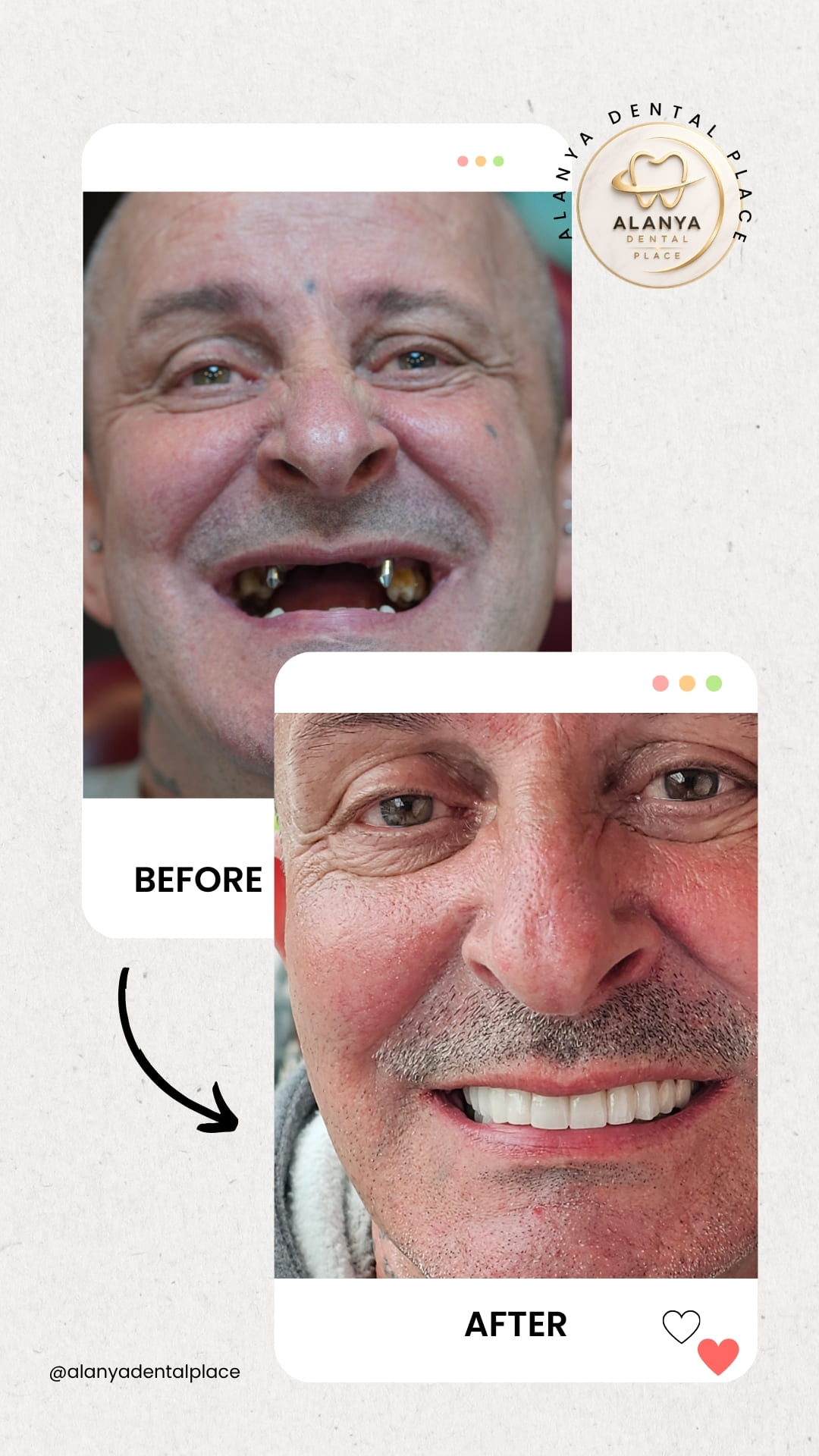

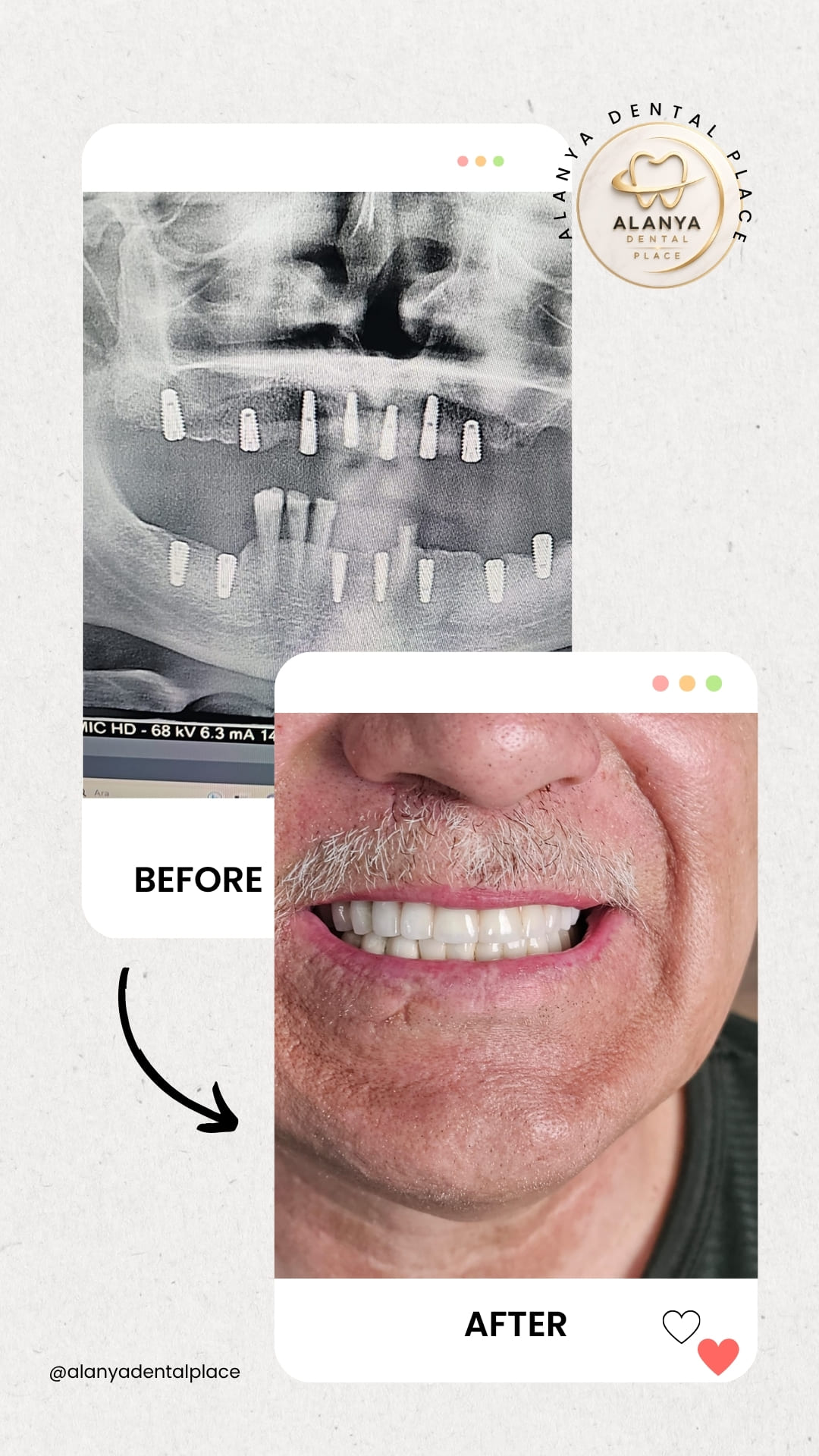
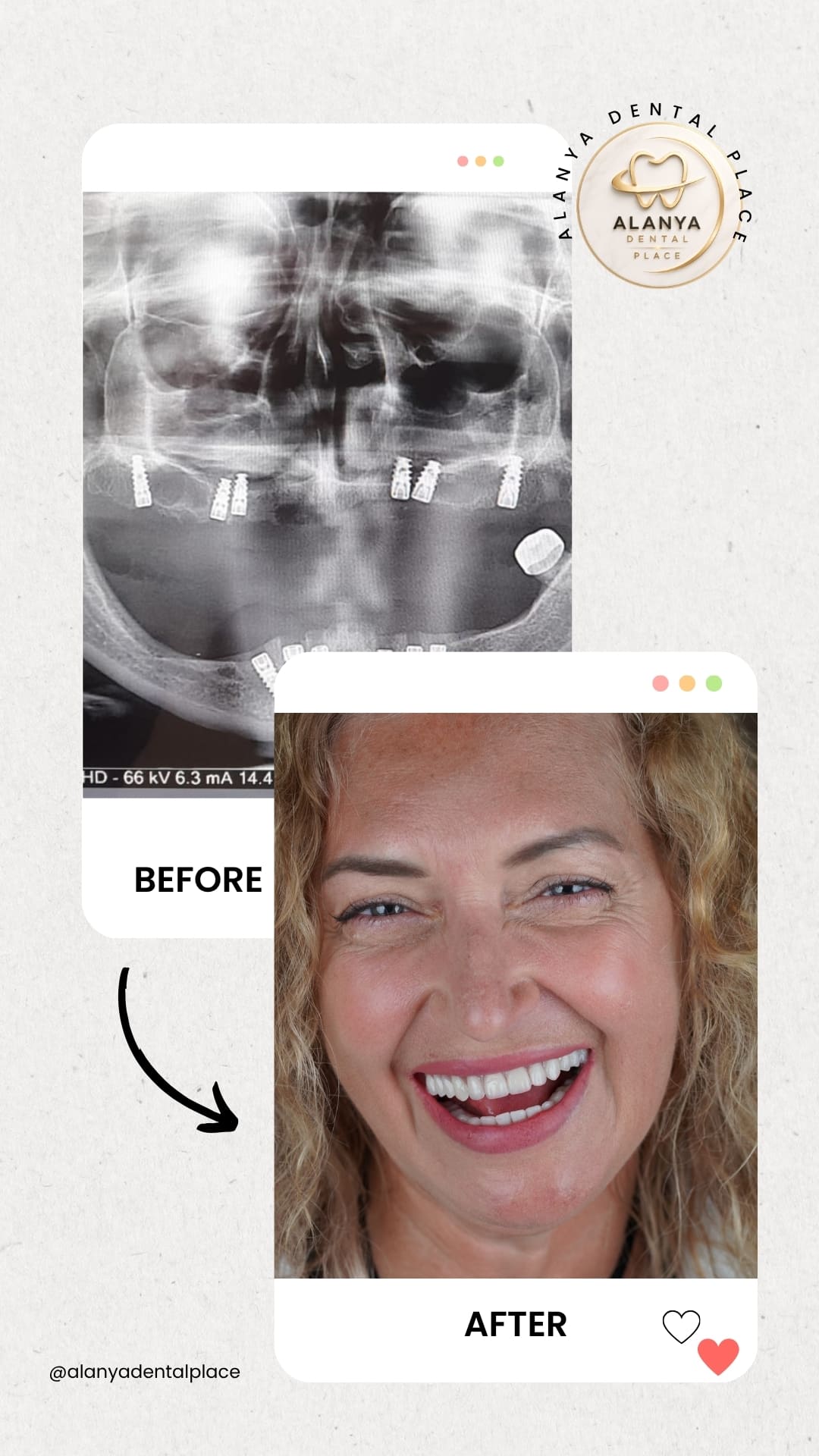
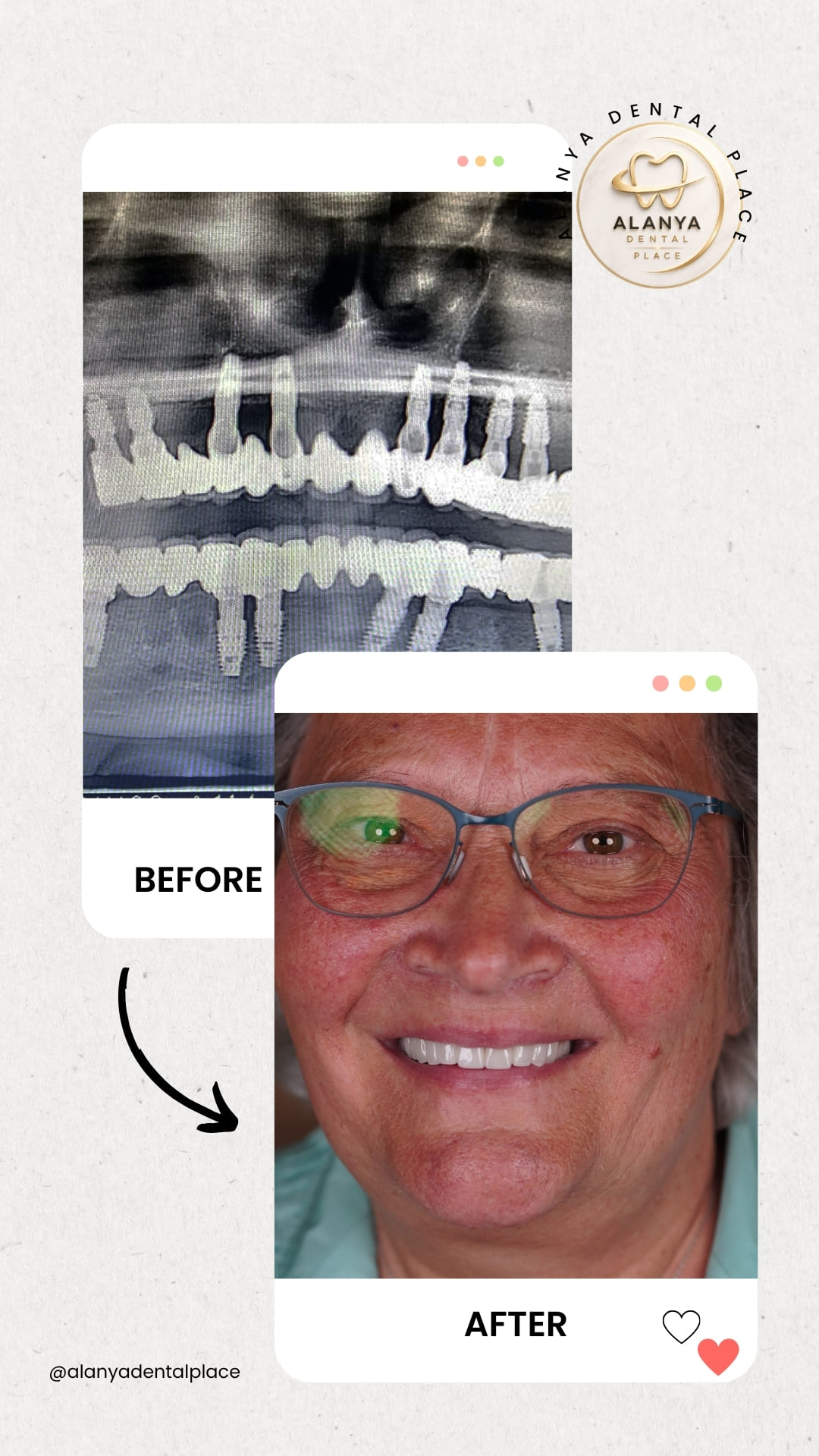
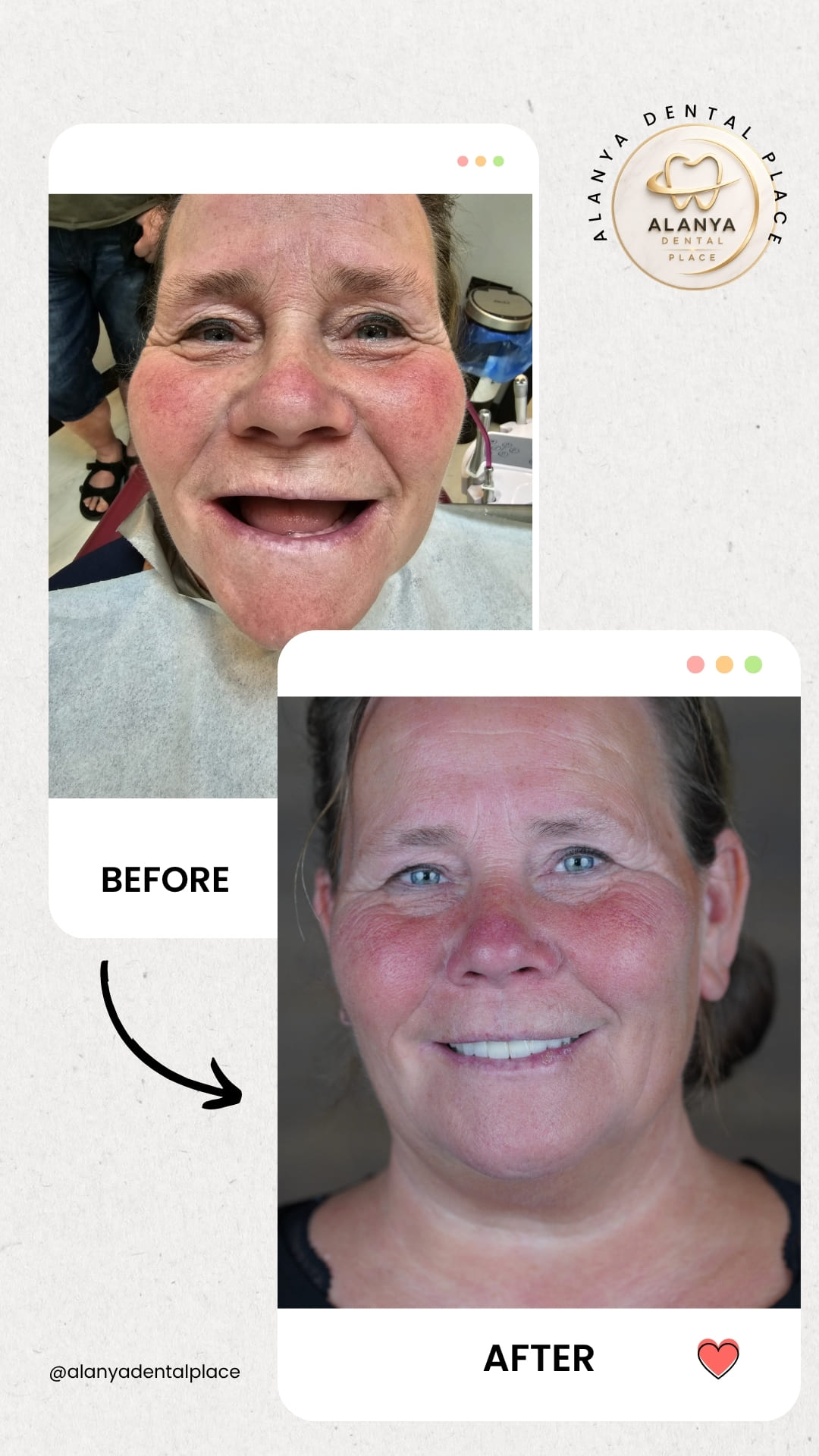
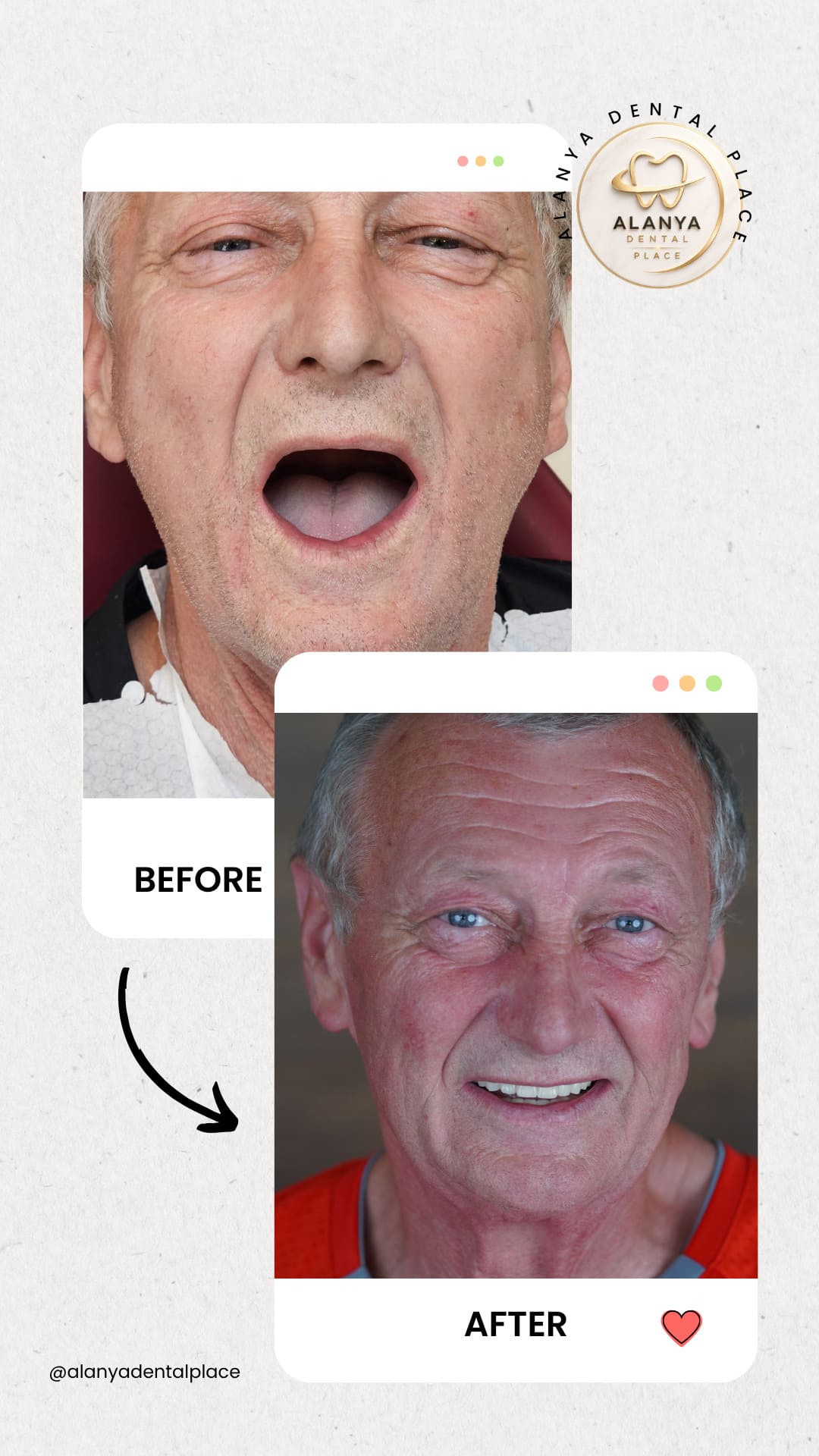
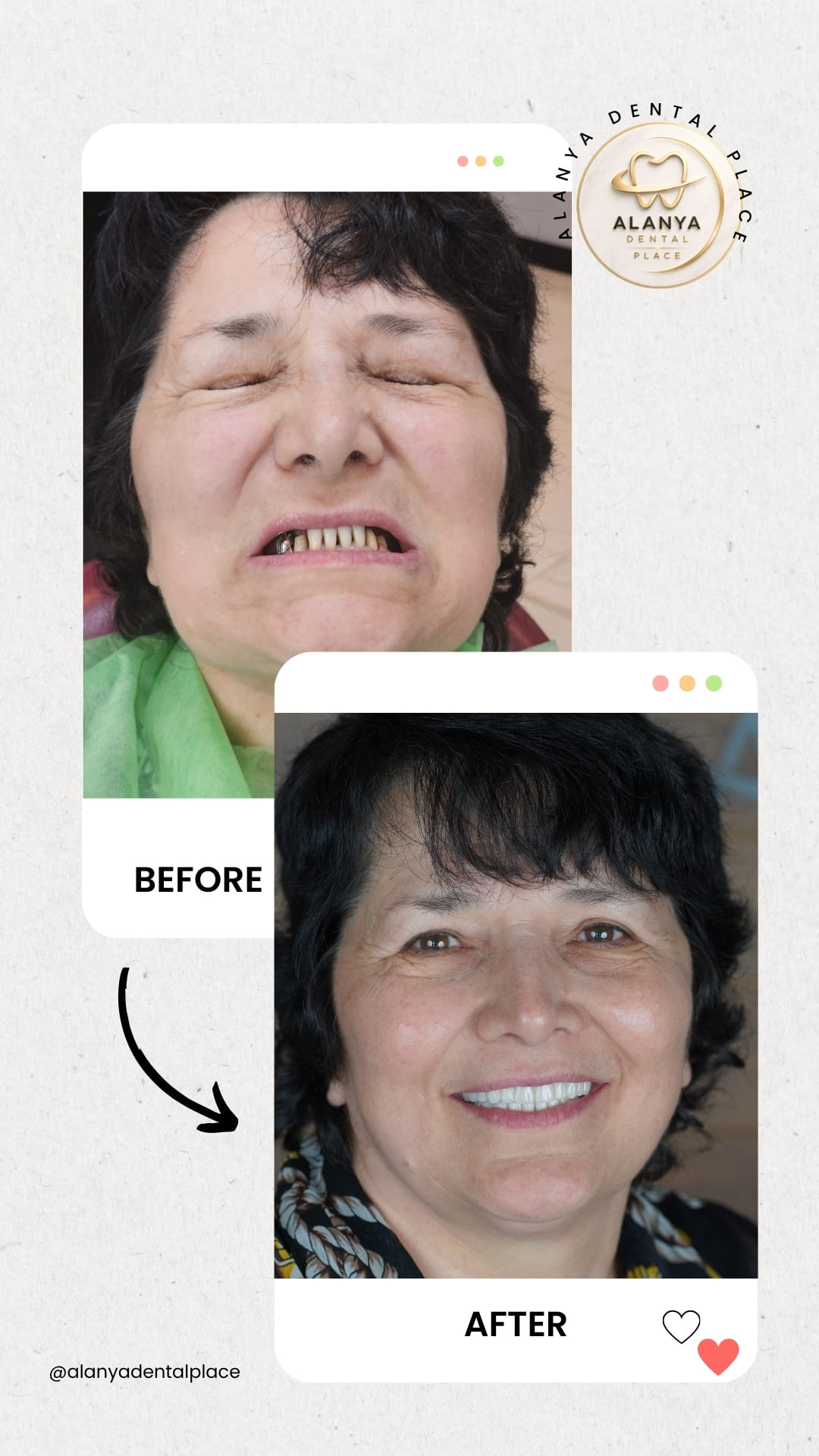
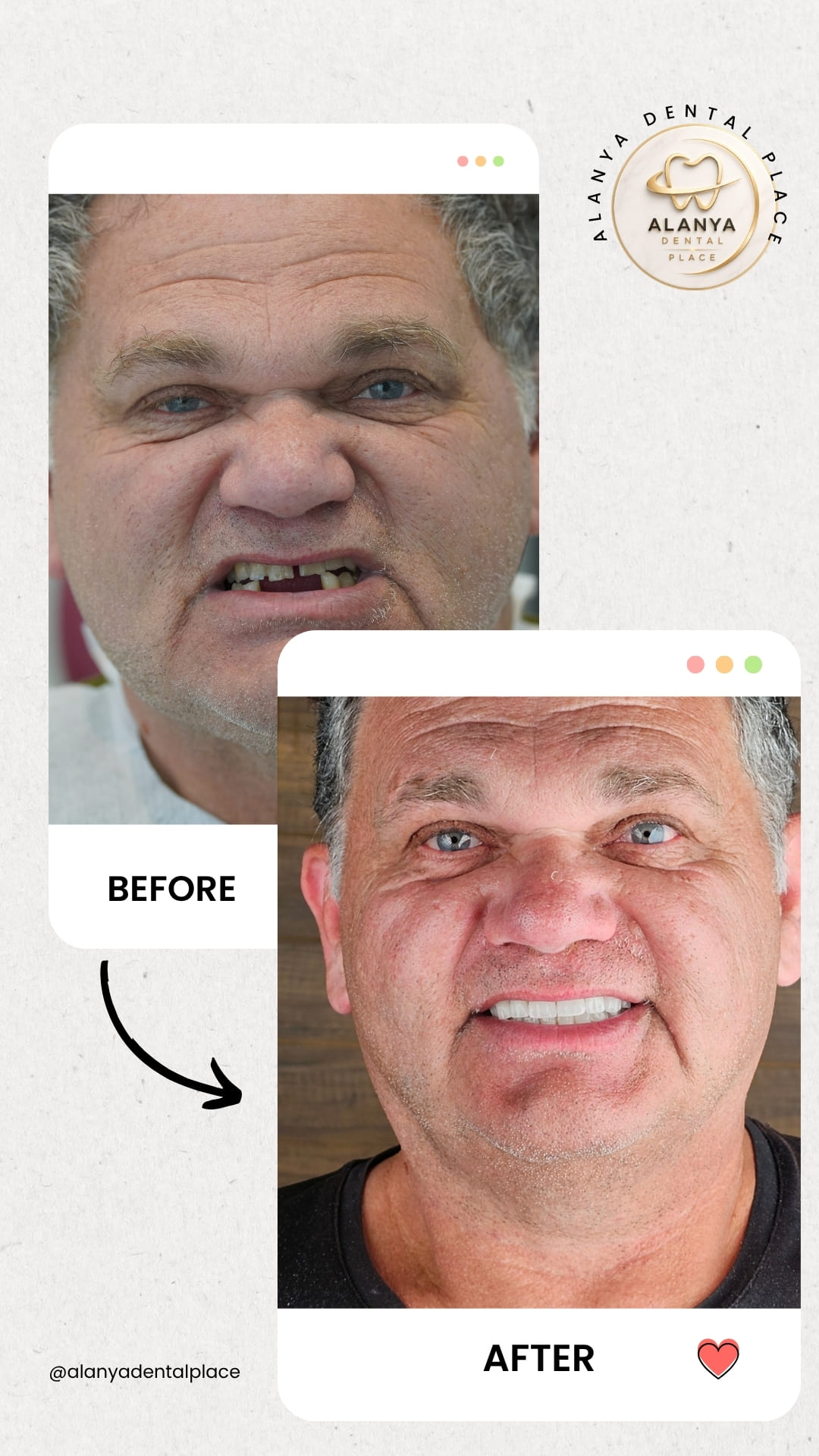
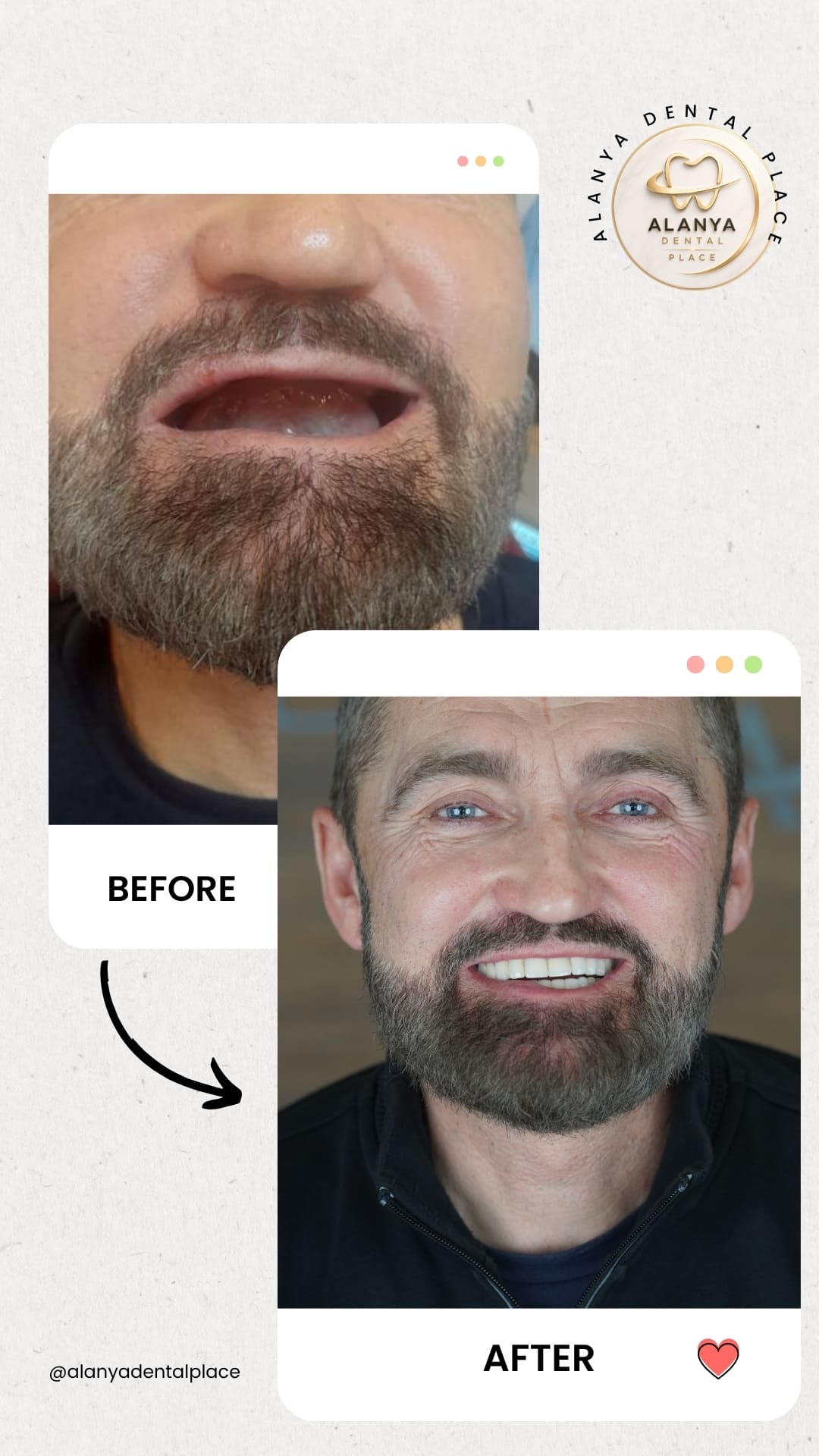
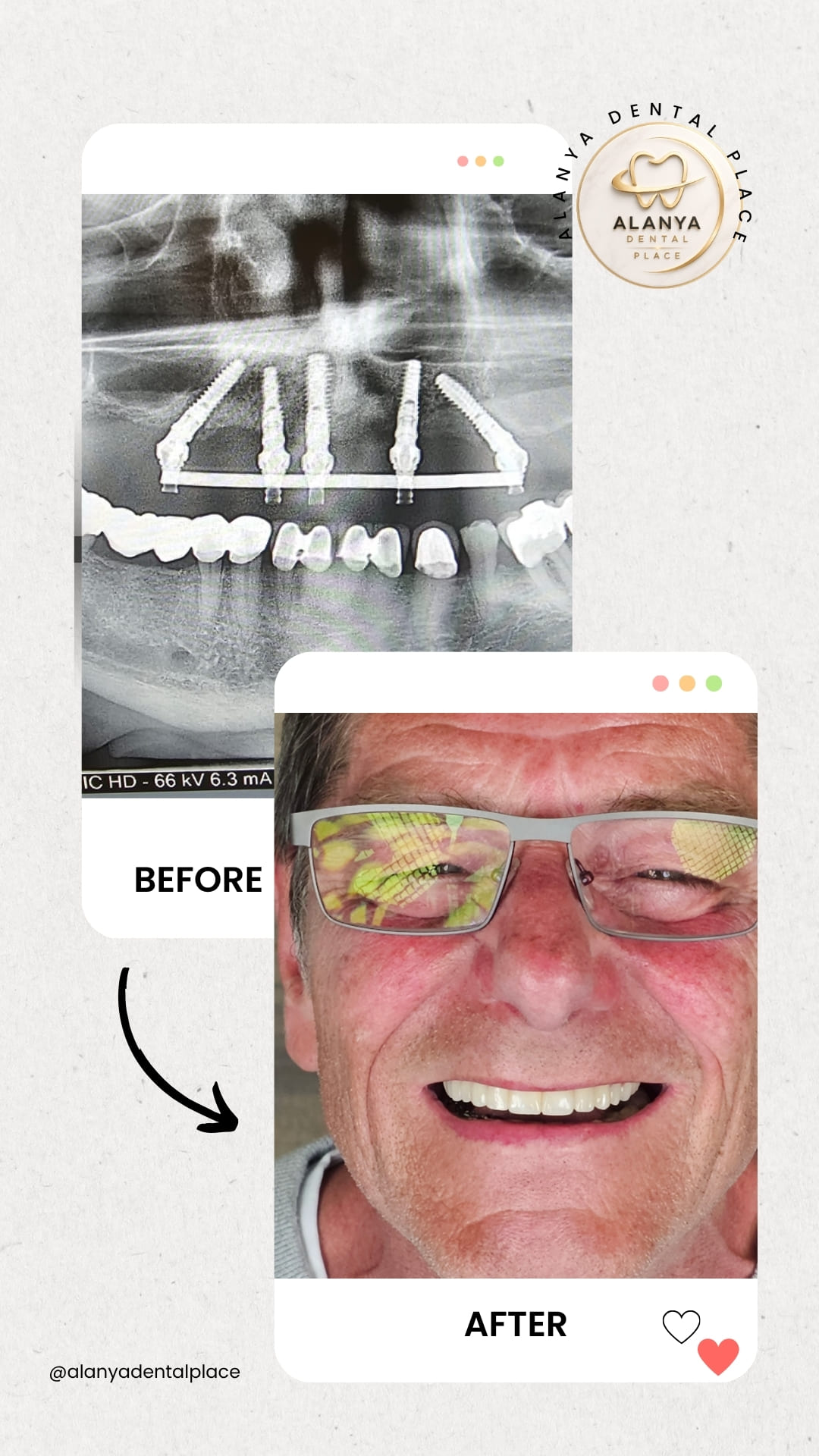
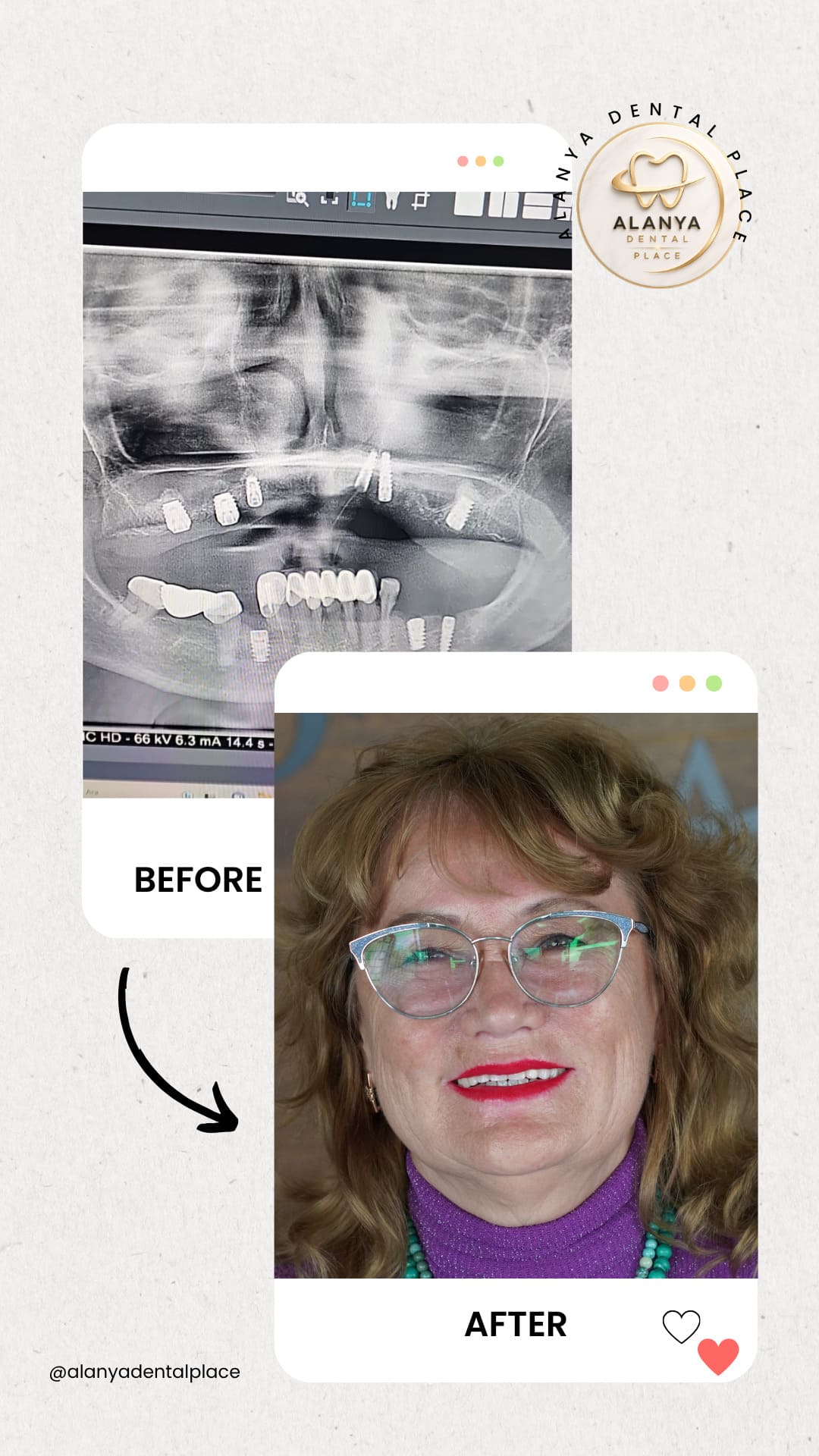
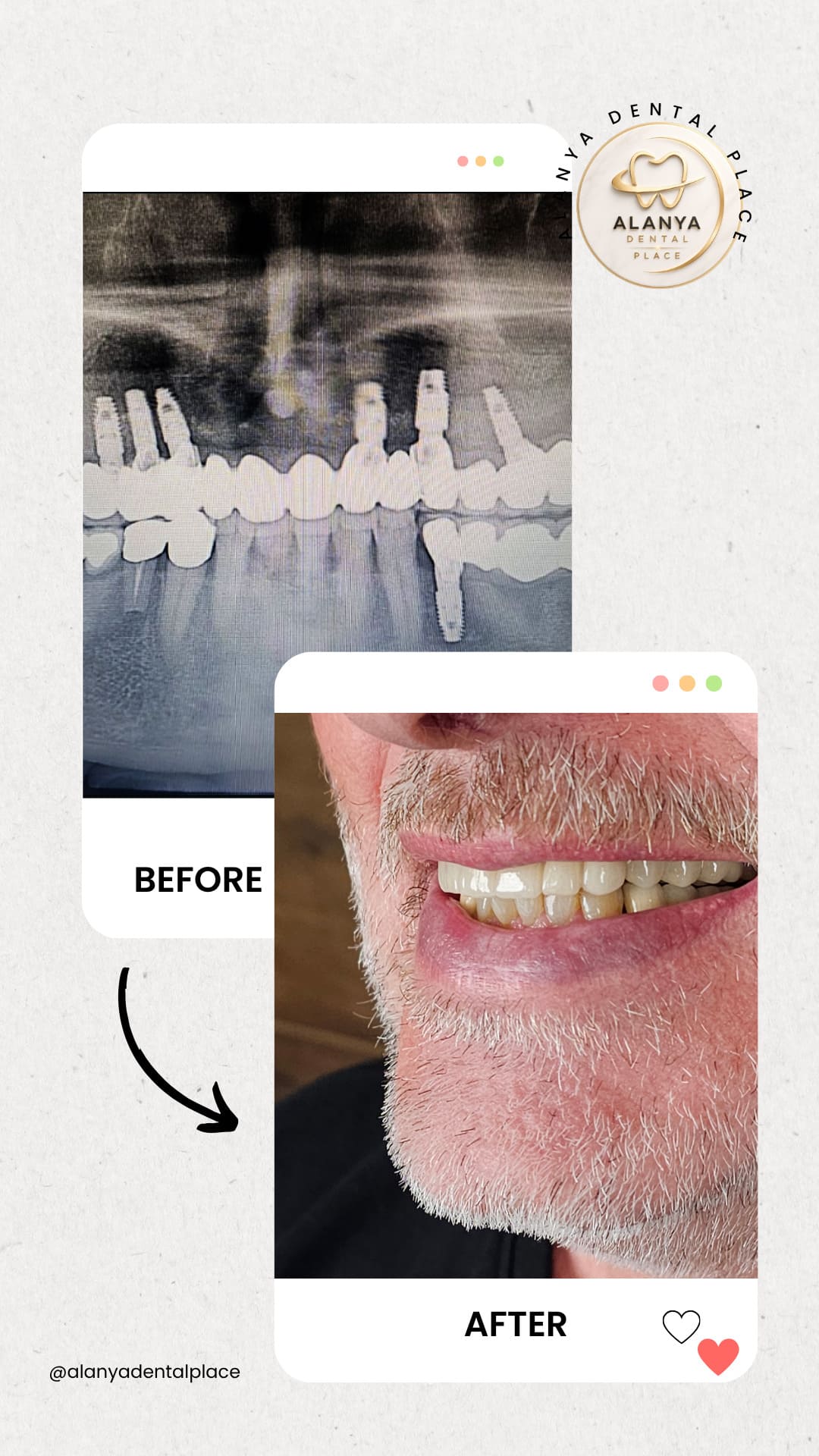
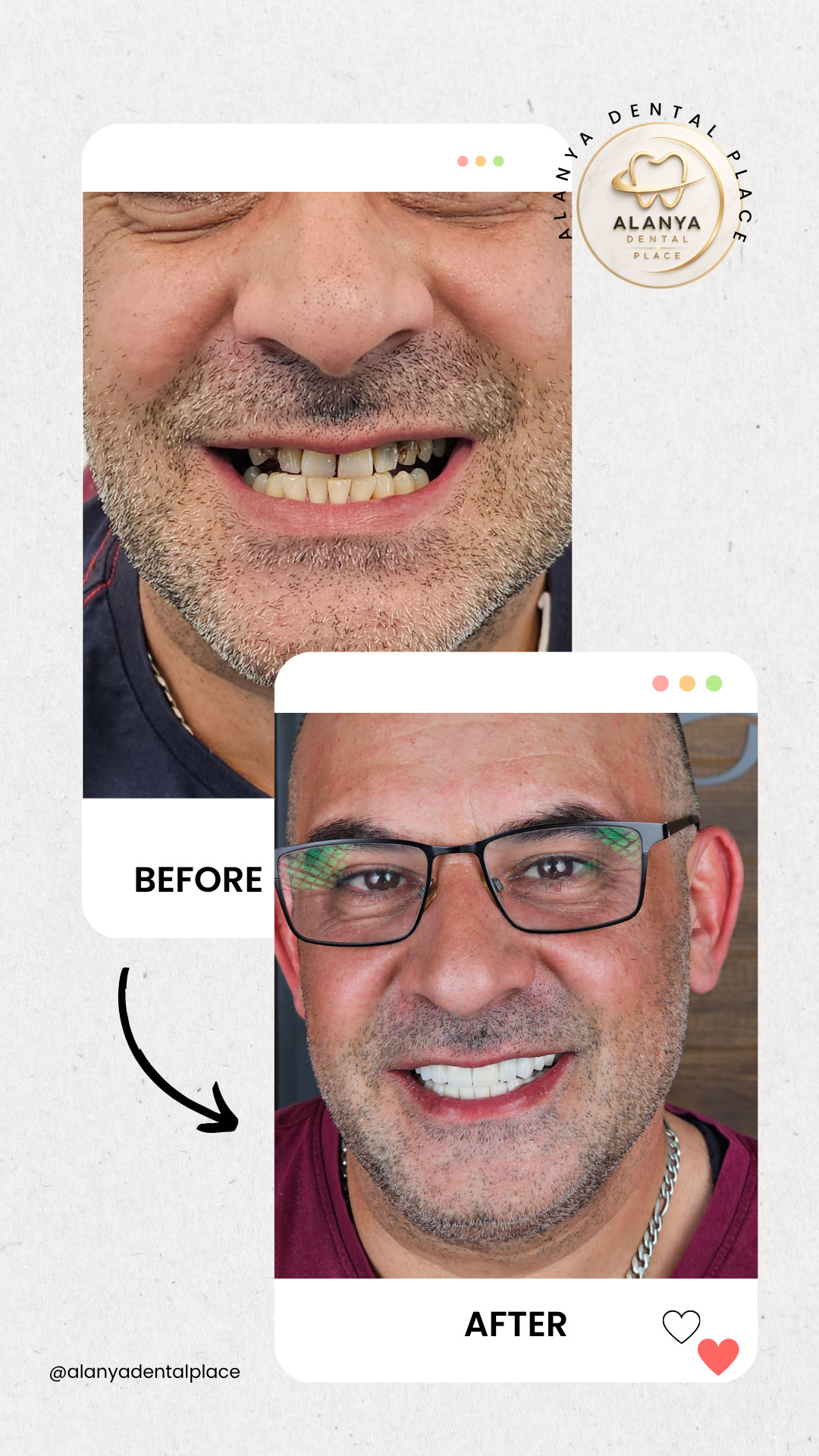





Alanya Dental Place: the choice of over 10,000 international patients!
Zigomatic Implant Prices in Turkey and Alanya
The cost of zygomatic implants in Turkey is generally 50–70% lower than in Europe and North America. This cost advantage is achieved without compromising on quality, materials or the dentist’s experience. The combination of tourism opportunities and dental treatment in Alanya and Antalya has made Turkey the top destination for dental treatment among international patients.
The vast majority of German, British, Russian and Scandinavian patients seeking dental implants in Alanya report that, even when travel, accommodation and treatment costs are taken into account, having zygomatic implants fitted in Turkey is more cost-effective than undergoing the procedure in their own countries.
Post-operative Care and Recovery Process Following Zygomatic Implant Surgery
Half the success of a zygomatic implant procedure depends on the correct surgical technique, whilst the other half depends on the care taken during the post-operative recovery process. Our clinic offers both in-person and digital follow-up protocols for local patients from Antalya and Alanya, as well as international visitors to Turkey.
The First 72 Hours
Swelling and mild pain during the first three days are a normal part of the healing process. Applying cold compresses, keeping the head elevated and taking prescribed painkillers will minimise discomfort. Avoiding hard foods, giving up smoking and postponing strenuous physical activity are priorities during this period.
The First 6 Weeks
During this period, which is the most critical stage of the osseointegration process, restrictions on prosthesis loading are strictly enforced. Dietary recommendations from a dietitian under the doctor’s supervision and oral hygiene protocols are closely followed. For patients living abroad, e-consultation support via WhatsApp and video calls is provided.
Long-Term Care
With proper care, fixed bridges on zygomatic implants can last for decades. Regular professional cleanings every six months, occlusion checks and radiographic assessments are the cornerstone of long-term success. Our clinics in Alanya and Antalya facilitate this process through our patient follow-up system, which includes annual reminders and priority appointment services.
Why should you choose our clinic in Alanya and Antalya?
Located on Turkey’s southern coast, our clinic is the region’s leading centre for zygomatic implants, thanks to our experienced team of maxillofacial surgeons, sterilisation protocols that meet European standards, and state-of-the-art digital implantology equipment. We offer a comprehensive care experience for both local patients seeking dental implants in Antalya and international visitors coming to Turkey for dental implants.
Our location in Alanya is complemented by the Mediterranean climate, excellent transport links (Antalya Airport is just 45 minutes away) and high-quality holiday facilities. Patients visiting our country for dental tourism can combine their treatment with a comfortable holiday experience.
What sets our clinic apart: We offer a comprehensive service including a specialist dentist certified in zygomatic implant surgery, 3D planning software, the option of sedation anaesthesia, and the fitting of temporary prosthetics on the day of surgery.
Have you ever felt hopeless because of bone loss? A zygomatic implant solution is waiting for you.

Free consultation — Alanya / Antalya or online
Frequently Asked Questions
Questions About Treatment
As the procedure is performed under general anaesthesia or deep sedation, you will not feel any pain during the operation. You may experience mild to moderate discomfort for a few days following the procedure; this can be easily managed with prescribed painkillers. The pain-free zygomatic implant protocol used at our clinic prioritises patient comfort at every stage.
International studies with 10–15-year follow-up periods report success rates exceeding 95% for zygomatic implants. As the zygomatic bone does not resorb, implant stability is sustainable in the long term. The aim is for lifelong use, supported by regular check-ups.
The cost of zygomatic implants in Turkey varies depending on the number of implants used (usually 2–4), the brand, the type of prosthetic restoration and any additional procedures. At our clinic in the Alanya and Antalya region, simply share your CT scan images with us to receive a precise quote; our specialists will provide you with a personalised offer. You can save between 50% and 70% compared to European prices.
In cases where primary stability is sufficient — which is often the case with zygomatic implants — a temporary fixed bridge can be fitted on the day of surgery. This option offers significant convenience, particularly for dental tourism patients visiting Turkey from other countries. The permanent prosthesis is then fitted once the 3–6-month osseointegration process has been completed.
Smoking is one of the most significant risk factors affecting the success of osseointegration in all types of implants. Although it does not constitute an absolute contraindication for zygomatic implants, it is strongly recommended that patients refrain from smoking for at least 4 weeks prior to surgery and for at least 12 weeks following surgery. Our clinic also offers smoking cessation support to suitable patients.
Is a bone graft necessary for a zygomatic implant?
No. The primary aim of the zygomatic implant is to eliminate the need for bone grafting. Thanks to its long body, which extends into the zygomatic bone, it provides reliable anchorage even if there is insufficient bone in the upper jaw. This feature offers a significant advantage for patients who wish to avoid graft surgery or who have previously experienced unsuccessful grafting.
Are zygomatic implants placed in the upper jaw or the lower jaw?
Zygomatic implants are only used in the upper jaw (maxilla). The zygomatic bone is only found in the upper jaw region. If there is significant bone loss in the lower jaw, alternative implant strategies such as ‘All-on-4’ or ‘All-on-6’ are considered.
How many zygomatic implants are required?
In a typical full-arch rehabilitation, one or two zygomatic implants are placed on each side. If the bone condition in the anterior region permits, standard axial implants can be added to this area to create a hybrid protocol. The exact number of implants is determined following a CT scan analysis and surgical planning.
How long do I need to stay in Alanya to have zygomatic implants fitted?
For patients travelling from abroad, a stay of 5–7 days is usually sufficient for the first visit: CT scan and consultation (1 day), surgery (1 day), recovery and follow-up (2–3 days), and prosthetic fitting (1 day). A second visit is scheduled 3–6 months later for the permanent prosthesis. This second visit typically takes 3–5 days.
What are the alternative methods for zygomatic implants?
Options that may be considered in cases of insufficient bone include sinus lift + standard implant, block bone graft + implant, All-on-4 (tilted implant protocol), pterygoid implants and removable full dentures. Each option has its own advantages and disadvantages. At our clinic, the most suitable and conservative approach is determined on an individual basis for each patient.
Sources and Scientific References
- Brånemark PI, Gröndahl K, Öhrnell LO, et al. Zygoma fixture in the management of advanced atrophy of the maxilla. Scandinavian Journal of Plastic and Reconstructive Surgery and Hand Surgery, 2004; 38(2): 70–85.
- Aparicio C. A proposed classification for zygomatic implant patient based on the zygoma anatomy guided approach (ZAGA). European Journal of Oral Implantology, 2011; 4(3): 269–275.
- Davo R, Malevez C, Rojas J. Immediate function in the atrophic maxilla using zygoma implants. European Journal of Oral Implantology, 2007; Suppl 1: 77–84.
- Chrcanovic BR, Abreu MHNG. Survival and complications of zygomatic implants. Oral and Maxillofacial Surgery, 2013; 17(2): 81–93.
- Türk Diş Hekimleri Birliği (TDB). İmplant Tedavilerinde Uygulama Kılavuzu. Ankara, 2022.
- ITI (International Team for Implantology). Consensus Report on Zygomatic Implants. Clinical Oral Implants Research, 2019; 30 Suppl 20: 343–351.
- Nocini PF, Castellani R, Zanotti G, et al. Extensive use of zygomatic implants: a 3-year clinical report. Journal of Oral Implantology, 2013; 39(4): 497–504.
Do you have any other questions?