



Recommended for you:
Treatments > All On 6 Dental Implants
All-on-6 Dental Implant Treatment in Turkey
Just as a building relies on a strong foundation, the All-on-6 technique restores a full arch of teeth using six strategically placed dental implants for enhanced stability and long-term function. The All-on-6 technique constructs your full-mouth bridge by distributing the load across six implants. At Alanya Dental Place, if you have sufficient bone density and are looking for a stronger, more stable full-mouth solution, we plan your All-on-6 treatment from start to finish here in Antalya.
All-on-6 is a full-arch implant treatment designed for patients who have lost all or most of their teeth. In this method, six implants are used to replace missing teeth, enabling the patient to regain a functional and aesthetically pleasing smile.
All-on-6 treatment in Turkey can cost up to 70% less than in many European countries.
Recommended by over 10,000 patients
⭐⭐⭐⭐⭐ 4.9/5 (over 4,800 reviews)
What is All-on-Six Implant Treatment?
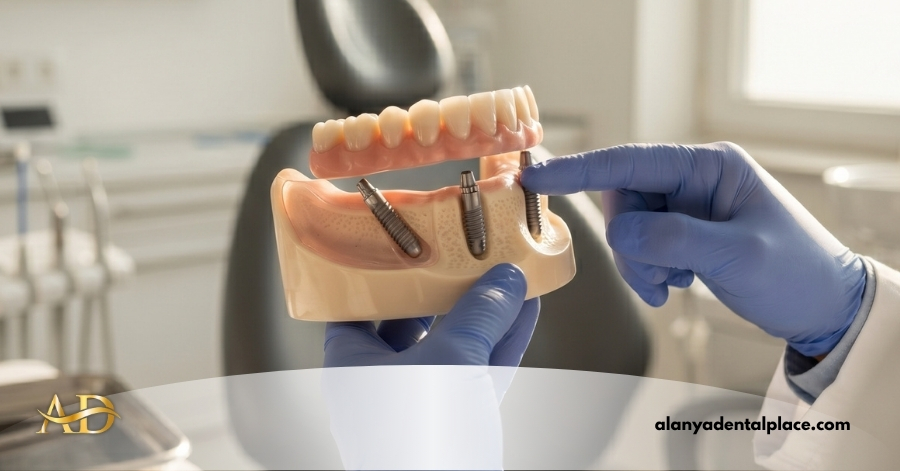
All-on-Six Implant Treatment is an effective dental treatment method that offers a permanent solution for edentulous areas. In this method, a prosthesis is secured using six implants. In other words, patients can have a full set of teeth with just six implants.
All-on-6 is a full-mouth rehabilitation technique for patients who are completely edentulous or have lost the majority of their teeth, in which all the teeth in one jaw are restored using a bridge fixed to six implants.
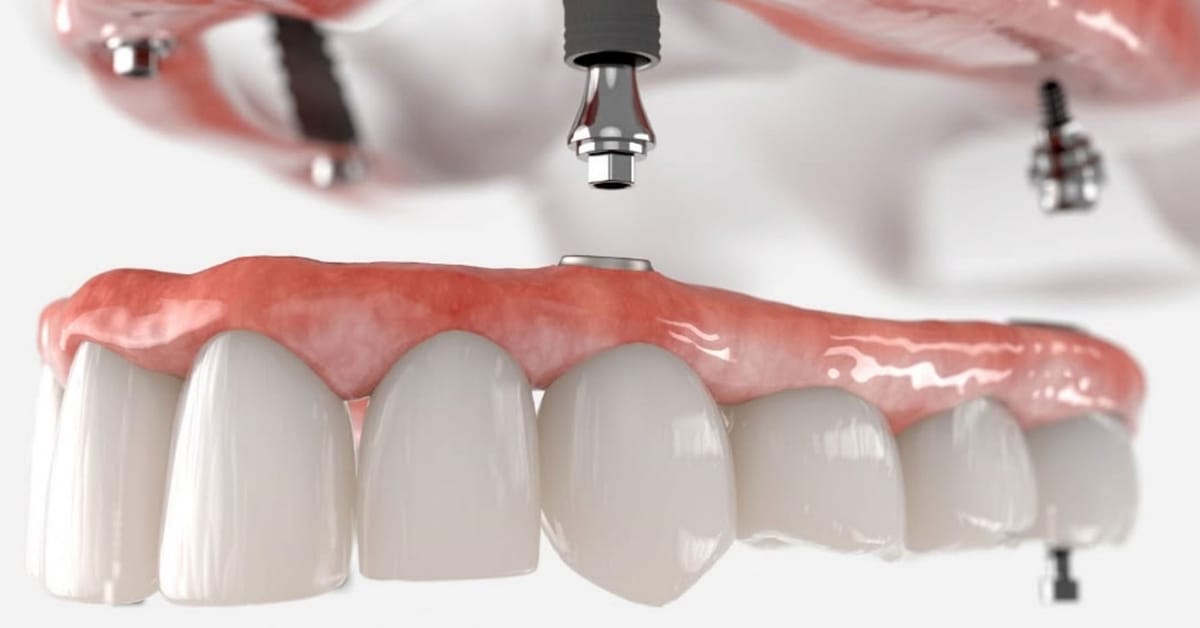
The name simply refers to supporting a full arch of teeth with six dental implants. A total of six implants are placed at strategic points and at specific angles: two in the front of the jaw, two in the middle and two at the back. These six points form a foundation that distributes the weight of the fixed bridge and the chewing forces over a wide area.
Many patients ask us about the differences between All-on-4 and All-on-6 before choosing the most suitable option.
2+2+2 Placement Logic
The key factor distinguishing All-on-6 from All-on-4 is not just the number of implants, but how these implants are distributed along the jaw. The two implants in the anterior region are placed at a right angle to the teeth, the two in the middle region at a slight angle, and the two in the posterior region at a more pronounced angle (to avoid sinus or nerve structures). This distribution shortens the unsupported extension (cantilever) at the rear ends of the bridge and ensures that more teeth are directly supported by the implants.
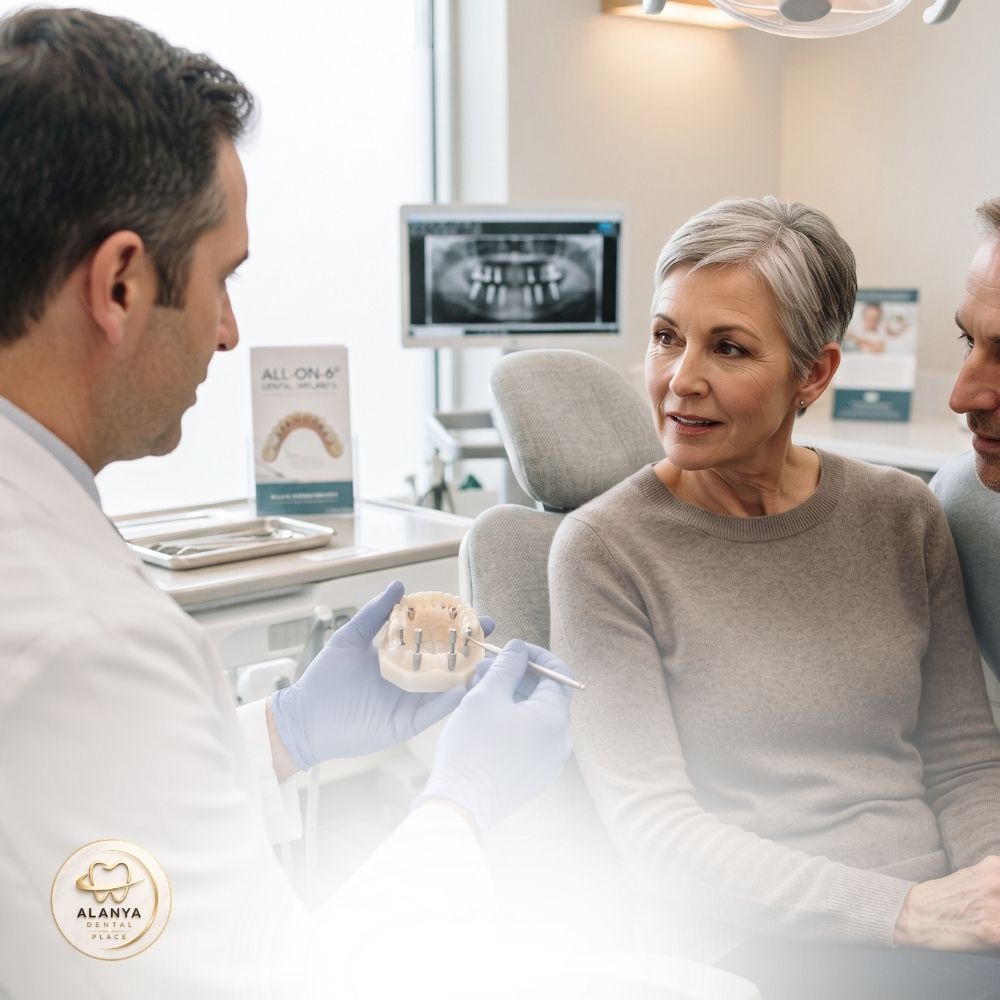
Is the All-on-6 treatment suitable for you? Let’s assess this using your X-rays.
Our Partners






Why You Should Consider This Treatment
Why Should You Have Full-Mouth Dental Implants?
Many people who have lost most or all of their teeth initially see removable dentures as a solution. However, whilst dentures may fill the gaps left by missing teeth, they do not protect the underlying jawbone — and over time, this becomes a much bigger problem than it appears.
The Jawbone ‘Wastes Away If Not Used’
Natural tooth roots stimulate the jawbone during chewing, helping to maintain bone volume. When a tooth is lost, this stimulus ceases and the bone begins to resorb over time. Removable dentures do not halt this process; they merely mask it. As the jawbone thins over the years, the dentures become looser, the lower half of the face sinks in, and the person begins to look older than they actually are. Implant roots, on the other hand, send a constant stimulus to the bone, just like a natural tooth root, thereby significantly slowing down this resorption.
Function: Not Just About Appearance
With a removable upper denture, the chewing force is significantly lower than that of natural teeth; hard or fibrous foods are usually completely excluded from the diet. With a fixed implant-supported bridge, the chewing force reaches levels close to those of natural teeth, and problems such as the denture shifting during speech or speech distortion are eliminated.
Bone Protection
Implants stimulate the jawbone, slowing down bone resorption and helping to preserve your facial contours over the years.
True Chewing Power
A fixed bridge provides significantly greater biting and chewing force than a removable denture.
Daily Freedom
Unlike removable dentures, a fixed implant bridge eliminates the need for denture adhesives and nightly removal.
Full-mouth implant treatment (whether All-on-4, All-on-6 or All-on-8) is not exactly the same solution for every patient; however, the common thread is this: they offer a permanent solution to replace lost teeth, not just in terms of appearance, but also in terms of function and bone health. Which protocol is right for you depends on your bone density and your expectations — which is why we have compared all the alternatives side by side below.
Contents
Get a Quote
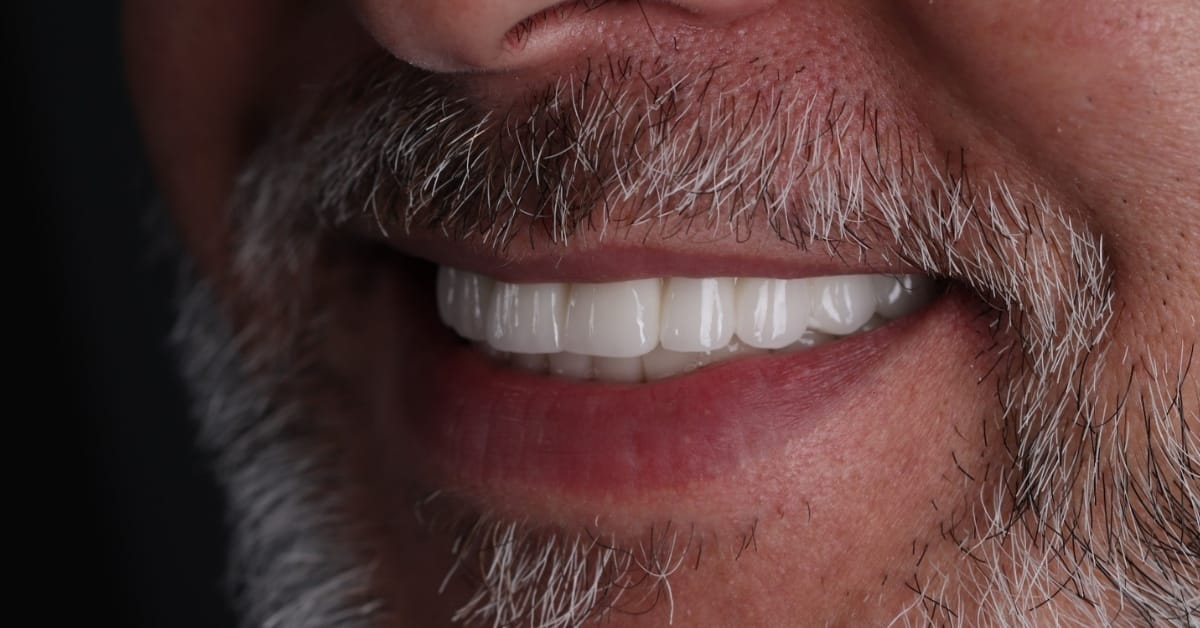
Who is the All-on-6 dental implant treatment suitable for?
The All-on-6 procedure requires slightly more and slightly denser bone than the All-on-4 procedure; consequently, the assessment of patient suitability is even more important in this case.
When is All on 6 a better choice than All on 4?
In the All-on-4 protocol, only 1–2 tooth units are permitted to extend unsupported (cantilever) behind the posterior implants; if more posterior teeth are required, this places an additional load on the bridge. In the All-on-6 approach, as two additional implants directly bear this load, it offers a safer design, particularly for patients who clench their teeth or who require a wider chewing surface. Furthermore, in a 6-implant structure, the loss of a single implant does not jeopardise the entire structure; by contrast, in a 4-implant structure, each implant is a critical component of the whole.
Who Requires a More Careful Assessment?
In patients with limited bone density, bone grafting or a sinus lift may be required in certain areas for the All-on-6 procedure; in such cases, the angled implant placement offered by the All-on-4 technique may be more suitable. Uncontrolled diabetes, severe osteoporosis or heavy smoking can complicate the healing process for both techniques. The final decision will be made following an assessment based on your CBCT scan.
Complete edentulism (upper, lower or both jaws)
Patients with adequate-to-good bone density
Patients with strong chewing force / bruxism
Those who want more dental support in the back of the mouth
Patients who have been advised that additional assessment is required due to reduced bone density.
How is All-on-6 Performed? Surgical Planning
The strength of the All-on-6 method lies in how the six implants are positioned along the jaw.
Digital Planning and Guided Surgery
At our dental clinic in Antalya, we carry out three-dimensional imaging using CBCT prior to surgery; this scan reveals your bone density and the positions of nerves and sinuses down to the millimetre. The position, angle and depth of the six implants are planned using computer software; a surgical guide, produced via 3D printing, then translates this plan directly into your mouth.
Same-Day Fixed Temporary Bridge
Provided that sufficient stability is achieved during the surgery, a fixed temporary bridge can be fitted over the implants on the same day. This means you will leave our clinic smiling, rather than toothless; you can carry on with your daily life using this temporary bridge whilst your permanent bridge is being prepared in the laboratory.
Fixed Bridge: How Many Teeth Does It Replace?
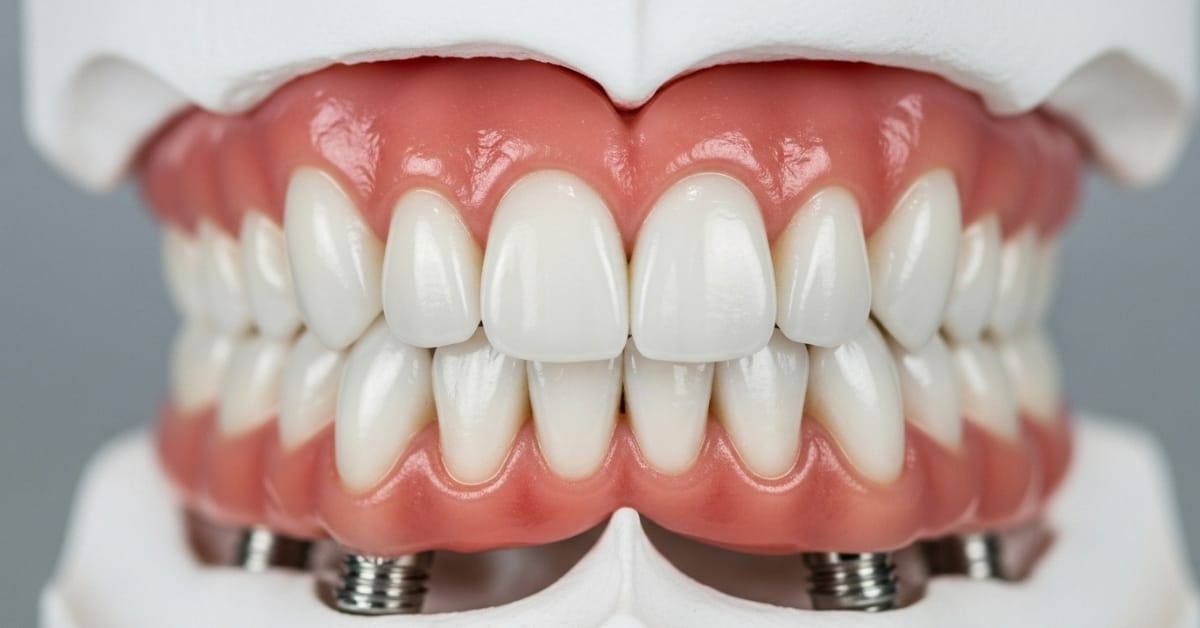
A full-arch bridge supported by six implants typically consists of 12–14 tooth units; this means that almost your entire chewing surface is supported by implants. The reduced cantilever in the posterior region ensures that these teeth are closer to the implants and better supported.
The All-on-6 Dental Implant Treatment Process
At our clinic in Antalya, the All-on-6 dental implant treatment proceeds in seven clearly defined stages.
You send your panoramic X-ray or CBCT scan via WhatsApp; our dentist will examine the condition of your bones and provide you with a preliminary assessment and an estimated price range.
When you arrive in Antalya, you will undergo a detailed oral examination and have a recent CBCT scan taken; the definitive answer to the question of whether to opt for All-on-4 or All-on-6 will become clear at this stage.
The positioning of the six implants is planned using computer software, and a 3D-printed surgical guide is produced.
If you have teeth that cannot be saved, they will be extracted during the same appointment, after which six implants will be placed in the planned positions.
Provided the situation is stable, your fixed temporary bridge will be fitted on the day of the operation.
You will return to your country or home; your implants will fuse with the jawbone over a period of 3–6 months.
During your second visit, your impressions will be taken, your zirconia or hybrid permanent bridge will be fitted, and your bite will be adjusted one final time.
Your first visit usually lasts 5–7 days, whilst your second visit lasts 5–7 days; there is a recovery period of 3–6 months between the two.
Let’s put together your personalised travel itinerary together.
4.7 🌟🌟🌟🌟🌟 +10,000 Reviews
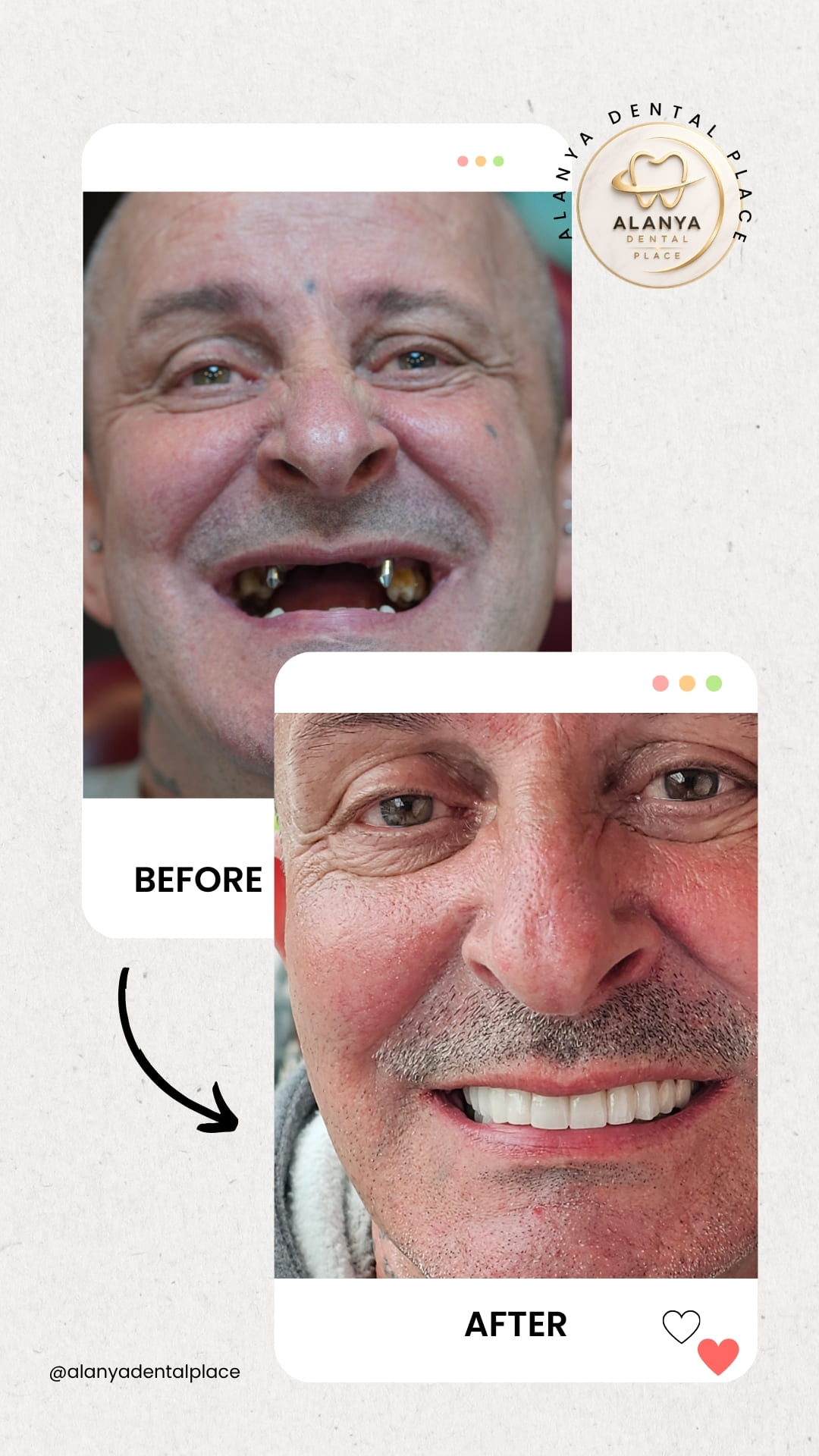
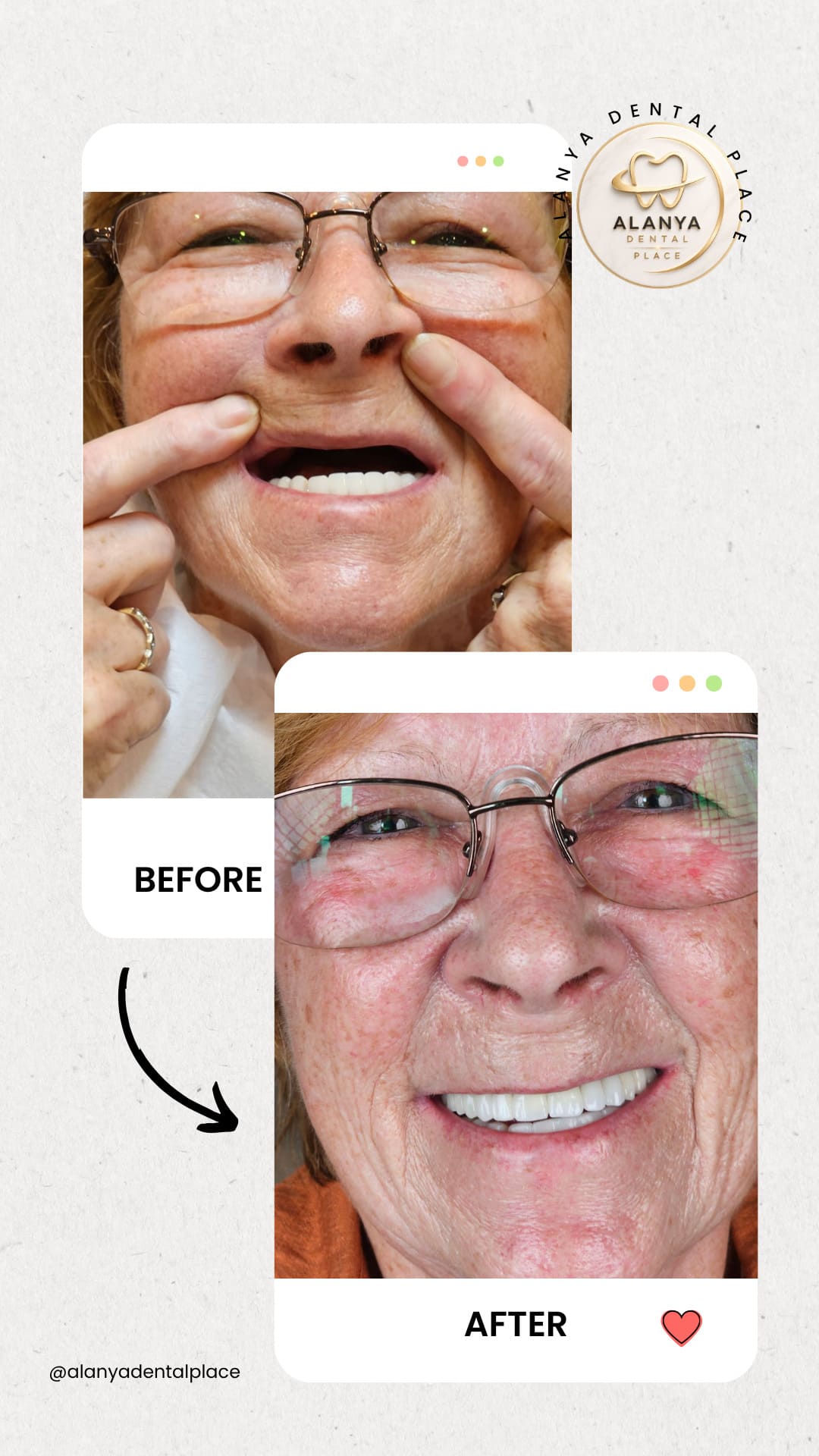
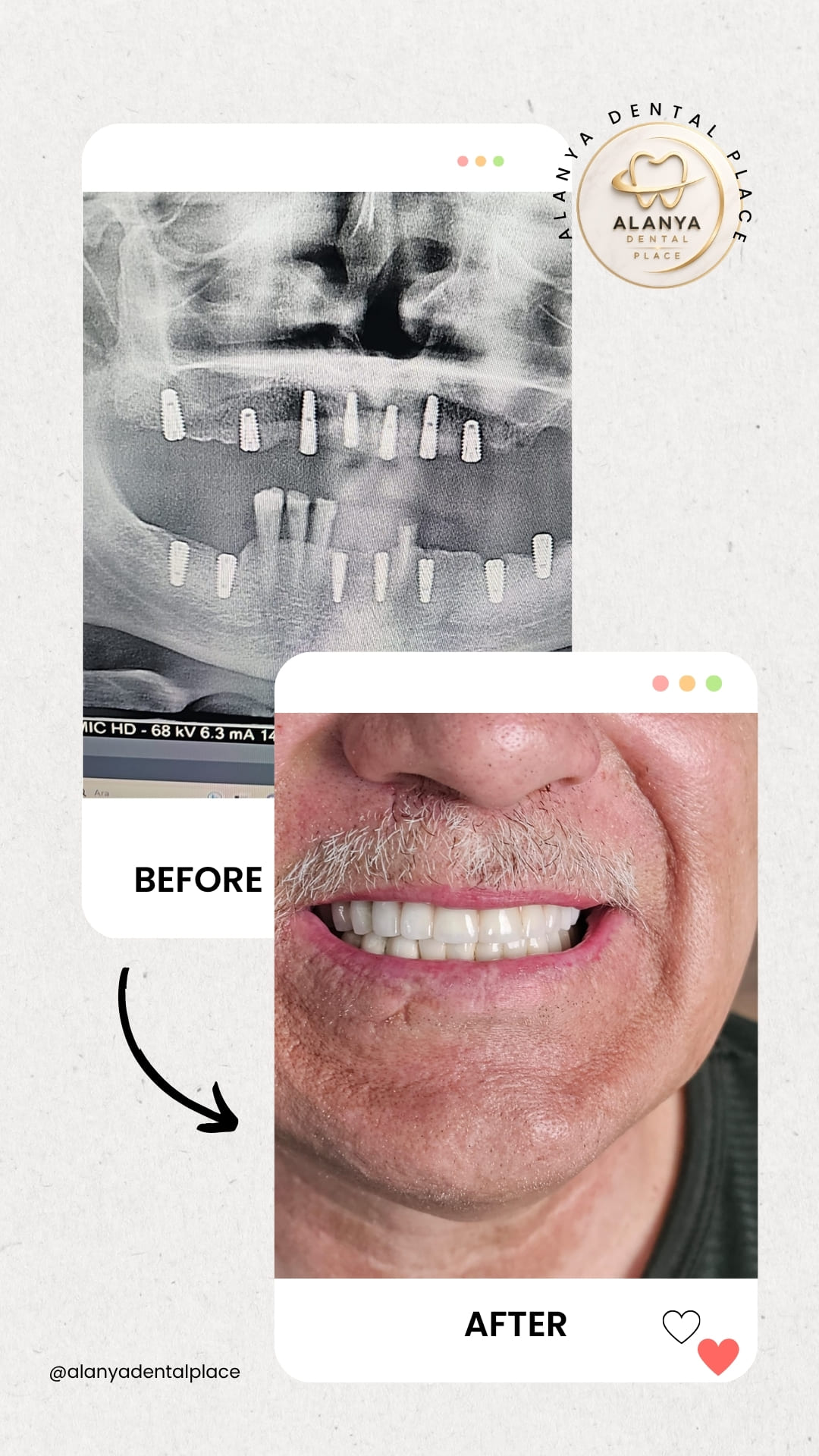
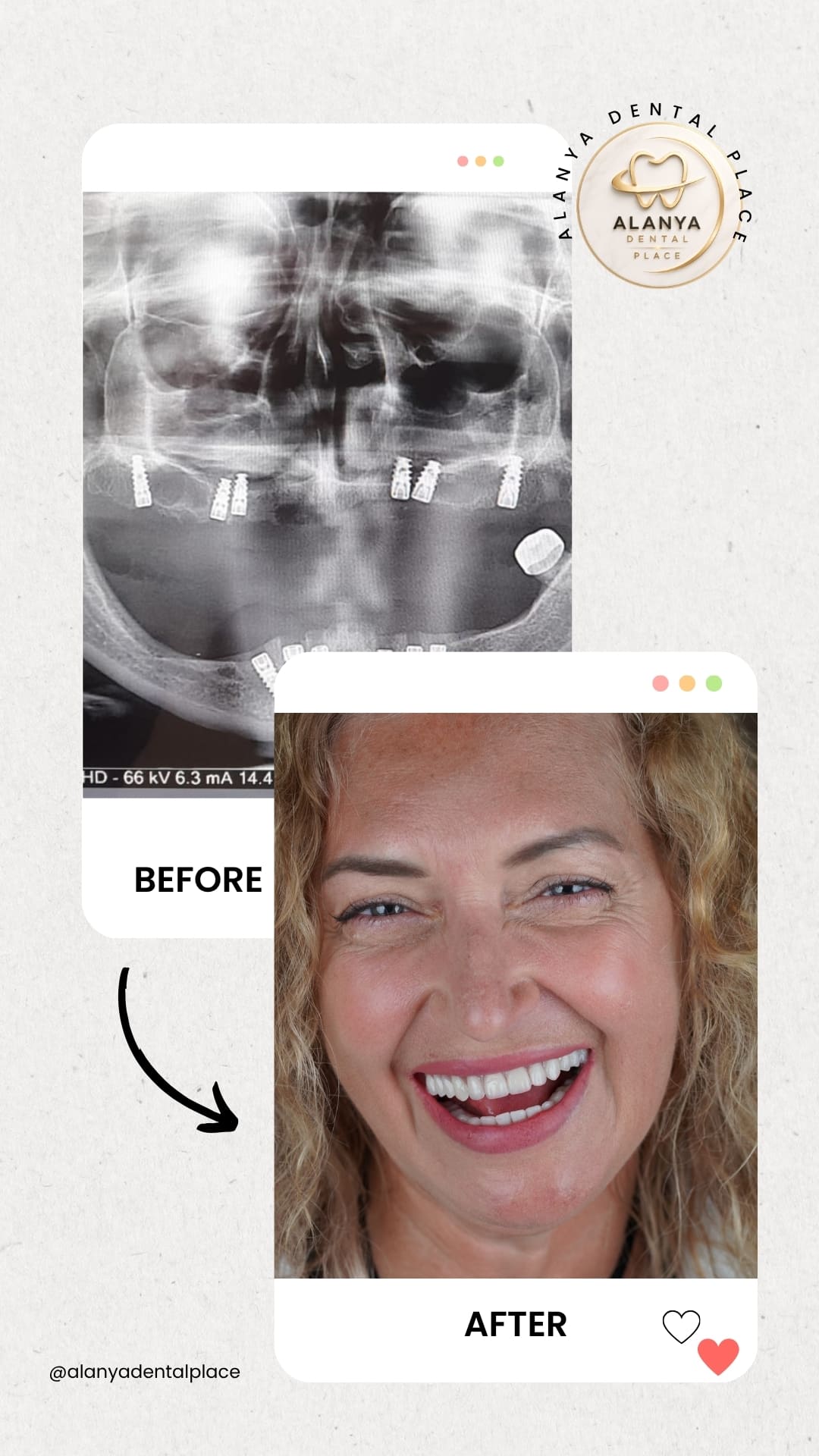
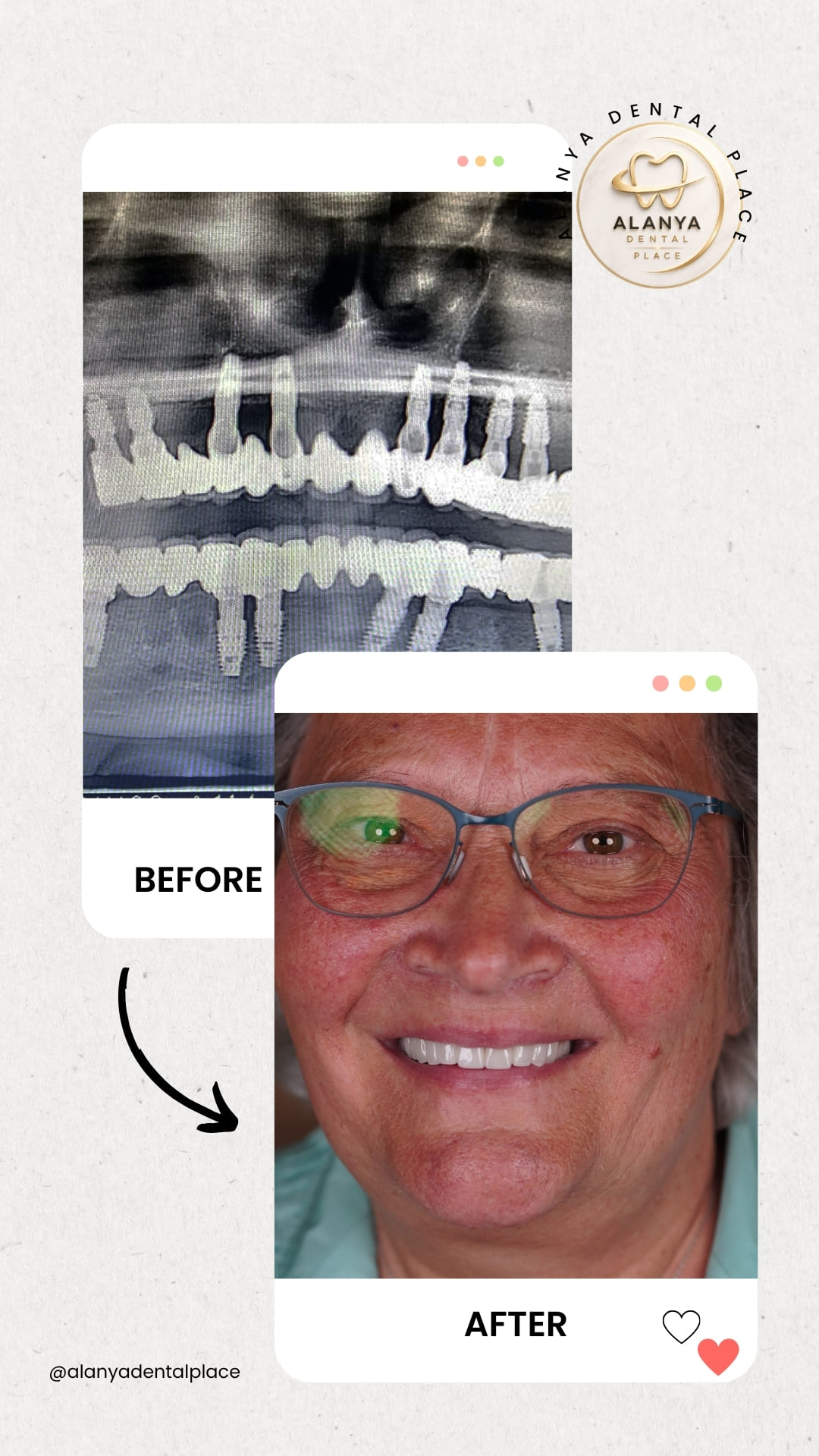
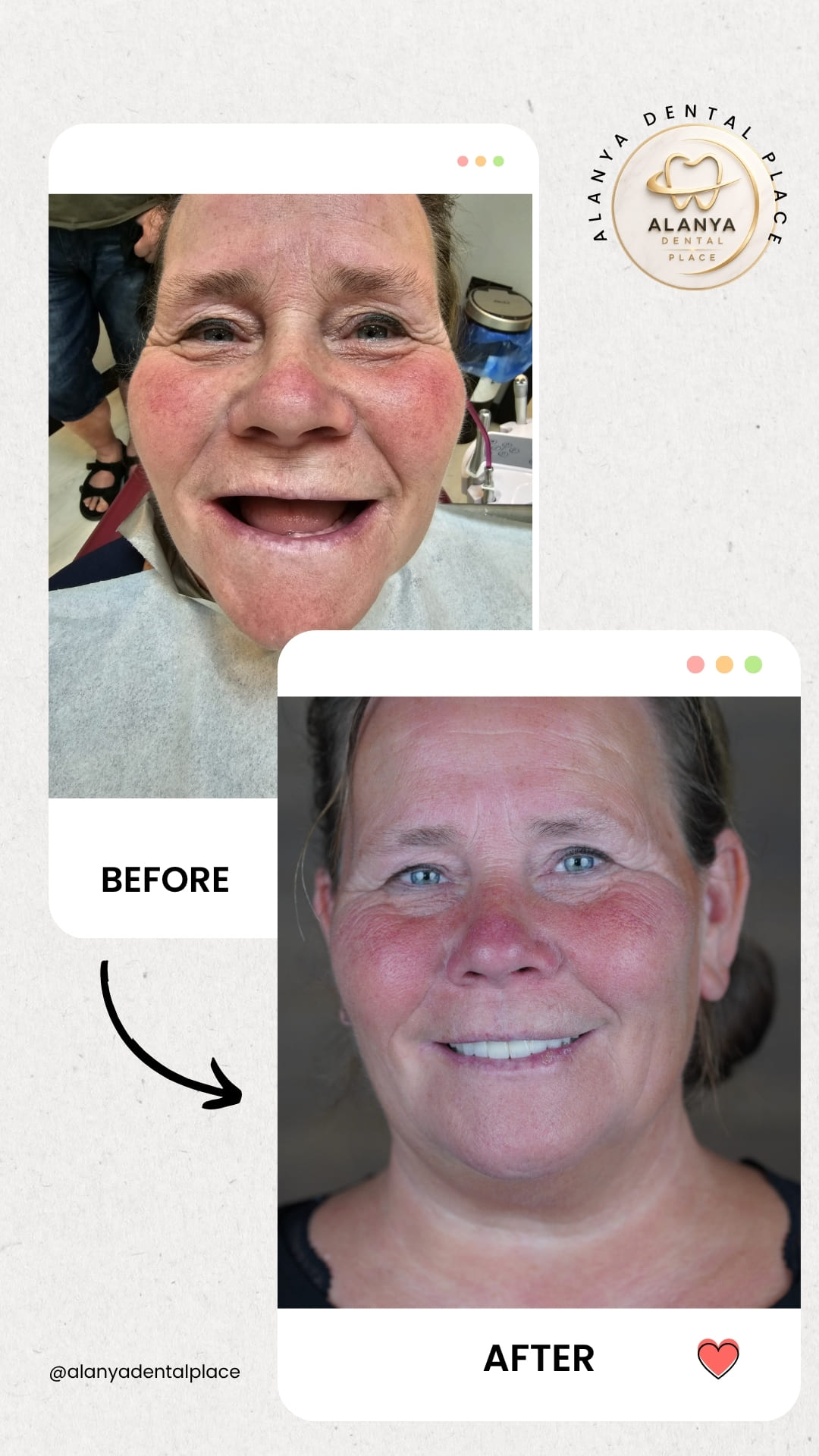
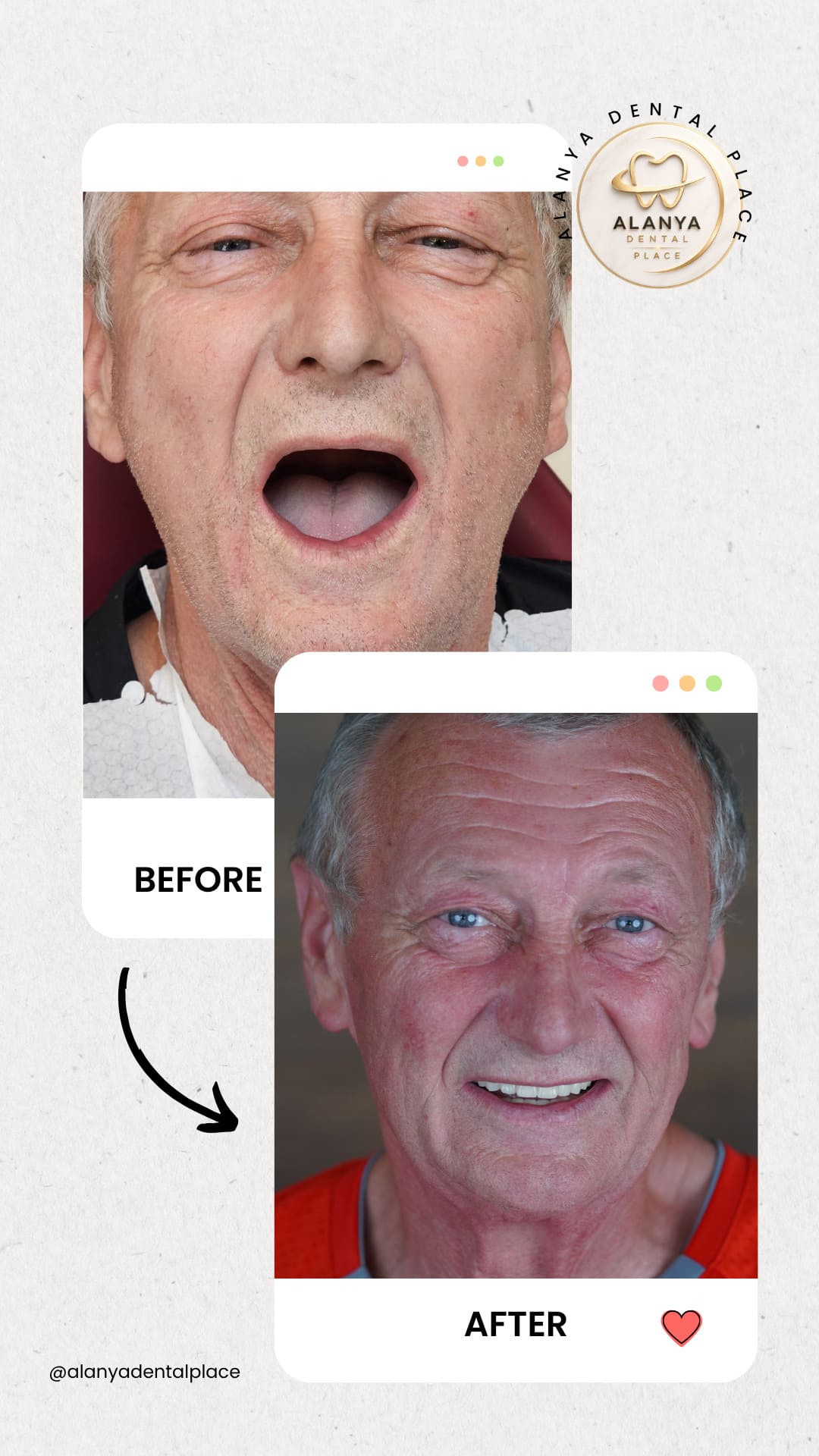
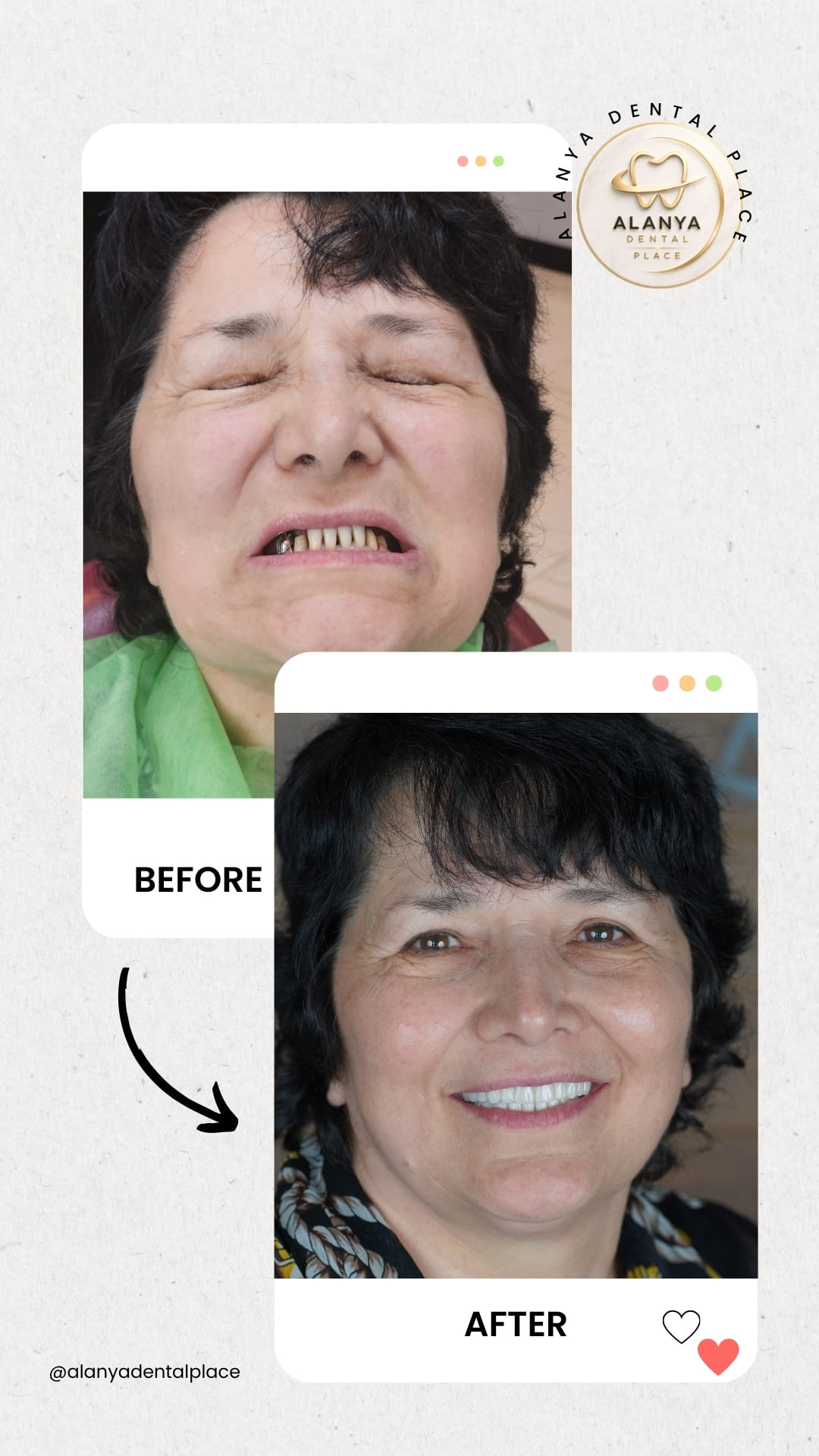
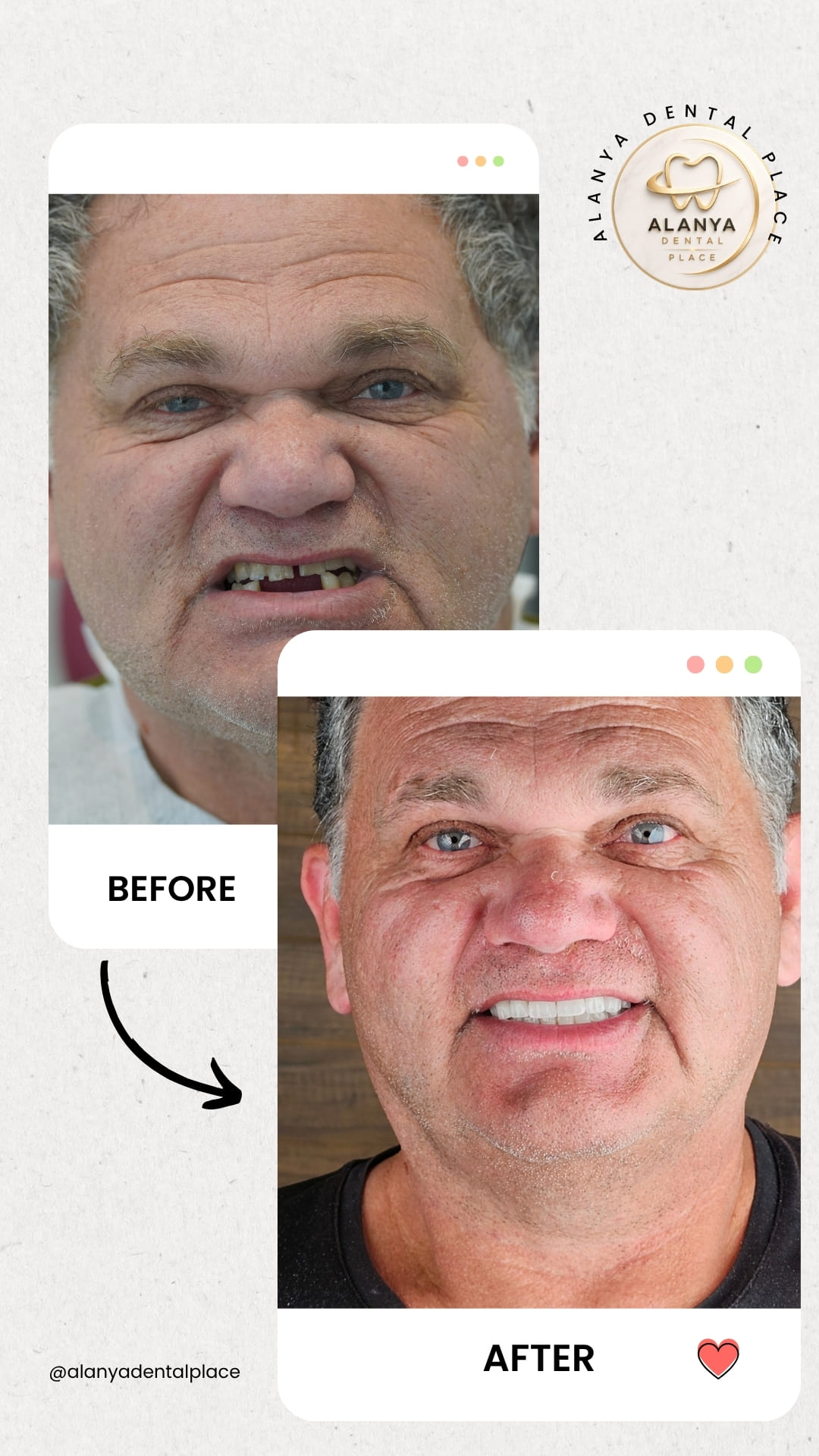
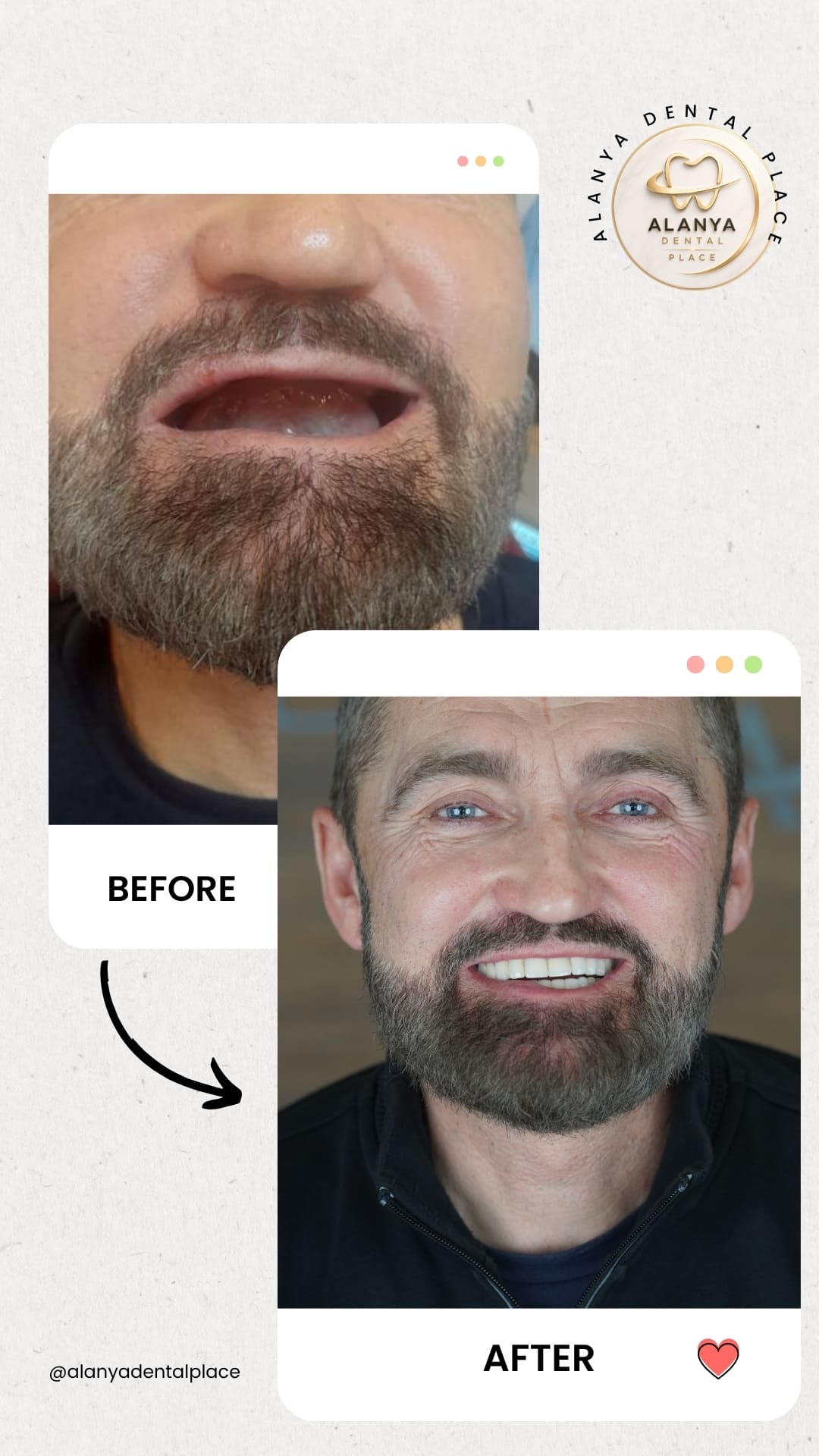
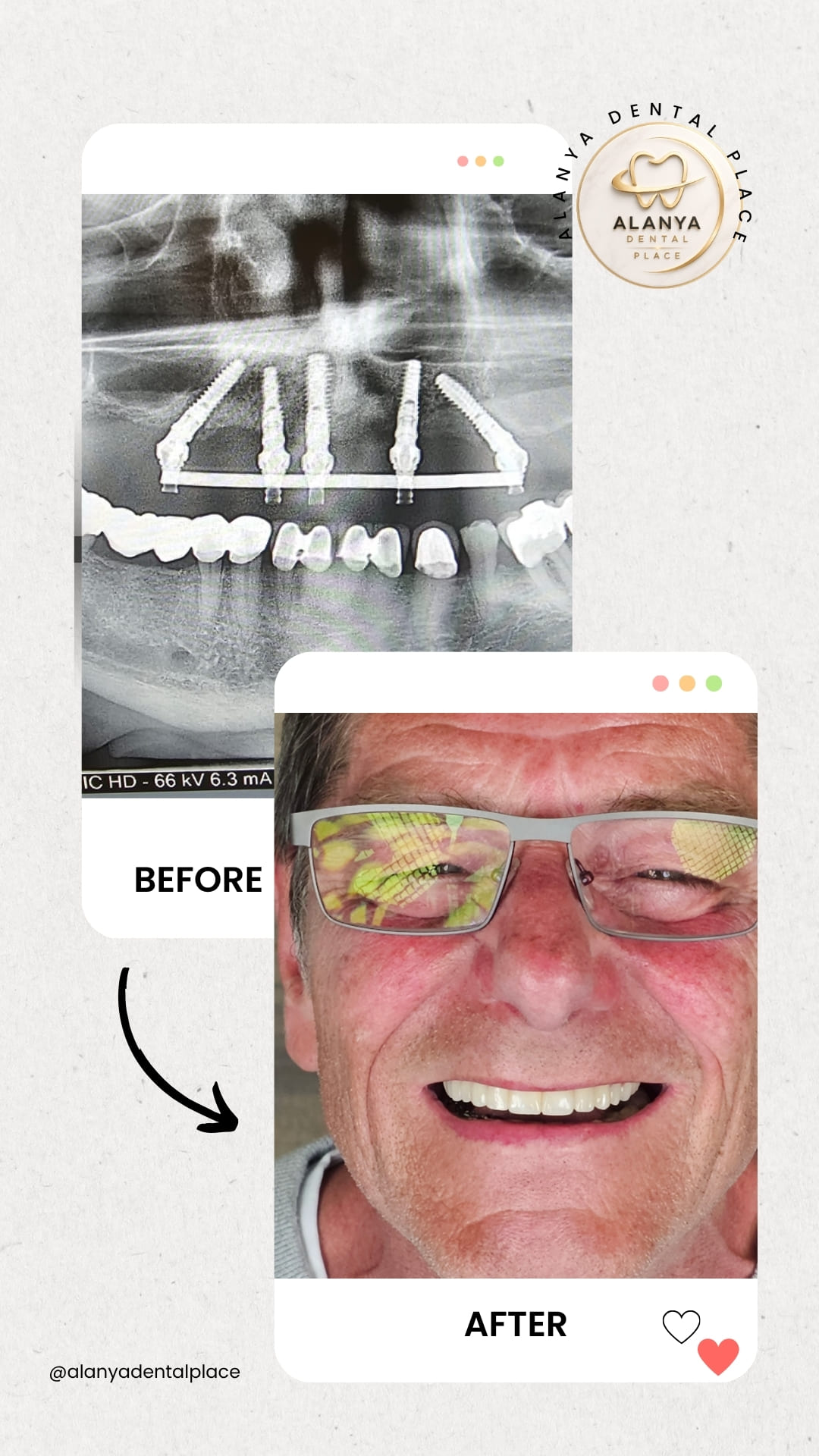
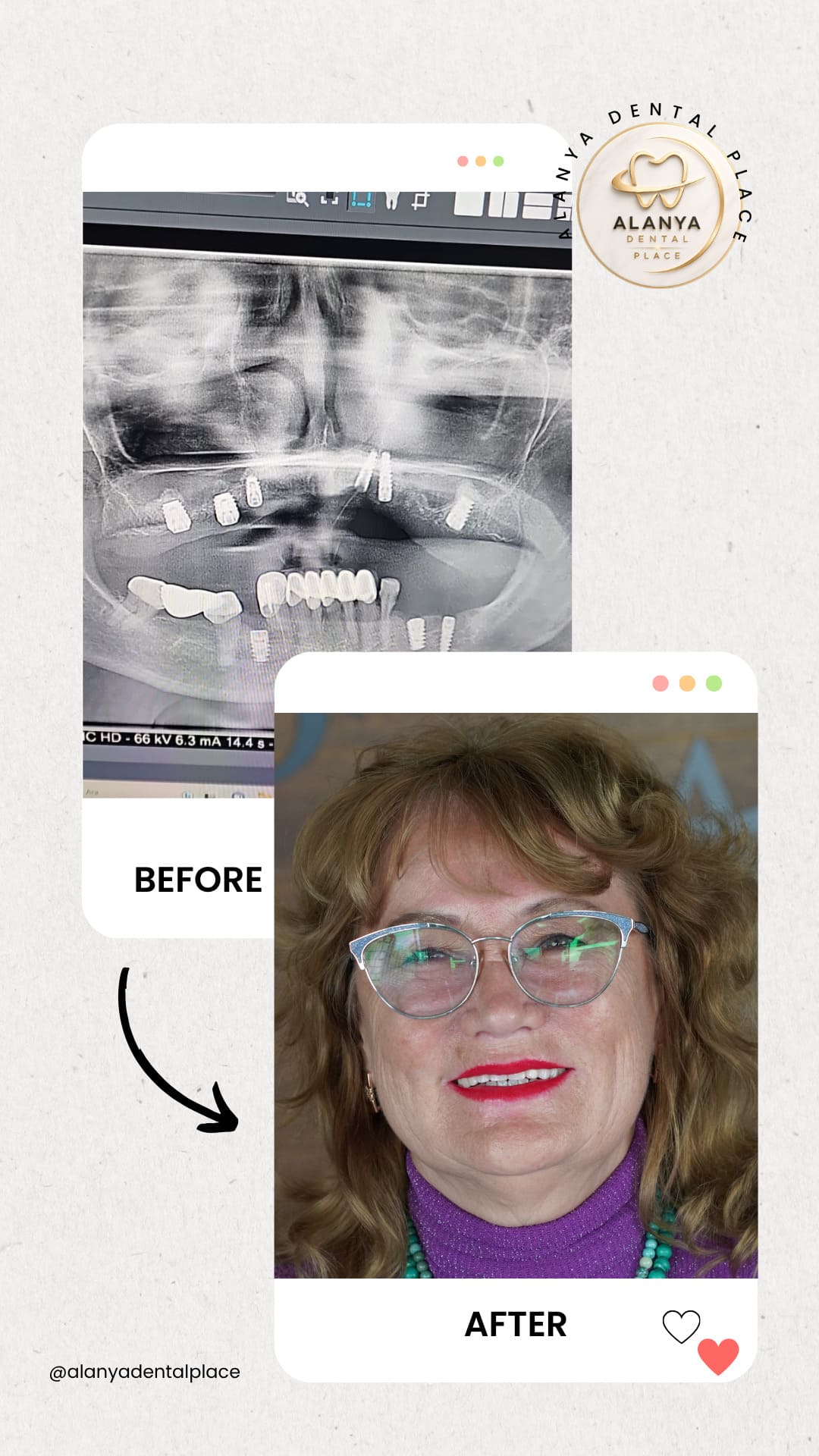
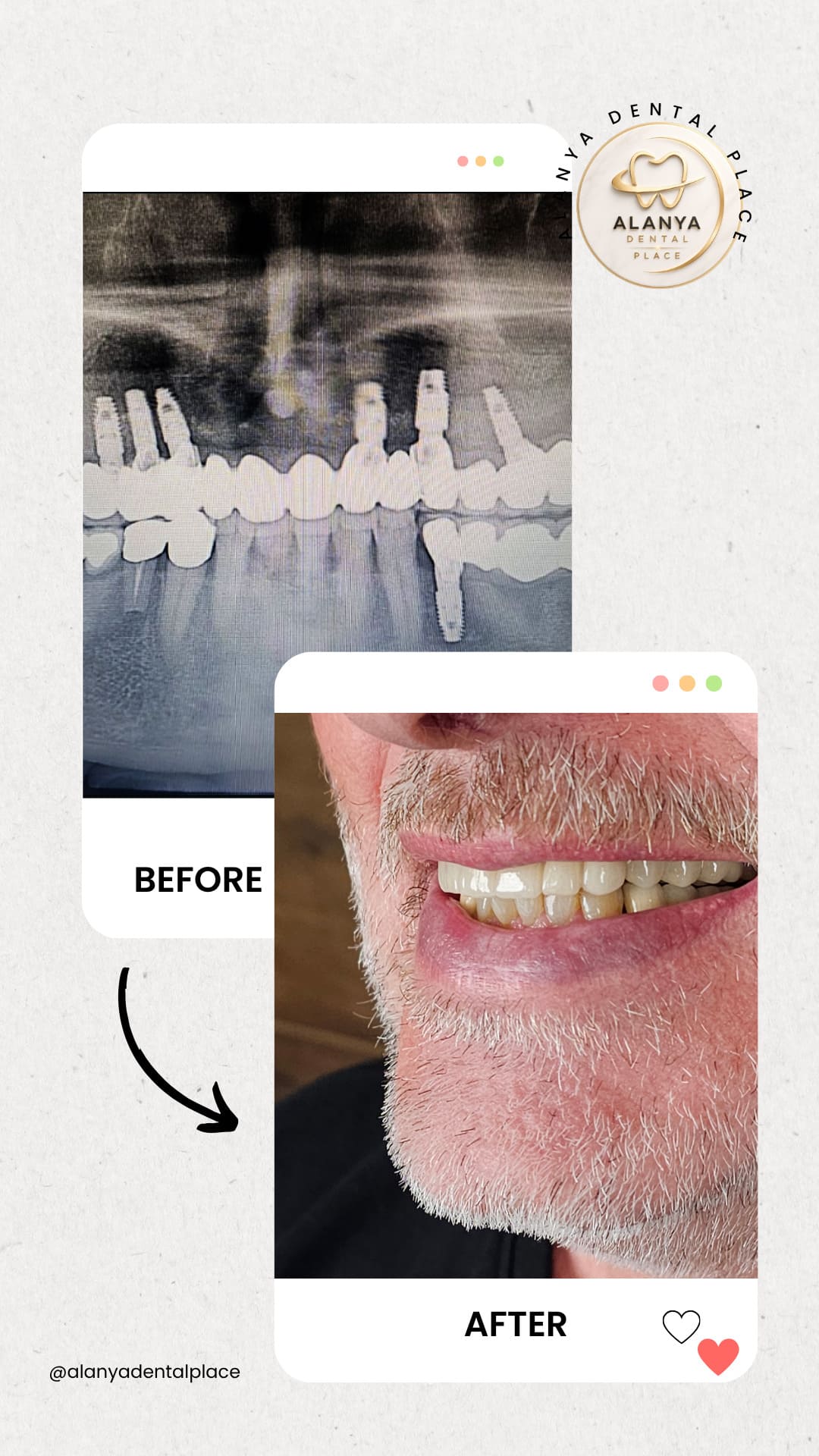
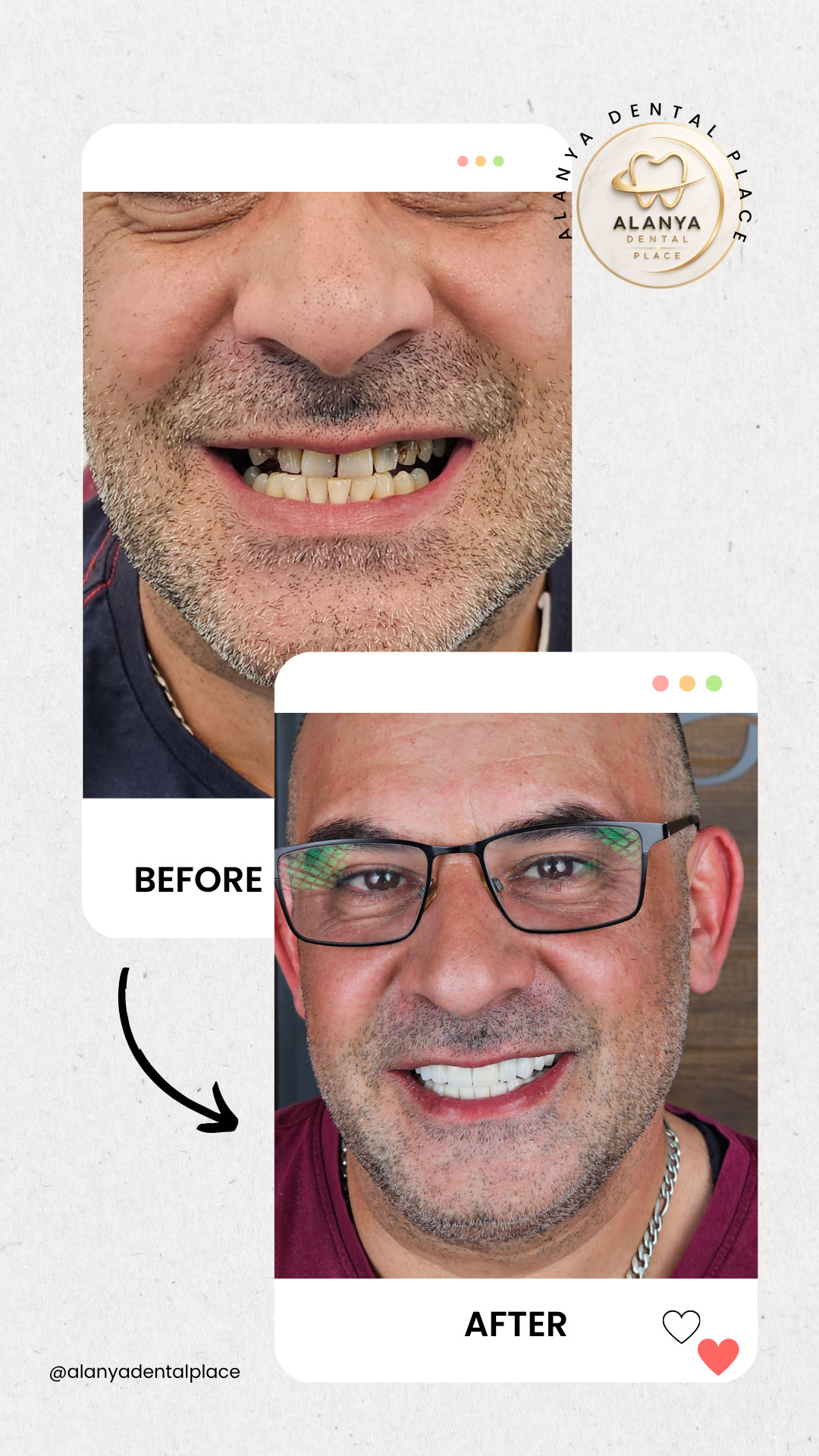
Before and After All-on-6 Dental Implants in Turkey
High success rate and natural-looking results




Brands of Implants Used
Brand
Country
Key Feature
Nobel Biocare
Switzerland
A pioneer in All-on-4® treatment protocols
Straumann
Switzerland
SLActive surface technology, rapid bonding
Osstem
South Korea
Extensive clinical database, good value for money
Medentika
Germany
High-precision manufacturing
All-on-6 Prices: How Much Does It Cost in Antalya?
According to current market data, the cost of All-on-6 treatment for a single jaw in Antalya ranges from approximately 4,000 to 6,500 euros; this is slightly higher than for All-on-4 due to the two additional implants, but is still well below European prices.
Antalya, Turkey (≈ €4,000–6,500)
Including the implant, surgery and temporary bridge
United Kingdom (≈ €14,000–20,000)
For implants of the same brand
Western Europe (average ≈ €15,000–25,000)
It varies from country to country
*Price ranges are general information compiled from current market data; a definitive quote will be provided following a CBCT/X-ray examination.
Factors Affecting Price
The main factors determining the total cost are: the brand of implant, the material used for the fixed bridge, the number of teeth that need to be extracted, and, in rare cases, bone grafting or sinus lift procedures.
Send us your X-ray and receive a clear quote within 24 hours.
Full-Mouth Implant Alternatives: Which One Is Right for You?
There is no single correct answer to the question “All-on-6, All-on-4, or another method?” — the right answer depends on your bone structure and your expectations. We have summarised all the main options side by side below.
Prices 70 per cent lower
All on 4
It is the fastest and most cost-effective full-mouth solution, using four implants and virtually eliminating the need for bone grafting. As only a limited number of teeth can be supported in the posterior region (due to the cantilever limit), All-on-6 may be a safer choice for patients with high chewing forces. We also cover the All-on-4 treatment in our own comprehensive guide page.
Number of Implants
4
The Most Suitable Situation
Low bone density, the quickest/most cost-effective option
All on 6
As detailed above, it offers a wider support area and greater support for the posterior teeth with six implants. It can be regarded as a balanced middle ground between All-on-4 and All-on-8, in terms of both stability and cost.
Number of Implants
6
The Most Suitable Situation
Sufficient bone, stronger chewing and an extra margin of safety
All on 8
This protocol, which utilises eight implants, offers the highest durability and the widest load distribution; it is generally preferred for patients with a very wide arch or extremely high bite force. It is more expensive than the All-on-6 method and is not necessary for every patient. We will also discuss the All-on-8 treatment in detail on a separate guide page.
Number of Implants
8
The Most Suitable Situation
Maximum durability, wide arc or very high bite force
Zygomatic Implant
Bone loss in the upper jaw can be so severe that even the All-on-4 technique cannot be performed, despite the use of angled implants. In such cases, zygomatic implants come into play: these implants, which are significantly longer than standard implants, are anchored into the cheekbone (zygoma) rather than the jawbone. As the zygomatic bone is dense and strong, it provides a stable solution without the need to wait for a bone graft. This is a specialised technique requiring advanced surgical expertise and is not performed in every clinic.
Number of Implants
2–4 (to the zygomatic bone)
The Most Suitable Situation
Severe bone loss in the upper jaw, cases where even the All-on-4 technique cannot be used
Conventional Implant
This is the traditional approach, in which a separate plan is drawn up for each tooth. As it involves the use of more implants, it generally requires more bone grafting and a longer treatment period. It remains a valid option for patients who are not pressed for time and prefer a phased treatment programme.
Number of Implants
8-10
The Most Suitable Situation
Cases where tooth-by-tooth planning is required and there are no time constraints
Removable Dentures
It remains an option for patients who are not suitable for surgery or whose budget does not allow for implant treatment. However, as discussed above, it does not preserve the jawbone, chewing strength is limited, and it requires more maintenance and replacement over time.
Number of Implants
0 (without implants)
The Most Suitable Situation
Patients who are not suitable for surgery or who have a very limited budget
All-on-6: Risks, Success Rate and Durability
We believe it is important to clearly explain the realistic risks associated with the All-on-6 procedure.
In published clinical follow-up data, the long-term success rate of full-arch implant treatments is generally reported to be over 90 per cent in 10–15-year follow-ups. Potential complications include osseointegration failure, peri-implantitis (inflammation around the implant) and, rarely, problems relating to the sinus region. The six-implant structure of the All-on-6 system generally allows the bridge to be preserved with a temporary solution even if one of the implants fails — this provides a significant safety margin compared to four-implant structures.
Factors contributing to success
Adequate bone density, regular oral hygiene, a smoke-free lifestyle, well-managed diabetes, and precision surgery using digital planning.
Factors that increase the risk
Heavy smoking, uncontrolled diabetes, untreated gum disease, irregular dental care and bruxism.
Our All on 6 Service at Our Dental Clinic in Antalya
At Alanya Dental Place, we do not view the All-on-6 treatment as a single surgical procedure; we plan it as a complete journey, from your initial consultation right through to the fitting of your permanent bridge.
What do we offer?
CBCT imaging and the production of digital surgical guides are carried out within our clinic
On the same day, a fixed temporary bridge is fitted; in suitable cases, this is done on the day of surgery
Implant options from Nobel Biocare, Straumann, Osstem and Medentika, Notch, Megagen
Airport transfers, accommodation recommendations and interpreting services
The option to upgrade to a zirconium bridge on your second visit
Long-term follow-up via our digital communication channels following treatment
Why Should You Have All-on-6 Treatment in Antalya?
Antalya is a medical tourism centre with a high volume of cases in the field of implantology and many years’ experience in treating international patients. In treatments such as ‘All on 6 dental implants turkey’, which involve multiple implants and require precise surgical planning, this experience is directly reflected in the outcome.
The two-visit structure of the treatment naturally aligns with Antalya’s holiday opportunities: whilst the surgery is carried out during your first visit, you can combine your second visit—3–6 months later—with a short holiday to enjoy the Mediterranean. We also provide the same standard of service and transport arrangements for our patients in Alanya.
Frequently Asked Questions About All-on-6
We have compiled the most frequently asked questions from our patients in Antalya and those most commonly searched for on search engines.
All-on-6 is a procedure in which all the teeth in a jaw are restored using a bridge fixed to six implants. A total of six implants—two at the front, two in the middle and two at the back—are placed at strategic angles, and a fixed full-arch bridge is constructed on top of them.
The key difference lies in the number of implants and the load distribution. All-on-4 requires less bone and is quicker and more cost-effective; however, only a limited number of teeth can be supported in the posterior region. All-on-6, thanks to two additional implants, offers a wider support area, greater support for posterior teeth and a greater margin of safety in the event of implant loss. Which option is suitable depends on your bone density.
All-on-8 offers the highest durability and the widest load distribution with two additional implants; it is generally preferred for patients with a very wide dental arch or excessively high bite forces. For most patients, All-on-6 provides sufficient stability; All-on-8 is considered more for specific cases.
The All-on-6 procedure requires a certain minimum bone density; if bone loss is very severe, a bone graft may be required first, or the angled placement of the All-on-4 procedure may be more suitable. In cases of very severe bone loss in the upper jaw, the zygomatic implant option is considered. The exact situation will be clarified by your CBCT scan.
It is suitable for patients who are completely edentulous, have adequate to good bone density, and require greater chewing force or an extra margin of safety. Those with a habit of bruxism (teeth grinding) and those seeking greater dental support in the posterior region are also among the groups who frequently opt for this treatment.
As the procedure is carried out under local anaesthetic, no pain is felt during the procedure; sedation may also be offered on request. Mild swelling and tenderness lasting a few days after the procedure are normal and can be managed with prescribed painkillers.
The treatment is completed over two separate appointments. During your first appointment (5–7 days), the surgery is carried out and your fixed temporary bridge is fitted. Following a recovery period of 3–6 months, your permanent bridge is fitted during your second appointment (5–7 days).
The main factors determining the price are the brand of implant, the material used for the fixed bridge, the number of teeth to be extracted and, in rare cases, the need for a bone graft or sinus lift. In Antalya, the general market range for a single jaw is around 4,000–6,500 euros.
Two additional implants, the extra surgical time and, in some cases, the additional preparation required (bone grafting/sinus lift) mean that the cost of All-on-6 is slightly higher than that of All-on-4. In return, it offers a wider support area and an extra margin of safety; which option is ‘worth it’ for you depends on your individual priorities.
The difference does not stem from the quality of the implant brand; it is due to labour costs, clinic operating expenses and favourable exchange rates. Well-established clinics in Antalya use the same brands—such as Nobel Biocare and Straumann—as those used in Europe and the US.
With proper care and regular check-ups, implants can last for 15–20 years or even longer. Published clinical follow-up data generally report a success rate of over 90 per cent for full-arch implant treatments over a 10–15-year period. If the bridge is made of zirconium, the lifespan is usually even longer.
In a small percentage of cases, the implant may not fully integrate with the bone, or peri-implantitis may develop. The All-on-6 system, which uses six implants, generally allows the bridge to be preserved even if one of them fails — this is a significant advantage over the All-on-4 system.
Compared to All-on-4, the need for bone grafting or sinus lifting may be slightly more common in some cases with All-on-6, as a greater volume of bone is required to accommodate more implants. However, in most patients with sufficient bone density, no additional surgery is required.
We use brands such as Nobel Biocare, Straumann, Osstem, Megagen, Neodent and Medentika, which are backed by international clinical data. The brand selected will be specified in writing in your treatment plan.
An acrylic/hybrid bridge is a more economical initial option; a monolithic zirconia bridge, on the other hand, offers greater durability and a more natural appearance. Most of our patients choose to start with a hybrid bridge in the first stage and upgrade to zirconia at their second appointment.
During the first week, completely soft foods such as yoghurt, soup and purées are recommended. Between weeks 2 and 12, soft meat and cooked vegetables are gradually introduced. After three months, with the doctor’s approval, the child transitions to a balanced and normal diet.
For daily care, the use of special implant interdental brushes and a water flosser is recommended. A professional implant check-up every six months is important for detecting any potential problems at an early stage.
The implant brand used comes with its own manufacturer’s warranty; we will provide you with the scope and terms of the warranty offered by our clinic in writing during your initial consultation. The warranty usually requires you to attend regular check-up appointments.
Sources
The general information on dentistry on this page has been compiled from the following international and official sources. For treatment-specific decisions, please ensure you consult a dentist.
T.C. Sağlık Bakanlığı – Sağlık Turizmi Dairesi Başkanlığı
The content on this page is for general information purposes only and does not constitute definitive medical advice; no 100% guarantee of results can be given for any surgical procedure. Please ensure you consult a dentist for a diagnosis and treatment plan tailored to your specific needs.
You’re Just One Step Away from a Lasting Smile
Let’s Start Your All-on-6 Treatment in Antalya
Send us your panoramic X-ray or CBCT scan, and we’ll prepare your eligibility assessment and a clear price quote within 24 hours.