Mini Dental Implants in Turkey
For patients who have been told that standard implants cannot be fitted due to insufficient bone volume, those who are anxious about surgery, or those seeking a quick recovery, mini dental implants are one of the minimally invasive solutions most frequently recommended by our clinic. In Antalya and Alanya, we offer same-day placement and, in most cases, same-day loading.
Prices for mini dental implants; almost 70% cheaper than in European countries.
- Lower cost
- Short recovery time

A mini implant does not simply mean a ‘small implant’, but rather an ‘implant designed for a different indication’. At our clinics in Alanya and Antalya, we assess each patient’s bone volume, occlusion and prosthetic requirements to determine, based on scientific criteria, whether a mini implant or a standard implant is more suitable.
What is a mini dental implant in Turkey? How does it differ from a standard implant?
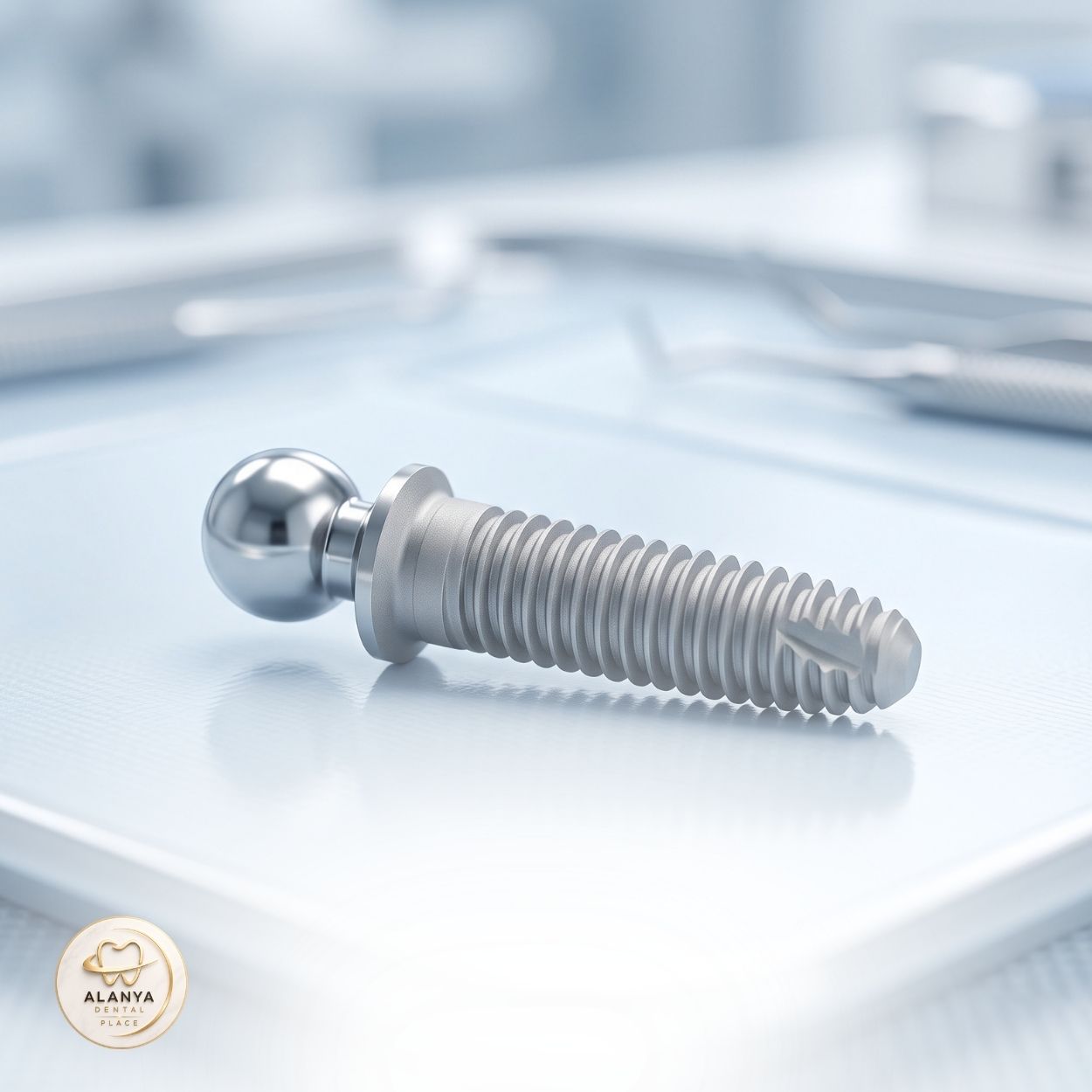
Mini dental implants — or MDIs for short — are narrow-diameter implant systems made from a single-piece titanium alloy, with diameters ranging from 1.8 mm to 2.9 mm. Whilst the diameter of standard implants typically ranges from 3.5 mm to 5 mm, mini implants are significantly smaller. Their compact size allows them to be placed in thinner bone, shallower alveolar ridges, or interdental spaces that are too narrow to accommodate standard implants.
From a structural perspective, standard implants are usually designed as two-piece systems: the fixture and the abutment are fitted separately. Mini implants, on the other hand, are almost without exception manufactured as single-piece units; the fixture and the abutment are milled from the same metal block.
This difference directly affects both the placement protocol and the approach to long-term maintenance. Patients in Turkey considering mini dental implants should not make a decision without understanding the difference between these two systems — because using the wrong type of implant in the right place is just as critical as using the right type of implant in the right place.
The brands of mini dental implants we work with that are CE-certified






Mini Implant Size and Technical Specifications
In the most commonly used mini-implant systems on the market, diameters are categorised as 1.8 mm, 2.1 mm and 2.4 mm. Lengths are generally available in 10 mm, 13 mm and 15 mm options; selecting the longest option based on the available bone height enhances primary stability and the success of osseointegration. The surface of the titanium alloy (Ti-6Al-4V or Grade 4 pure titanium) is acid-etched in some systems, maximising the bone-implant contact area and biological adhesion.
Who Are Mini Implants Suitable For? Criteria for Suitable Candidates
Not every patient is a suitable candidate for mini dental implants; however, it is important to remember that not every patient needs to be ‘ready’ for a standard implant. The candidate criteria established by centres in Turkey that specialise in mini dental implants are generally as follows:
Cases where the bone width is < 5 mm
Limited depth due to proximity to sinuses or nerves
People aged 65 and over for whom major surgery is not recommended for systemic reasons
Patients who wish to have a removable full denture fitted
Cases Where Mini Implants Are Not Suitable
In cases involving high masticatory loads in the posterior region (molars), mini-implants alone may not be sufficient. Active periodontal disease, uncontrolled diabetes and the use of medications that affect bone metabolism (bisphosphonates) are factors that must be assessed prior to mini-implant placement. Our clinic in Antalya approaches every case with a CBCT scan and a comprehensive systemic assessment.
Contents


Mini Implant Success Rates: The Real Picture in Figures
The question most frequently asked by patients researching mini dental implants in Turkey is: ‘Do mini implants really work?’ The answer, according to the scientific literature, is quite convincing. We want to inform you not with clichéd marketing phrases, but with real clinical data.
In a 10-year follow-up study published in PubMed in 2024, all 56 mini implants with a diameter of 1.8 mm placed in an atrophic mandible remained in place. In the same study, the average marginal bone loss over 10 years was measured at just 1.12 mm — a figure comparable to that found in the vast majority of standard implant studies. Meanwhile, a retrospective study tracking 334 mini-implants in 83 patients for up to 15 years reported a cumulative survival rate of 86%.
In conclusion, mini implants are a treatment option with a strong scientific basis that delivers long-term success when used for the right indications in the right patients. When the cost of mini implants in Alanya and Antalya is considered alongside these success rates, the value offered is highly satisfactory from both a clinical and economic perspective.
Advantages of Mini Dental Implants: Why Choose Them?
Minimally Invasive Surgery — No Incisions, No Stitches
In standard implant surgery, a gum flap is lifted, the bone is drilled, the flap is closed again and sutures are applied. In mini-implant procedures, however, a flapless trans-gingival (without cutting the gum) approach is used in most cases. A small pilot hole is drilled and the implant is inserted into the bone by twisting it like a screw. Result: bleeding is minimised, swelling is virtually non-existent, and recovery is limited to a few days. For working patients and holidaymakers considering mini implants in Alanya and Antalya, this speed offers a significant advantage.
Same-Day Dentures
One of the most notable features of mini implants is that the prosthesis can be fitted on the same day provided there is high primary stability. In particular, in cases involving the stabilisation of full dentures in the lower jaw, patients are able to leave the clinic on the day of surgery with functional, fixed teeth. The vast majority of international patients coming to Turkey for dental treatment opt for this protocol.
More Cost-Effective
Mini dental implants are more cost-effective than standard implants in terms of both materials and surgical complexity. In Turkey, the cost of mini dental implants is significantly lower than the fees charged in Europe and North America. When considered within the context of dental tourism, the cost of mini implants in Alanya remains extremely competitive, even when travel and accommodation expenses are factored in.
Applicability in Cases of Narrow Bone Ridges
Whilst a standard implant requires a minimum bone width of 5–6 mm, as little as 3 mm may be sufficient for a mini implant. This feature allows patients who wish to avoid bone expansion (horizontal augmentation) surgery, or who are not suitable for this procedure, to be treated directly. For this reason, mini implants are frequently chosen in Antalya as an implant option for thin bone without the need for bone grafting.
Safe Use in Elderly Patients and Those with Systemic Diseases
Whilst advanced age, controlled diabetes, cardiovascular disease or the use of anticoagulants may make standard implant surgery risky, the minimally invasive nature of mini implants offers a lower surgical risk profile for these groups. The use of mini implants in patients aged 65 and over at our clinic in Antalya has yielded particularly favourable results — a finding that is consistent with the international literature.
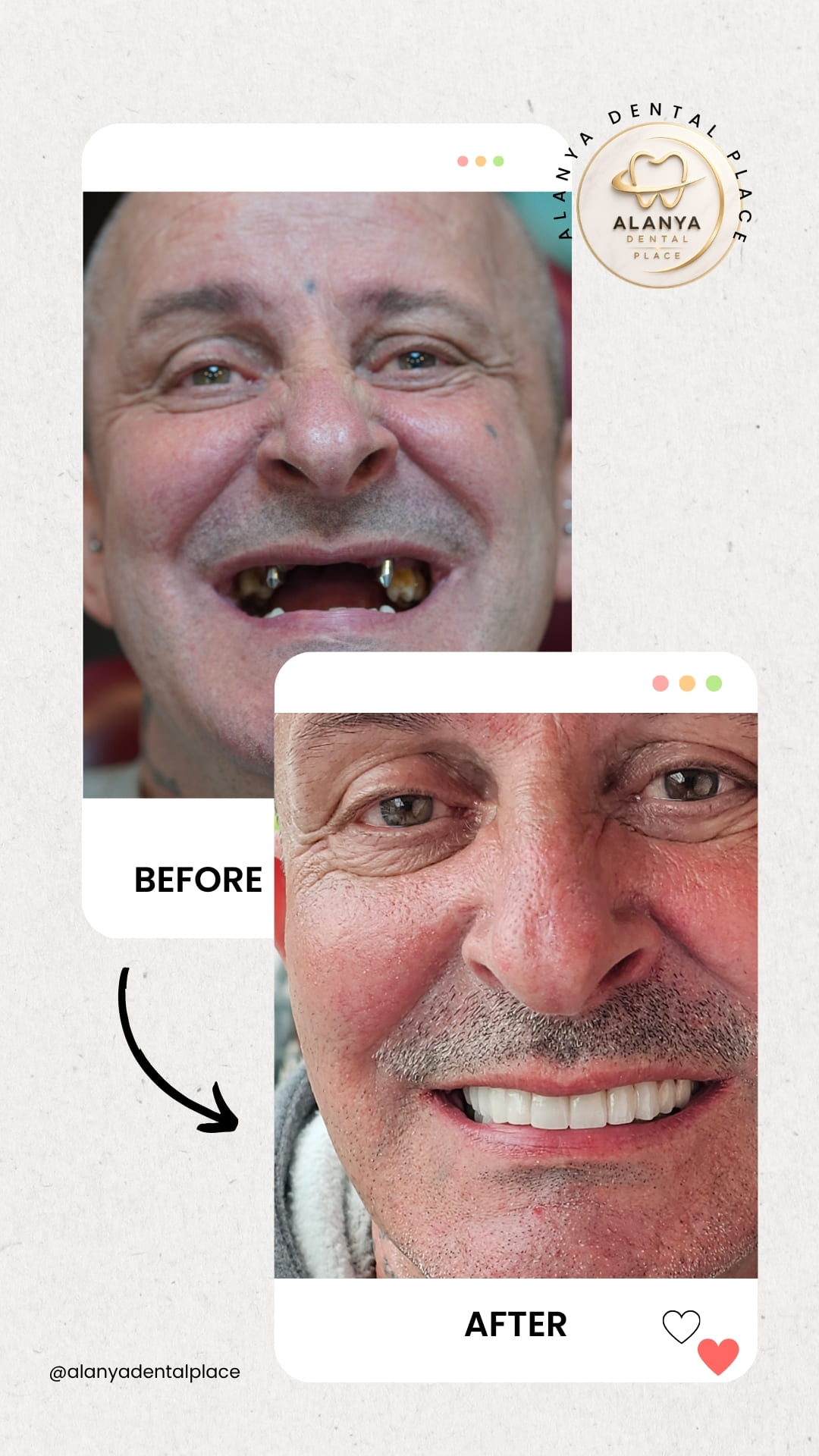
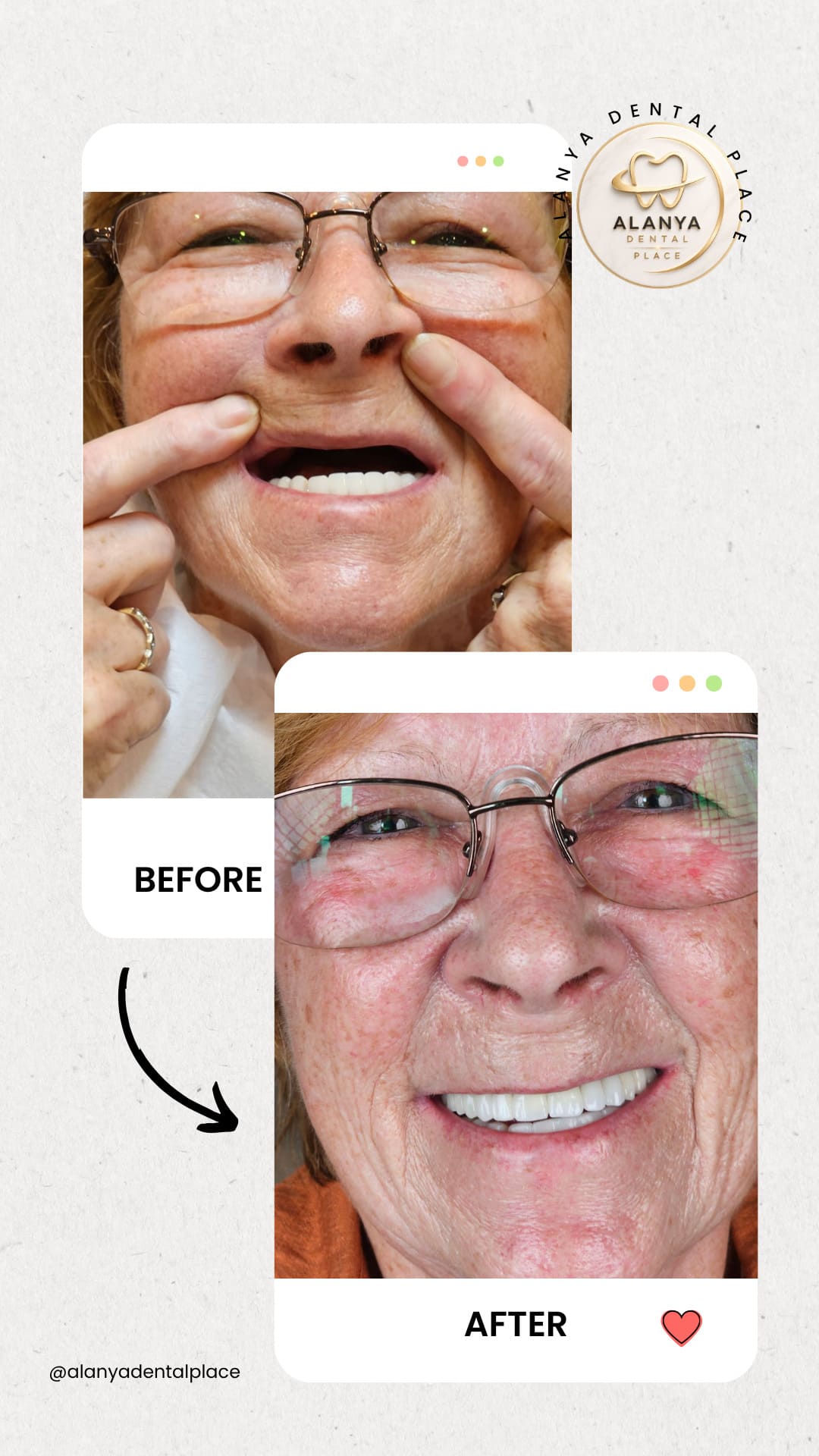
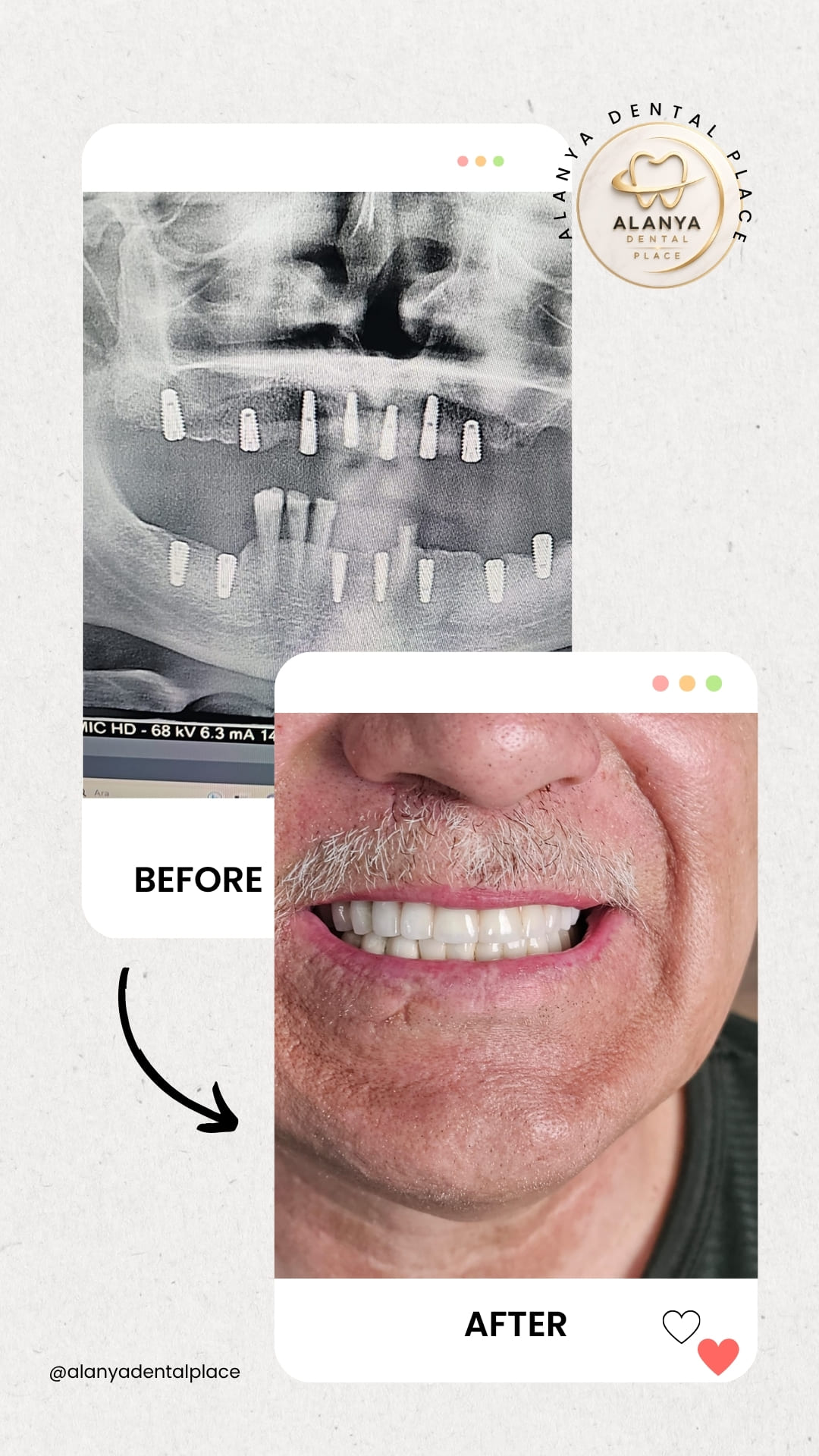
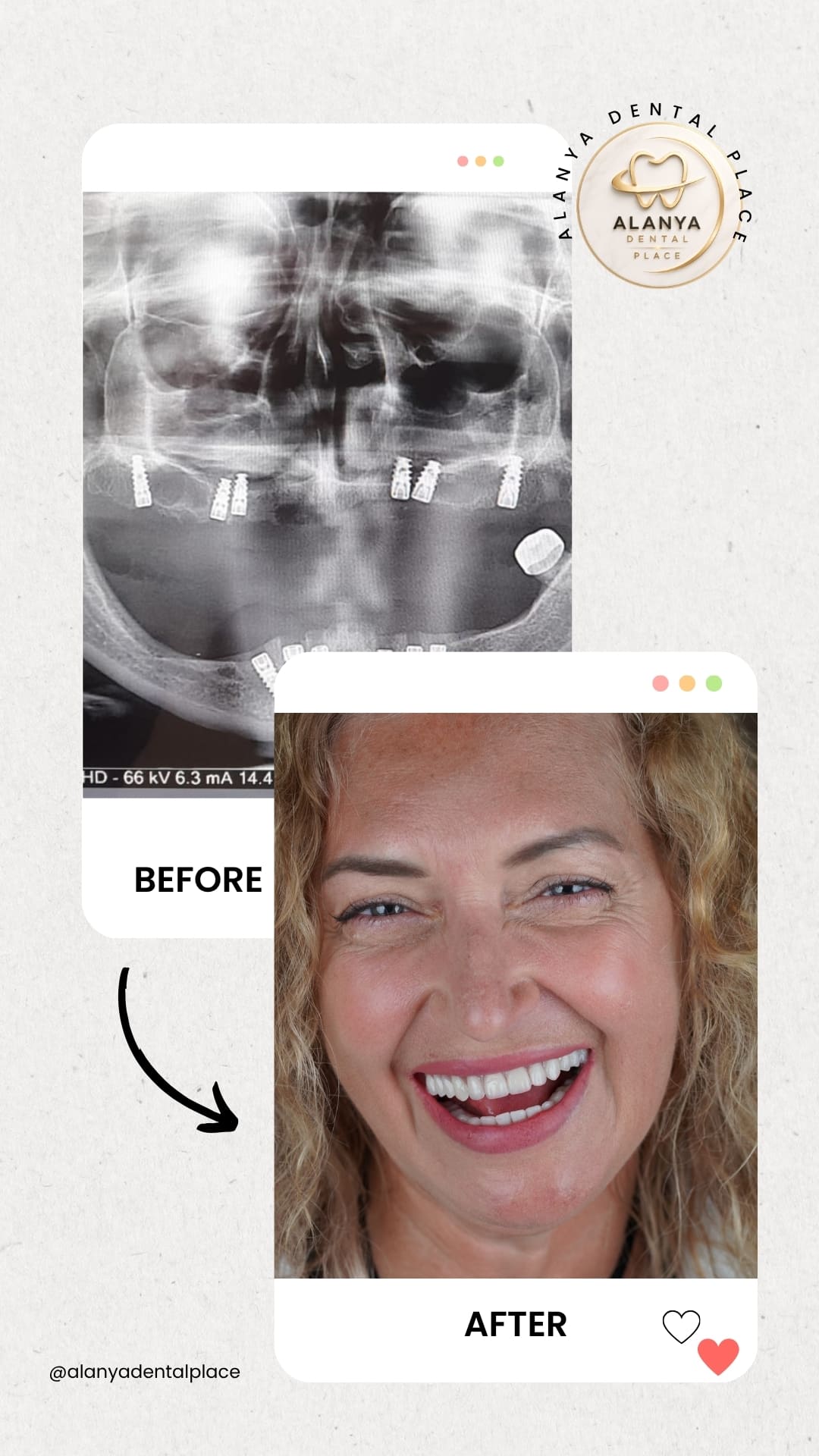
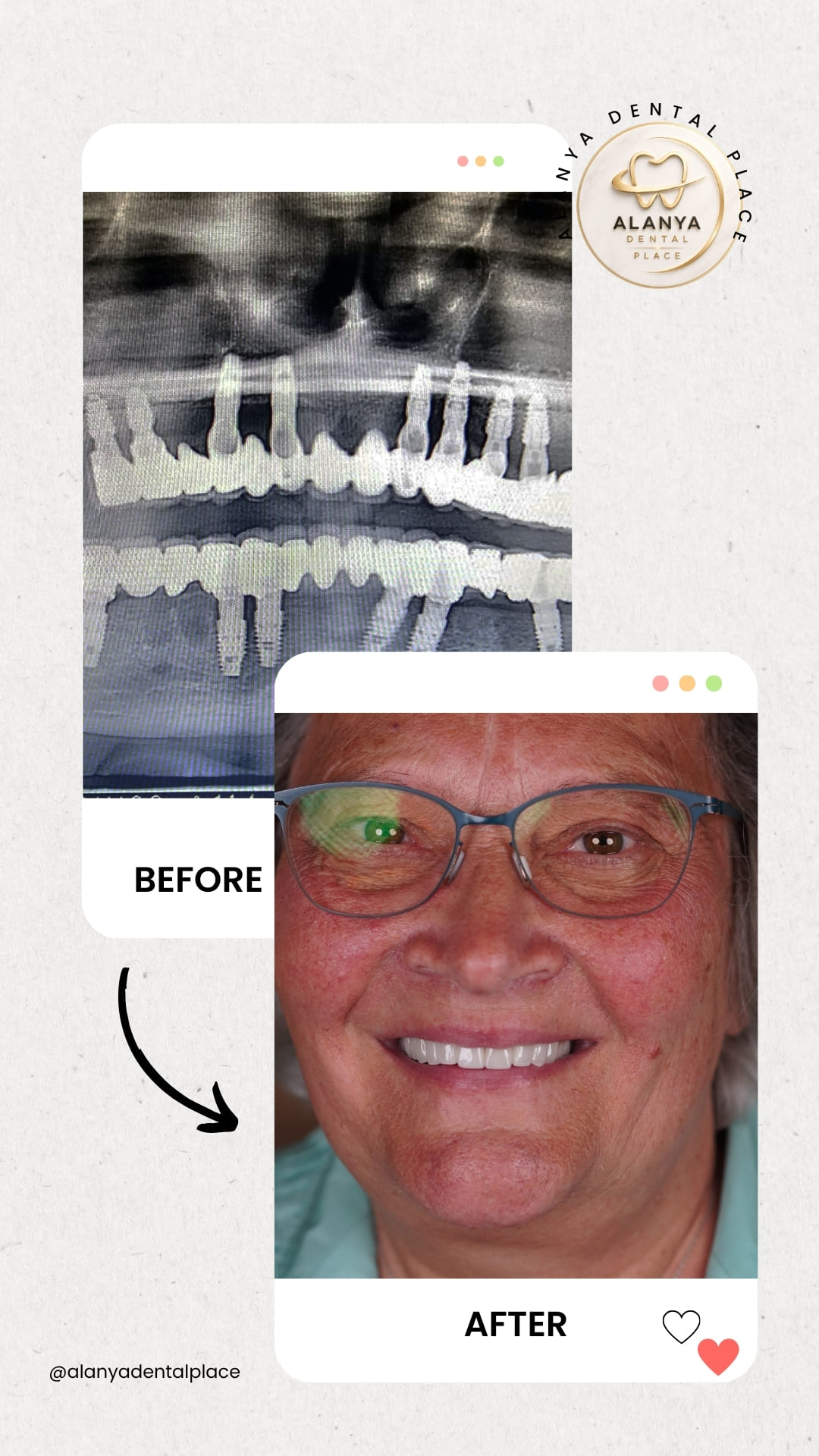
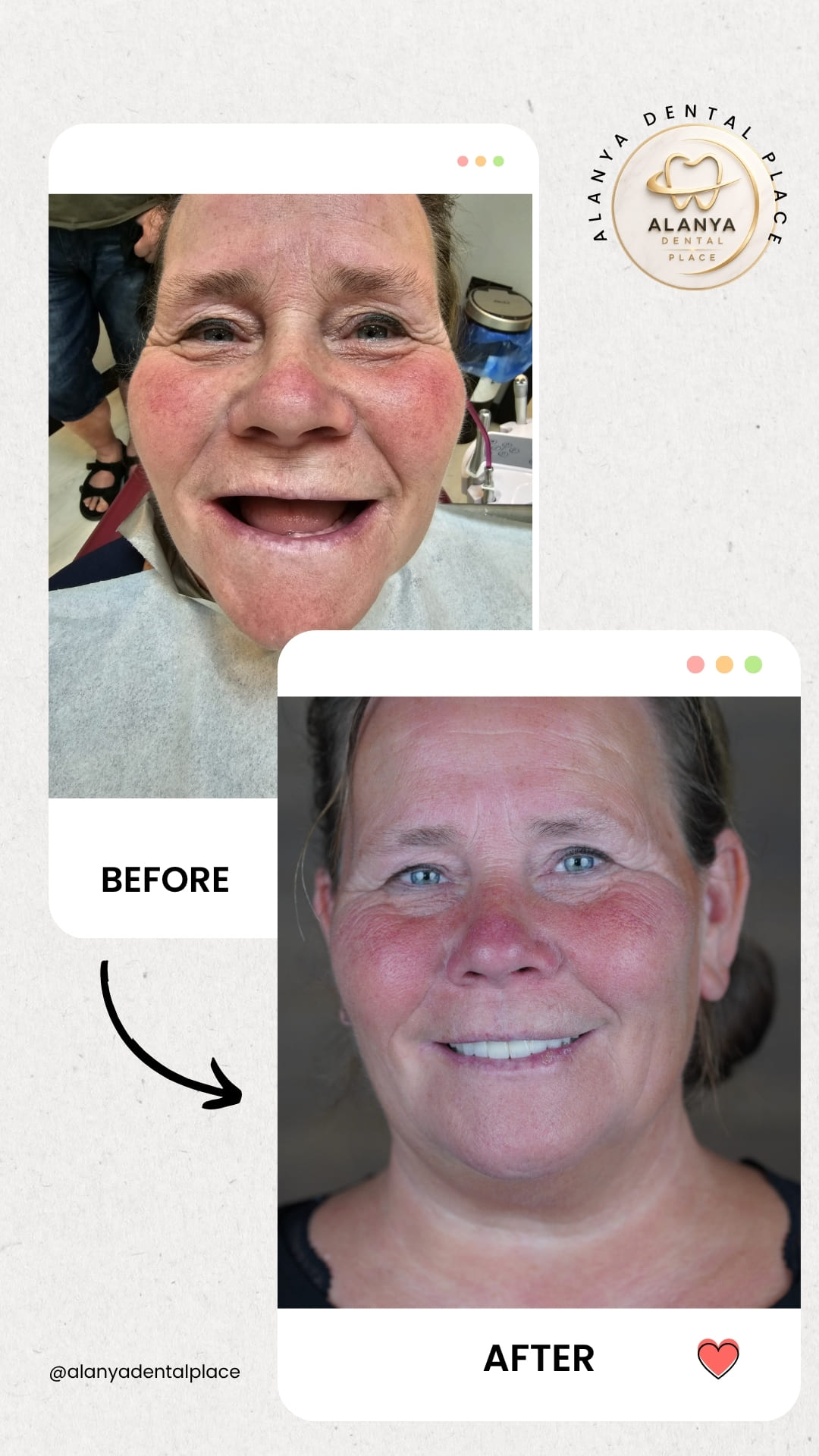
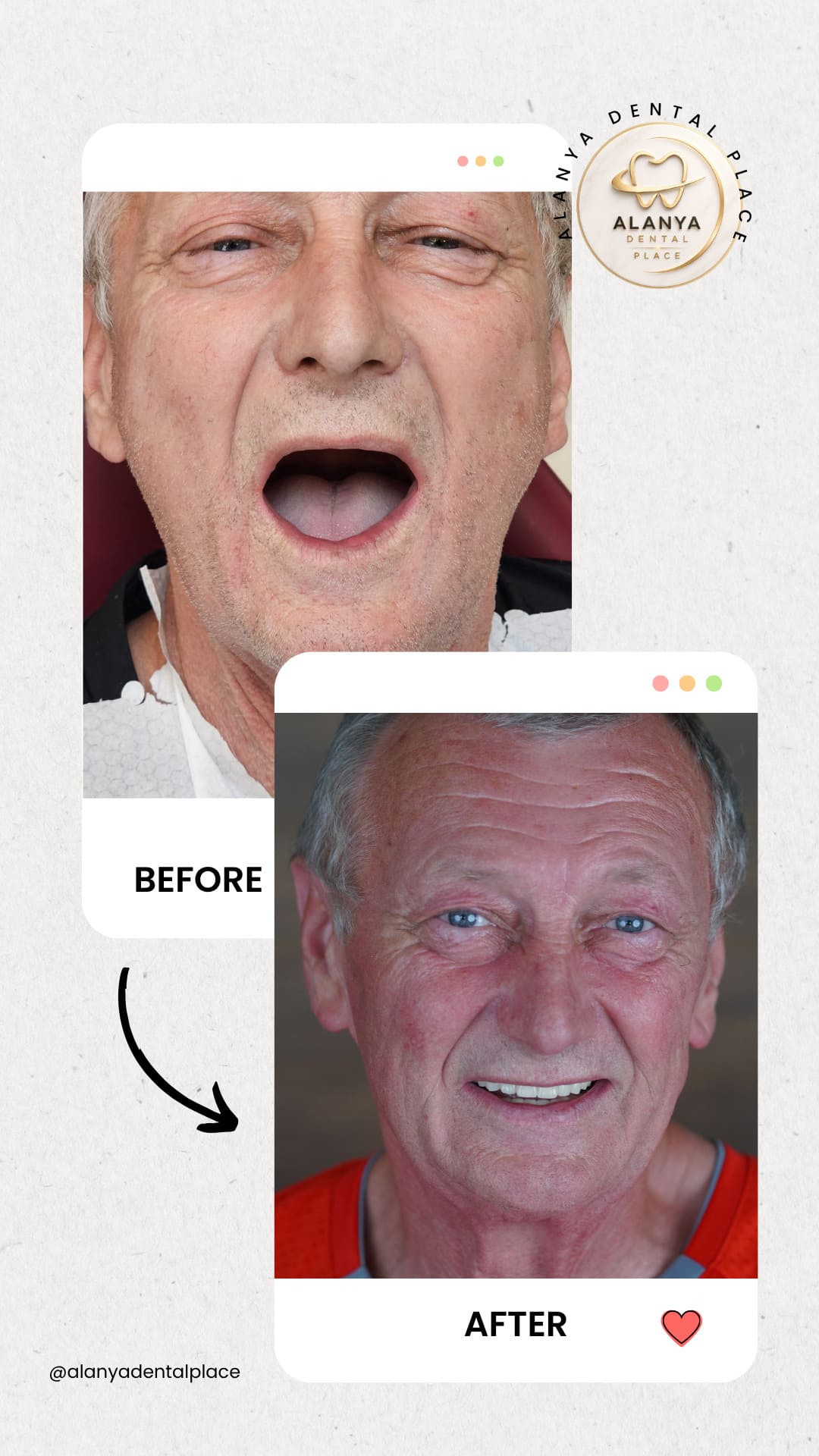
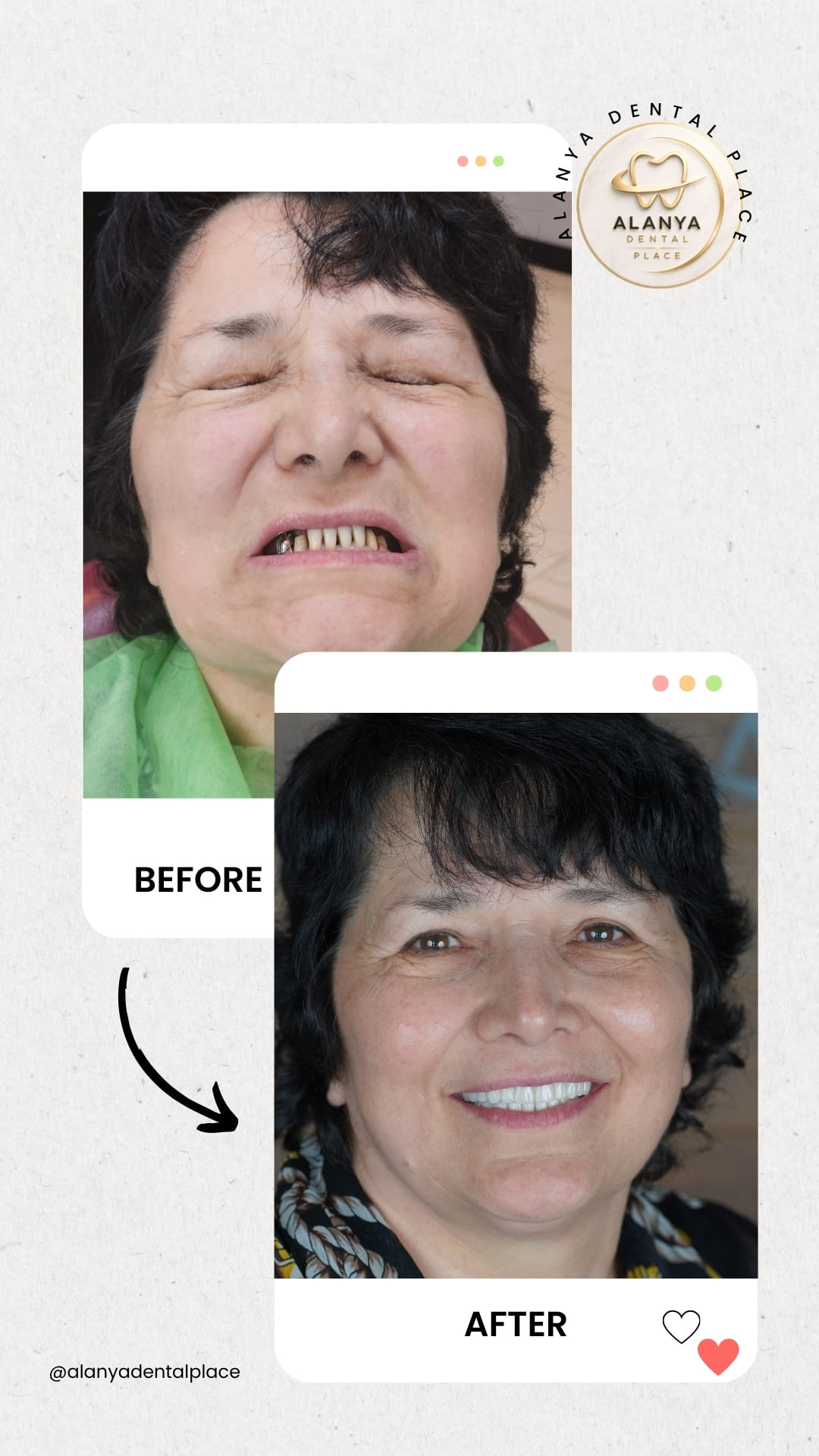
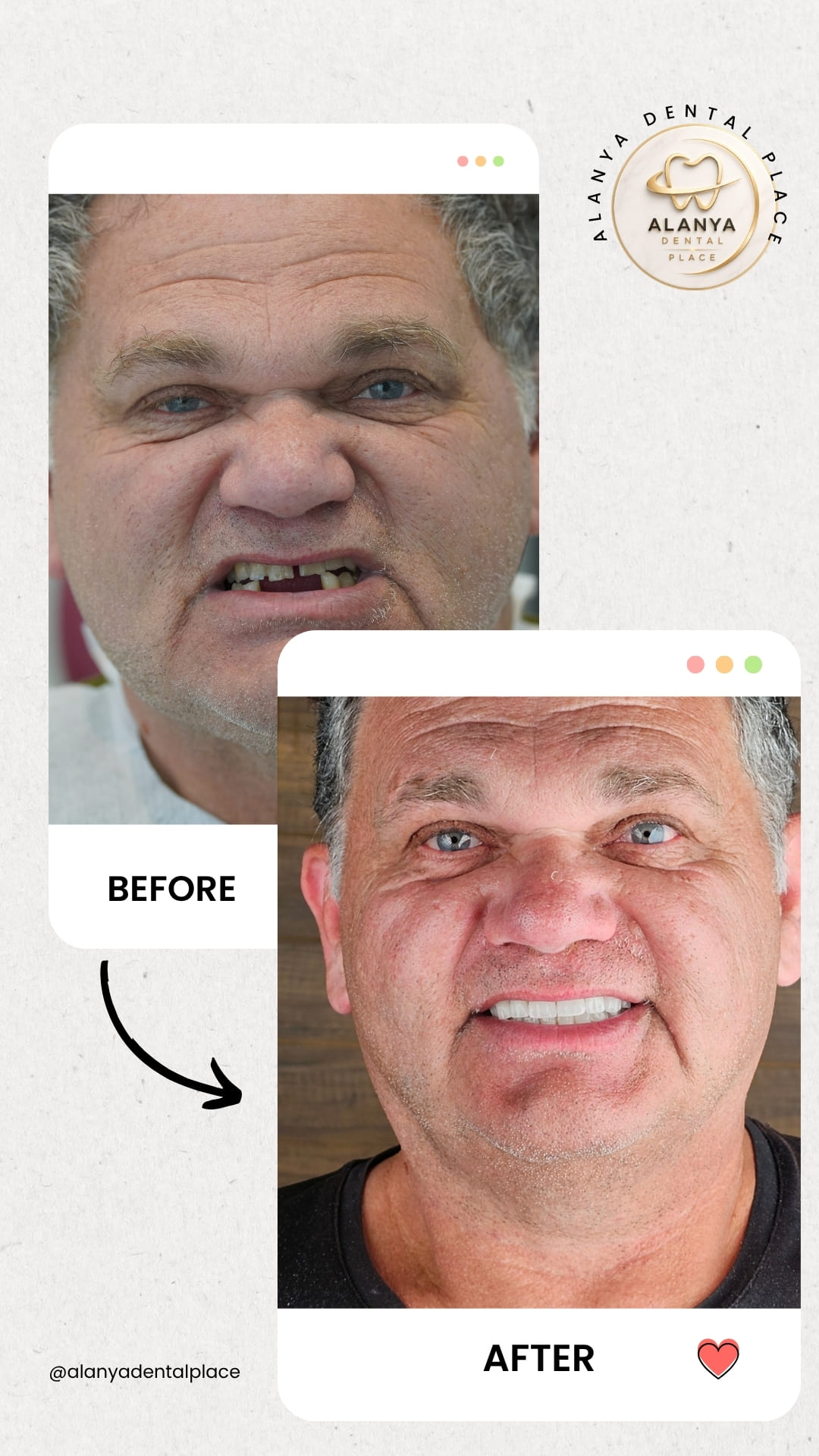
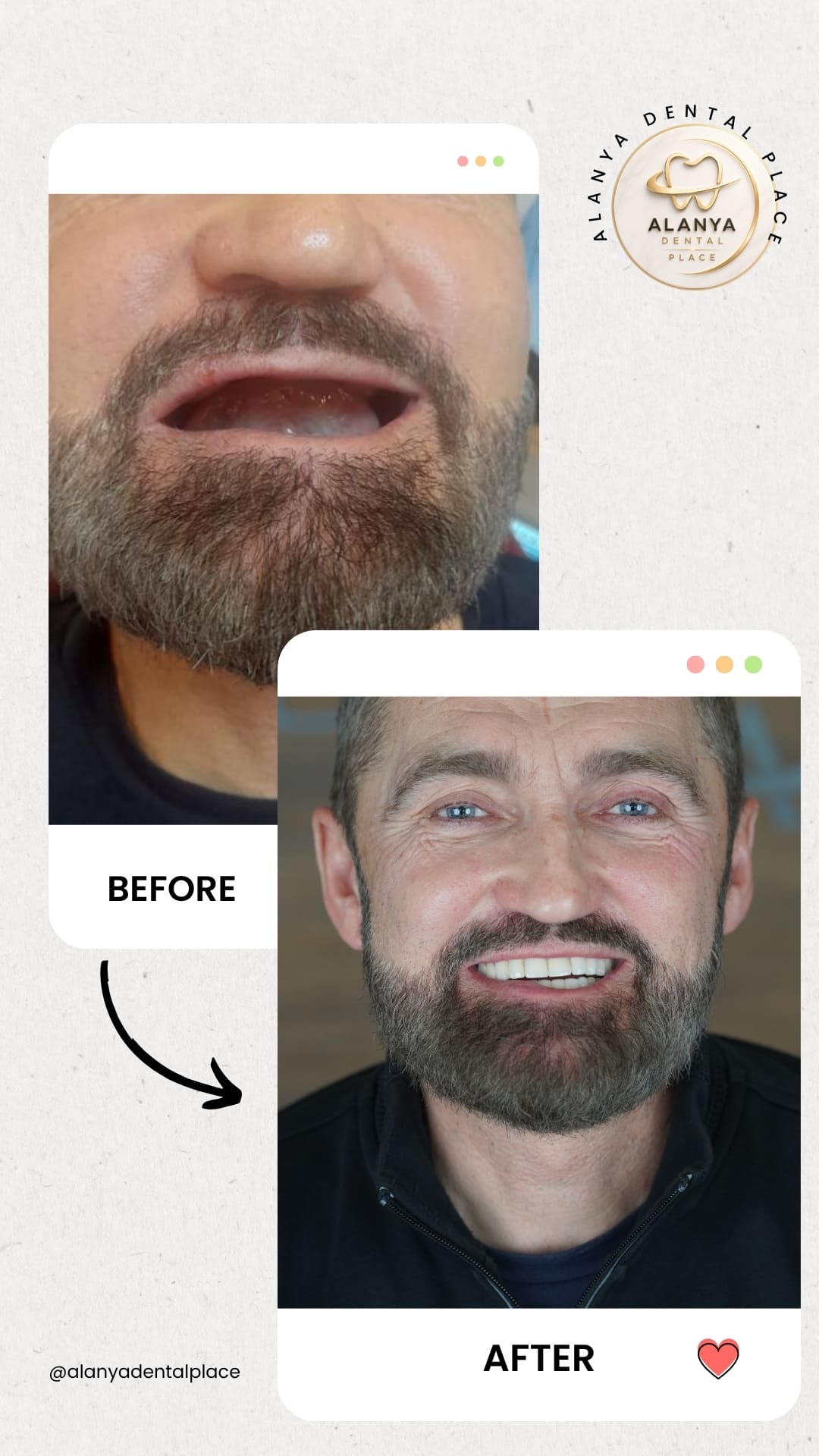
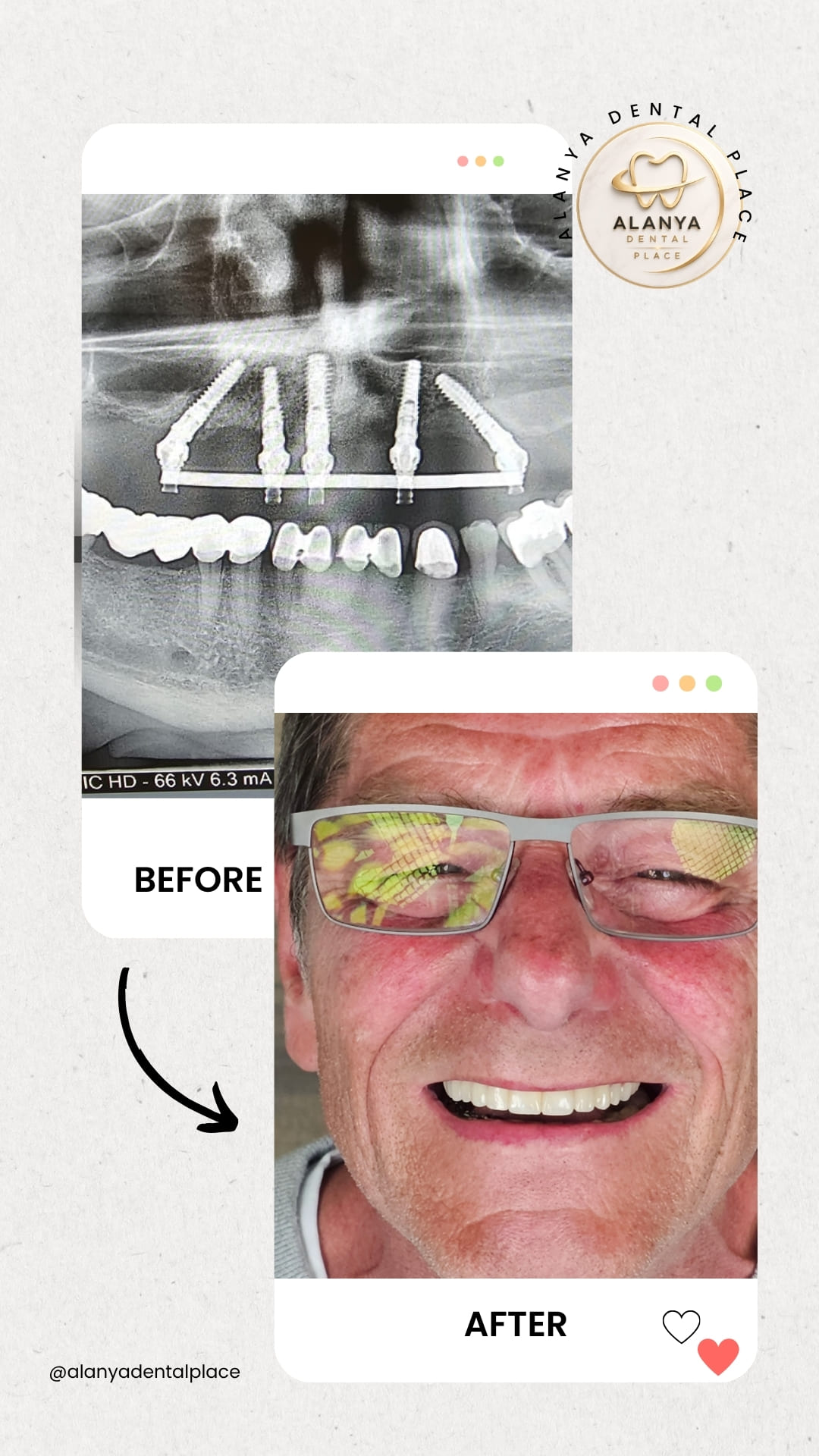
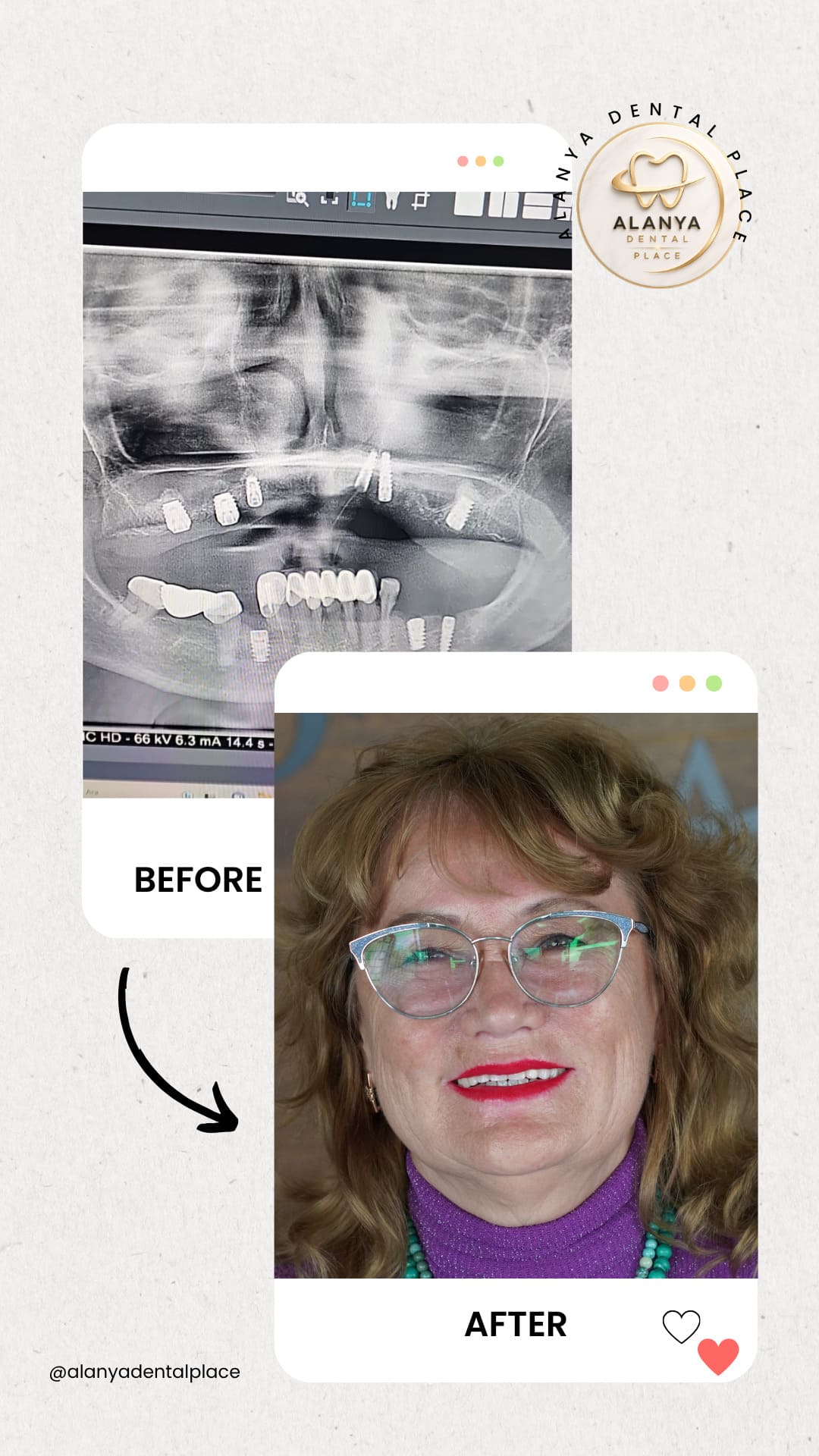
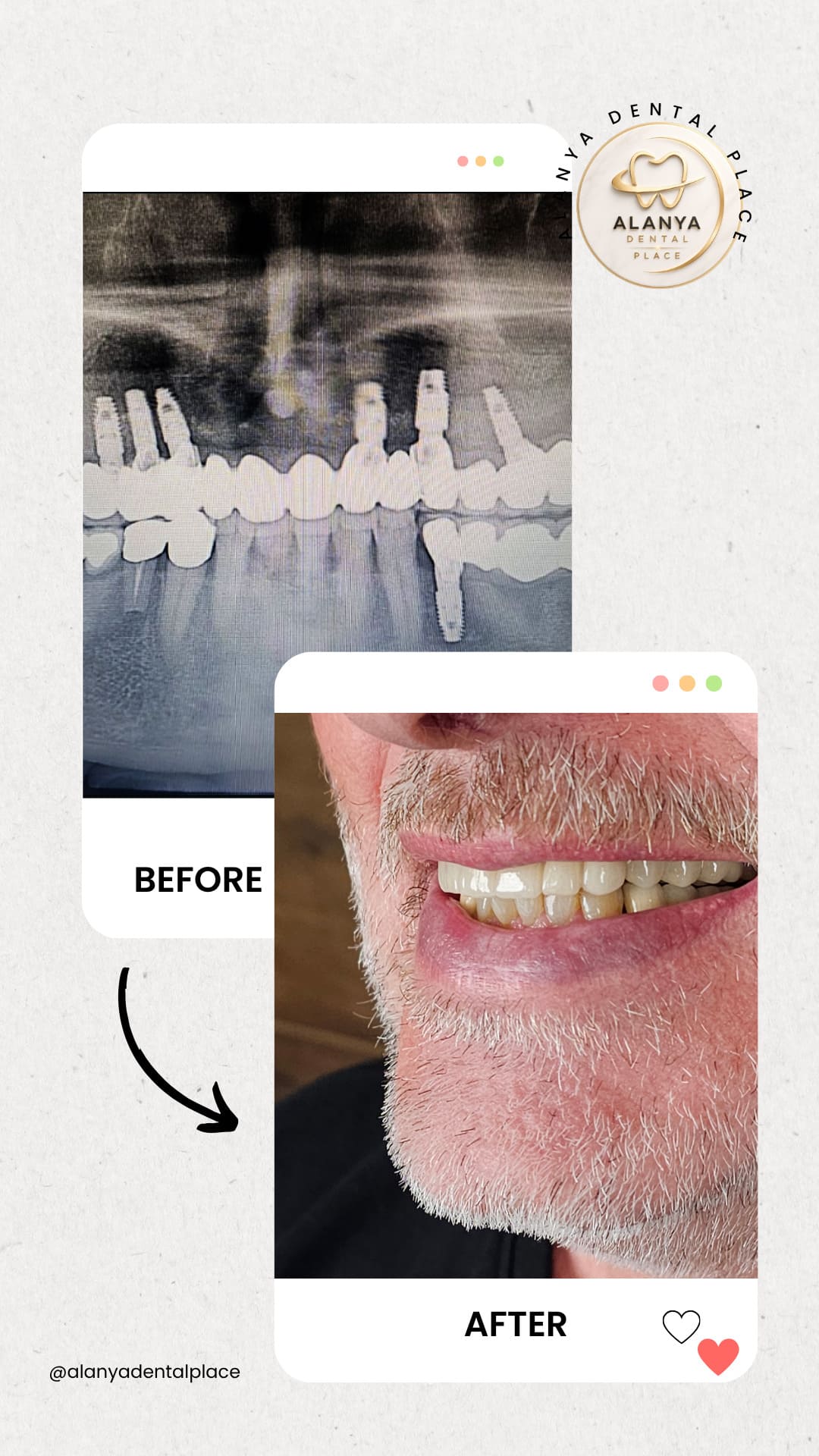
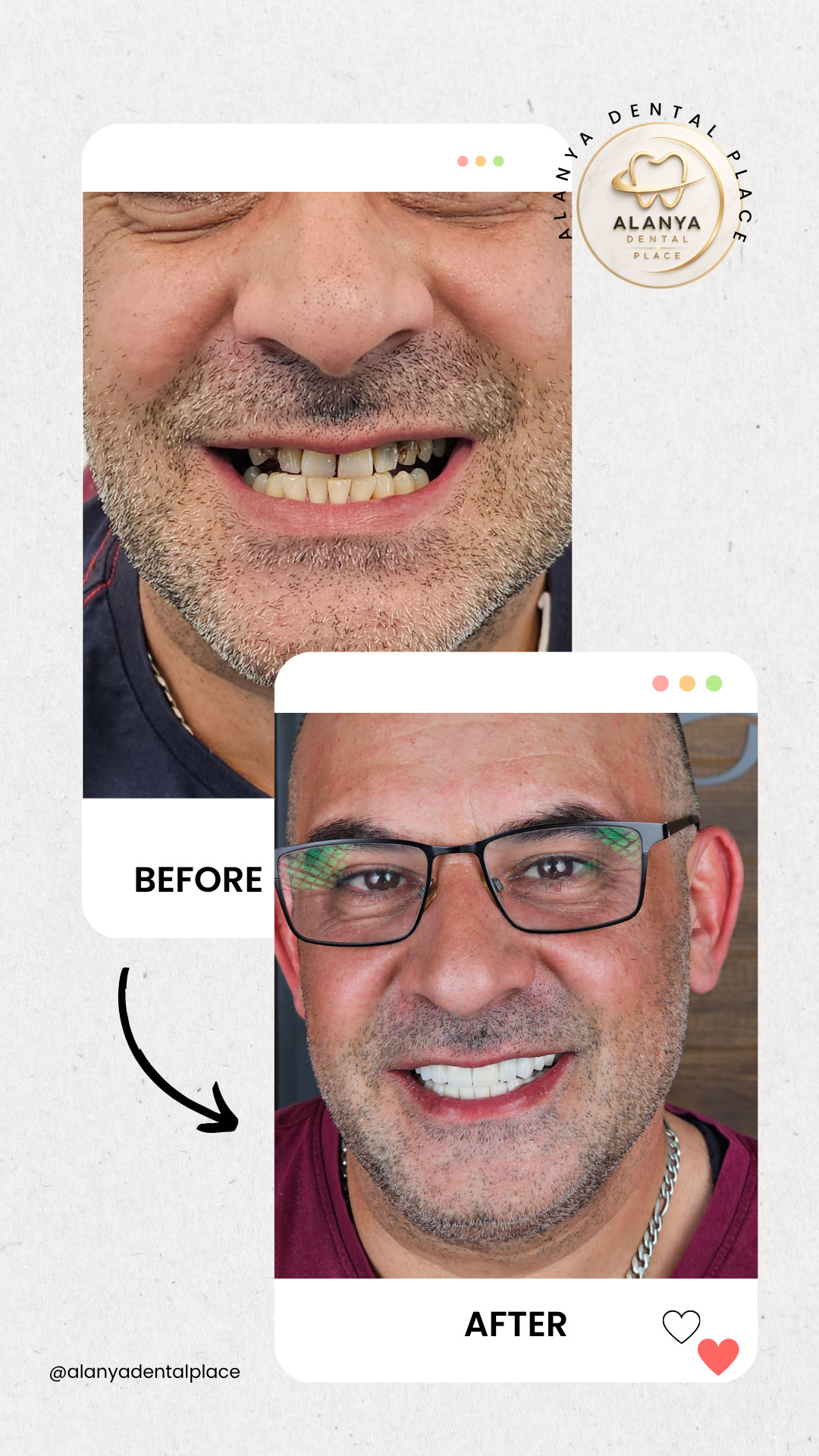
Before and After Mini Dental Implants
High success rate and natural-looking results





Disadvantages and Limitations of Mini Implants: A Transparent Assessment
As a clinic, we do not recommend mini implants for every patient — as there are situations where a particular treatment is suitable and others where it is not. We would prefer you to come to your appointment with an understanding of the following limitations.
The molars in the back of the upper and lower jaws are the areas subject to the greatest chewing force. The slender body of a mini-implant may not be strong enough on its own to support a fixed crown in this region. For this reason, if there is a single missing tooth in the molar region, our clinic generally recommends a standard-diameter implant.
As the body diameter is small, the bone-implant contact surface is smaller than that of a standard implant. Whilst this difference does not directly affect clinical success, it requires careful consideration when planning long-term loading.
In cases requiring a single implant-supported fixed crown in the posterior region, in patients with a history of bruxism (teeth grinding), and in some cases involving poor bone quality (D4 bone), a mini-implant may not be sufficient. Although the cost of mini-implants in Turkey is attractive, their use in inappropriate cases may lead to higher costs in the long term. For this reason, a thorough examination must always take precedence over cost.
The biggest shortcoming we see on other dental clinics’ websites is that they either fail to mention the disadvantages of mini implants at all, or gloss over them. We prefer to tell our patients the truth. A well-informed patient is a more cooperative and happier patient.
The Mini Dental Implant Procedure — Step by Step
At our clinics in Alanya and Antalya, the mini-implant procedure is carried out in accordance with a standardised protocol. The steps below outline what to expect, from your appointment day through to the final restoration.
Digital Assessment and Tomography
CBCT (cone-beam CT) is used to measure bone width, height and density. The decision between mini implants and standard implants is made at this stage. In Turkey, the suitability of the vast majority of candidates for mini implants is determined following this imaging.
Administration of Local Anaesthesia
Mini implant surgery is typically performed under local anaesthetic. For patients who are anxious about anaesthesia, conscious sedation (laughing gas or intravenous sedation) is also available. Ensuring a pain-free mini dental implant experience is one of our clinic’s top priorities.
Flapless Implant Placement
A narrow channel is created using a pilot drill; the implant is then secured in the bone using a screwdriver. In most cases, no stitches are required. The procedure takes 15–25 minutes per implant. Patients who have had mini implants fitted in Turkey often say: ‘It was much easier than I expected.’
Same-Day Prosthetic Restoration (where possible)
Where primary stability is sufficient, the removable prosthesis is activated during the same session using an O-ring or Locator system. The patient leaves the clinic on the same day with a functional prosthesis. This feature is a critical advantage, particularly for foreign patients visiting Alanya and Antalya for dental tourism.
Recovery and Monitoring
Mild sensitivity during the first week is normal. Check-ups at one and three months monitor the marginal bone level and the health of the soft tissues. Remote consultation support is provided for patients living far away.
Permanent Prosthetic Restoration
Once osseointegration is complete (usually after 3–4 months), the patient is fitted with a permanent metal-supported acrylic, zirconia-based or thermo-injection denture system. Long-term comfort is optimised at this stage.
Mini Implant Prices in Turkey and Alanya
The cost of mini dental implants in Turkey varies depending on the brand of implant used, the number of implants, the type of prosthetic restoration and the clinic’s level of expertise. To give a general comparison: the cost per mini implant in Germany or the UK can be up to three to five times higher than the cost in Alanya.
When considering the cost, we would like to point out that the vast majority of patients from Europe, Russia and the Gulf states who come to Antalya and Alanya for mini-implants report that, when all costs—including flights and accommodation—are taken into account, it works out to be far more cost-effective than having the procedure done in their own countries. This situation is not expected to change—the cost advantage offered by Turkey is a structural difference.


Frequently Asked Questions — Mini Dental Implants
Questions About Treatment
How should I choose between a mini implant and a standard implant?
The choice depends on the width and height of the bone, the location of the missing tooth (front or back), whether a single tooth or a full arch is involved, and your budget. Mini implants are the preferred option if there is a narrow front region, a need for prosthesis stabilisation, or a preference for minimally invasive treatment. If a single fixed crown is required in the back molar region, a standard implant is a safer option. Our clinic in Alanya will provide you with a personalised recommendation following a CT scan.
Is a mini dental implant painful?
No pain is felt during the mini-implant placement procedure, which is carried out under local anaesthetic. Mild tenderness and tightness may be experienced in the first 24–48 hours following the procedure; this can be easily managed with standard painkillers. For patients who are afraid of anaesthesia, sedation is available at our clinic.
How long do mini implants last?
A 10-year follow-up study published in PubMed in 2024 reported a 100% survival rate for 1.8 mm diameter mini-implants. In a 15-year retrospective study, the cumulative survival rate was measured at 86%. The aim is for lifelong use with regular check-ups. Long-term success depends on correct indication, proper occlusal planning and patient compliance.
Can I have mini implants fitted and a denture fitted on the same day?
Yes, same-day prosthetic activation is possible provided that primary stability is adequate. This protocol has become standard practice, particularly in cases involving the stabilisation of removable dentures in the lower jaw. For patients visiting Alanya and Antalya for a short stay, this feature offers the opportunity to complete their treatment in a single visit.
Is a bone graft required for a mini implant?
This is not usually necessary. One of the key advantages of mini implants is that they often do not require additional procedures, such as bone grafting or sinus lifts, which are typically needed with standard implants. However, in some specific cases, minimal bone support may be required; this is determined following a CT scan.
Is it safe to have mini dental implants fitted in Turkey?
Turkey is home to dental clinics that meet European standards. Our clinics in Alanya and Antalya offer services using CE-certified implant systems, in sterile operating theatre conditions and in accordance with international protocols. Choosing the right clinic is crucial; you should not base your decision solely on price.
Can a fixed tooth (crown) be fitted onto a mini implant?
In the anterior region (incisors, canines), a single crown can be placed on a mini implant. However, in the premolar and molar regions, a standard-diameter implant is safer for a single fixed crown. For extensive full-arch fixed bridges, a combination of mini and standard implants may be preferred. A load analysis should be carried out for each individual case.
How long do I need to stay in Alanya to have mini implants fitted?
For simple prosthetic stabilisation cases, a 2–3-day stay is sufficient: CT scan and treatment planning (day 1), surgery and prosthetic activation (day 2), and a follow-up appointment (day 3). A brief second visit is scheduled 3–4 months later for the permanent prosthetic restoration. Antalya Airport is approximately 45 minutes’ drive from Alanya.
How do you care for mini implants?
Care for mini implants is largely the same as for standard implants: brushing twice a day, using an interdental brush or dental floss, and attending professional check-ups every six months. For patients using removable dentures, removing and cleaning the dentures daily and cleaning the implant abutments with a soft-bristled brush are key to long-term success.
I smoke; can I have mini implants fitted?
Smoking is the most significant risk factor affecting the success of osseointegration in all types of dental implants. Although it does not constitute an absolute contraindication, refraining from smoking for at least 4 weeks prior to surgery and for at least 8–12 weeks following surgery significantly improves the survival rate. Our clinic also provides support for those wishing to quit smoking.
Sources
- Srinivasan M, et al. “One-Piece Mini Dental Implant-Retained Mandibular Overdentures: 10-Year Clinical and Radiological Outcomes.” Journal of Clinical Medicine, 2024. PubMed →
- Villarinho EA, et al. “Flapless Mini Implants Immediately Loaded for Full-Arch Overdenture Rehabilitation: An Up-To-15-Year Retrospective Study.” PMC / NCBI, 2025. PMC →
- Van Doorne L, et al. “Five years clinical outcome of maxillary mini dental implant overdenture treatment: A prospective multicenter clinical cohort study.” Clinical Implant Dentistry and Related Research, 2023. PubMed →
- Sahrmann P, et al. “Survival and stability of strategic mini-implants with immediate or delayed loading under removable partial dentures: a 3-year randomized controlled clinical trial.” PMC, 2023. PMC →
- Shatkin TE, Petrotto CA. “Mini Dental Implants: A Retrospective Analysis of 5640 Implants Placed Over a 12-Year Period.” Compendium, 2012. IAMDI →
- Colgate Oral Health Centre. ‘Mini Dental Implant: Killing Two Birds with One Stone’” Colgate TR →
- Turkish Dental Association. Standard Price List for Dental Implants. Ankara, 2024.TDB →
- 3M ESPE MDI Literature Review. PDF Kaynak →
Do you have any other questions?