Full-Mouth Dental Implants in Alanya, Turkey
Losing all or a large number of your teeth is not merely an aesthetic loss; it also directly affects your ability to chew, your speech, your facial contours and your day-to-day self-confidence. At Alanya Dental Place, with our full-mouth dental implant treatment offered in the Alanya district of Antalya, we enable you to leave behind the discomfort caused by removable dentures and transition to a fixed, natural-feeling and long-lasting solution.
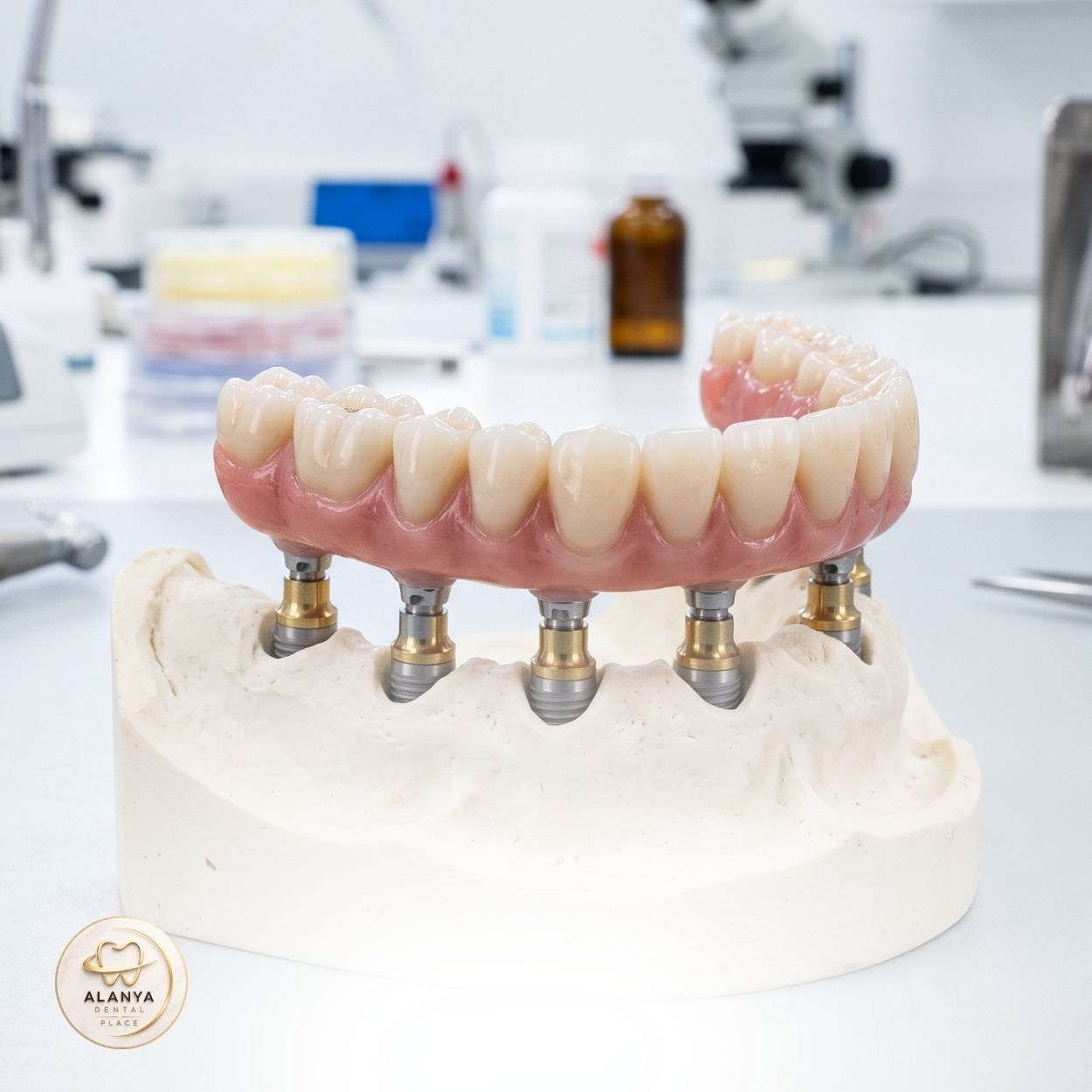
Full-mouth implant treatment is based on the principle of replacing existing tooth roots with titanium implants and fitting fixed prostheses on top of them in patients who have suffered tooth loss in the upper, lower or both jaws. Thanks to various protocols such as All-on-4, All-on-6 and All-on-8, we work with you to determine the treatment plan best suited to your bone density and clinical condition.
Dental Implant Prices: Almost 70 per cent cheaper than in European countries.
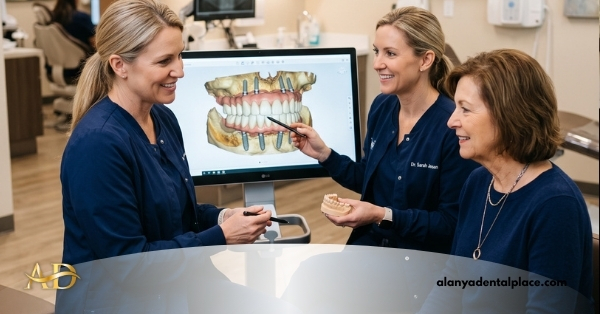
Please get in touch with us to find out whether this treatment is suitable for you.
What Is a Full-Mouth Dental Implant? Who Is It Suitable For?
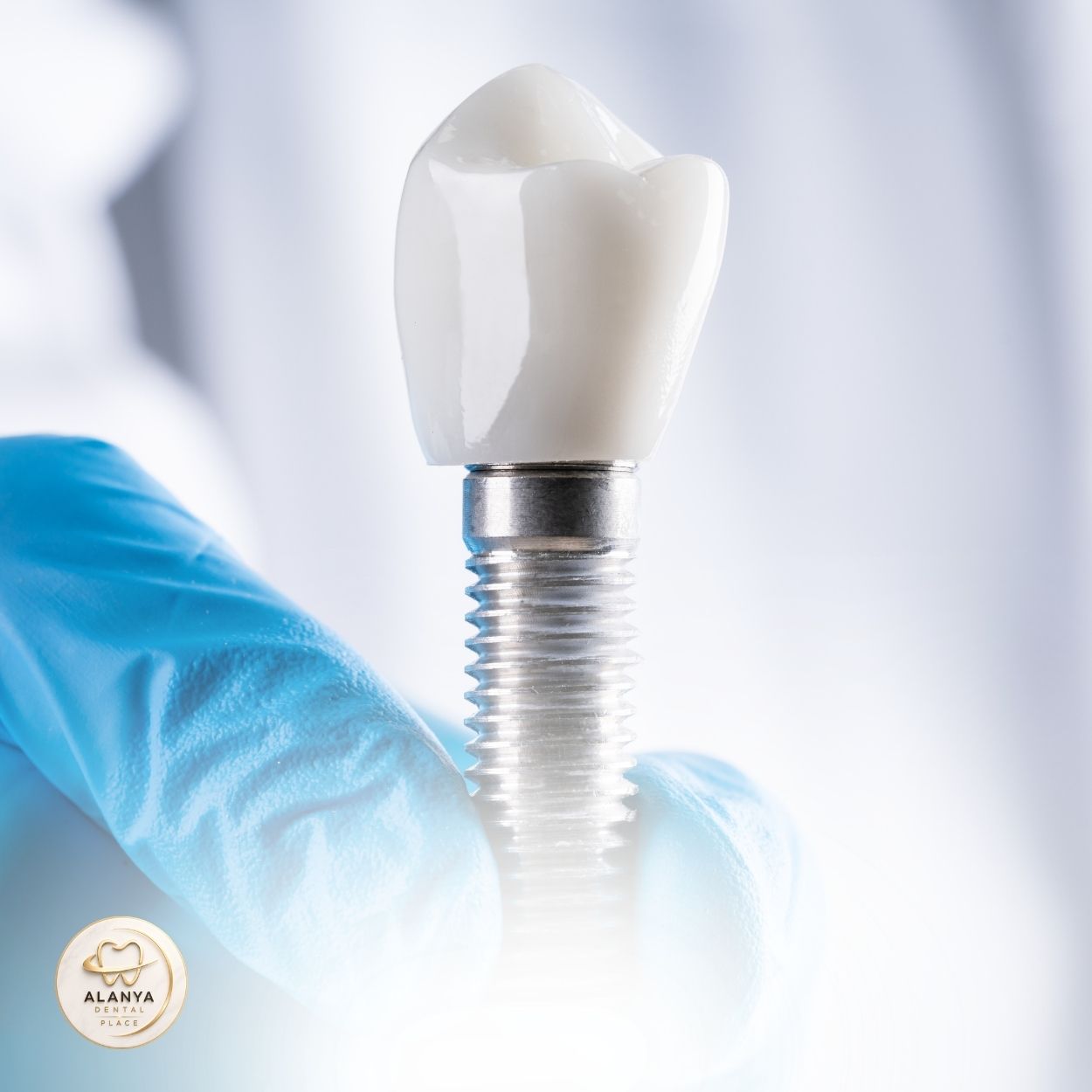
A full-mouth dental implant is an implant-supported fixed prosthesis treatment used for patients who have lost, or are about to lose, all their teeth in one or both jaws. The difference from traditional full dentures is that the prosthesis does not move or slip within the mouth and is directly anchored to the jawbone using titanium implants. This enables the patient to regain chewing strength and speaking comfort similar to that of natural teeth.
Treatment is generally considered for the following patient groups:
- Individuals who have suffered extensive tooth loss or are completely edentulous
- Patients who are uncomfortable with their current removable dentures and who complain of slippage and pressure sores
- People who have lost their teeth due to periodontal disease and whose jawbone has a certain volume
- Adults seeking a permanent solution, both aesthetically and functionally, whose general state of health is suitable for treatment
Candidates’ bone density, general health and gum structure are assessed during the initial examination and via 3D tomography; based on the results of this assessment, a personalised treatment plan is drawn up. As each patient’s anatomy is different, the suitability of the treatment can only be confirmed following a clinical examination.
CE-certified full-arch dental implant brands we work with






The Difference Between Full-Mouth Implants and Other Solutions for Tooth Loss
Feature
Stability
Biting Force
Bone Protection
Ease of Speech
Daily Care
Average Lifespan
The first step in determining whether this treatment is suitable for you is a free initial assessment at our clinic.
All-on-4, All-on-6 and All-on-8: Which One Is Right for You?
There is no single standard method for full-mouth implant treatment; the number of implants used per jaw is determined by your bone volume and chewing habits. At Alanya Dental Place, we can carry out all three different protocols; which one is suitable for you will be determined based on the results of your 3D CT scan.
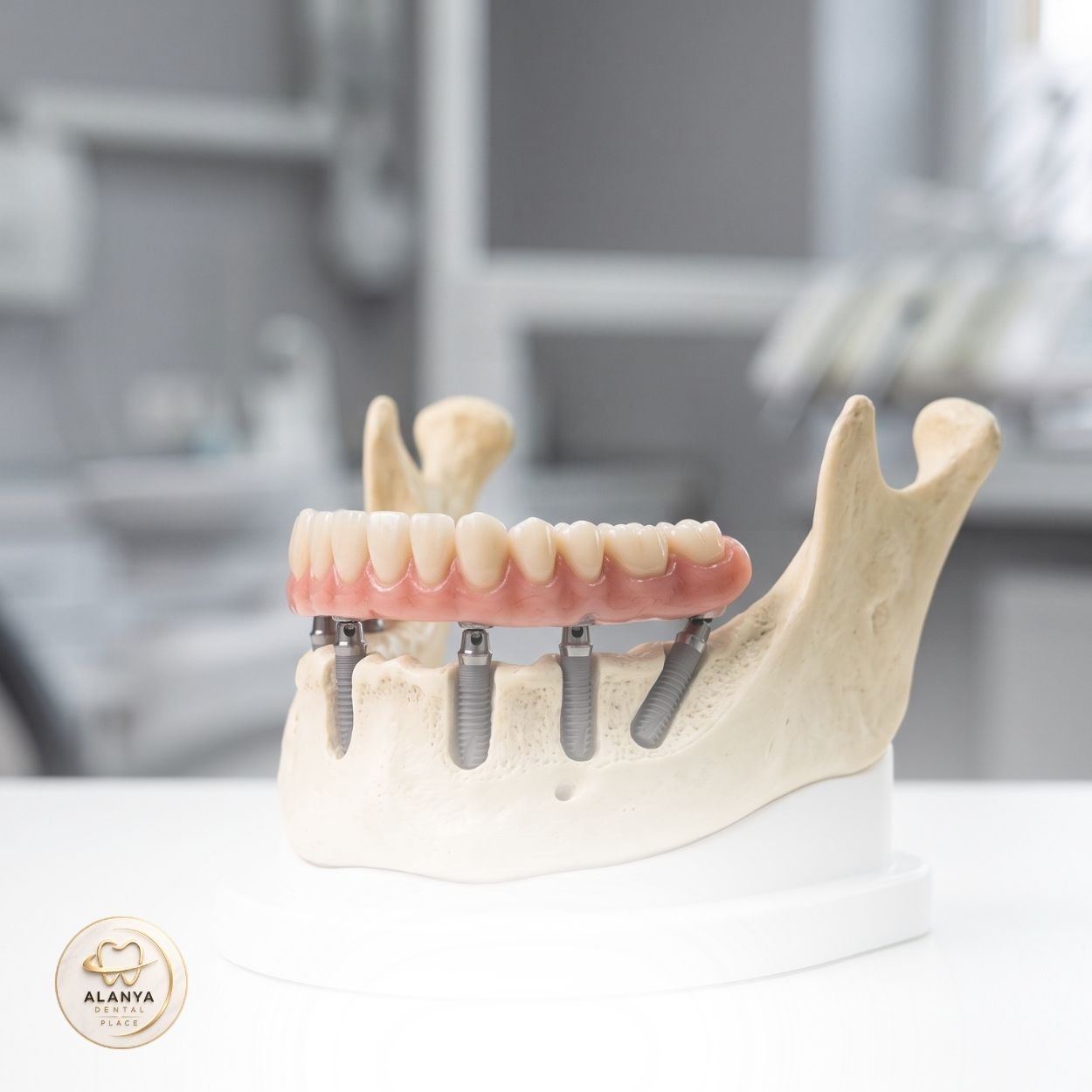
All-on-4 Dental Implants
This is a treatment concept in which all teeth are supported by a fixed prosthesis through the strategic placement of four implants in one jaw. Implants in the posterior region are usually placed at an angle of 30–45 degrees; this allows the use of areas with denser bone, whilst avoiding regions with bone loss. As it requires less surgery, the recovery process is relatively more comfortable and generally eliminates the need for bone grafting.
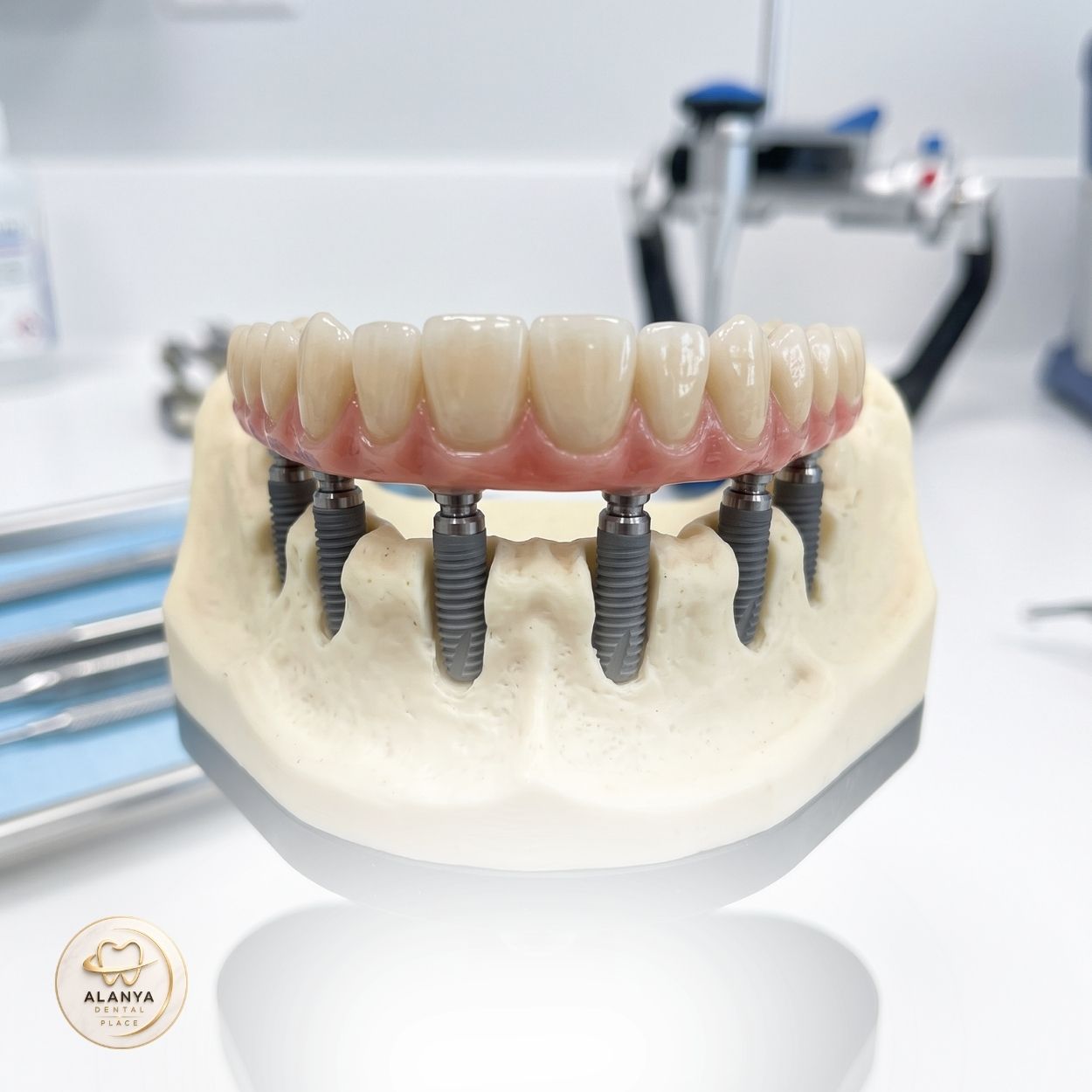
All-on-6 Dental Implants
It is carried out by distributing six implants evenly across the front and rear regions of the jaw. Using a greater number of implants ensures that the chewing force is distributed over a wider area; this is particularly preferred in the upper jaw or for patients with strong chewing habits. All-on-6 may require slightly more comprehensive surgical planning than All-on-4, and sufficient bone volume is a prerequisite.
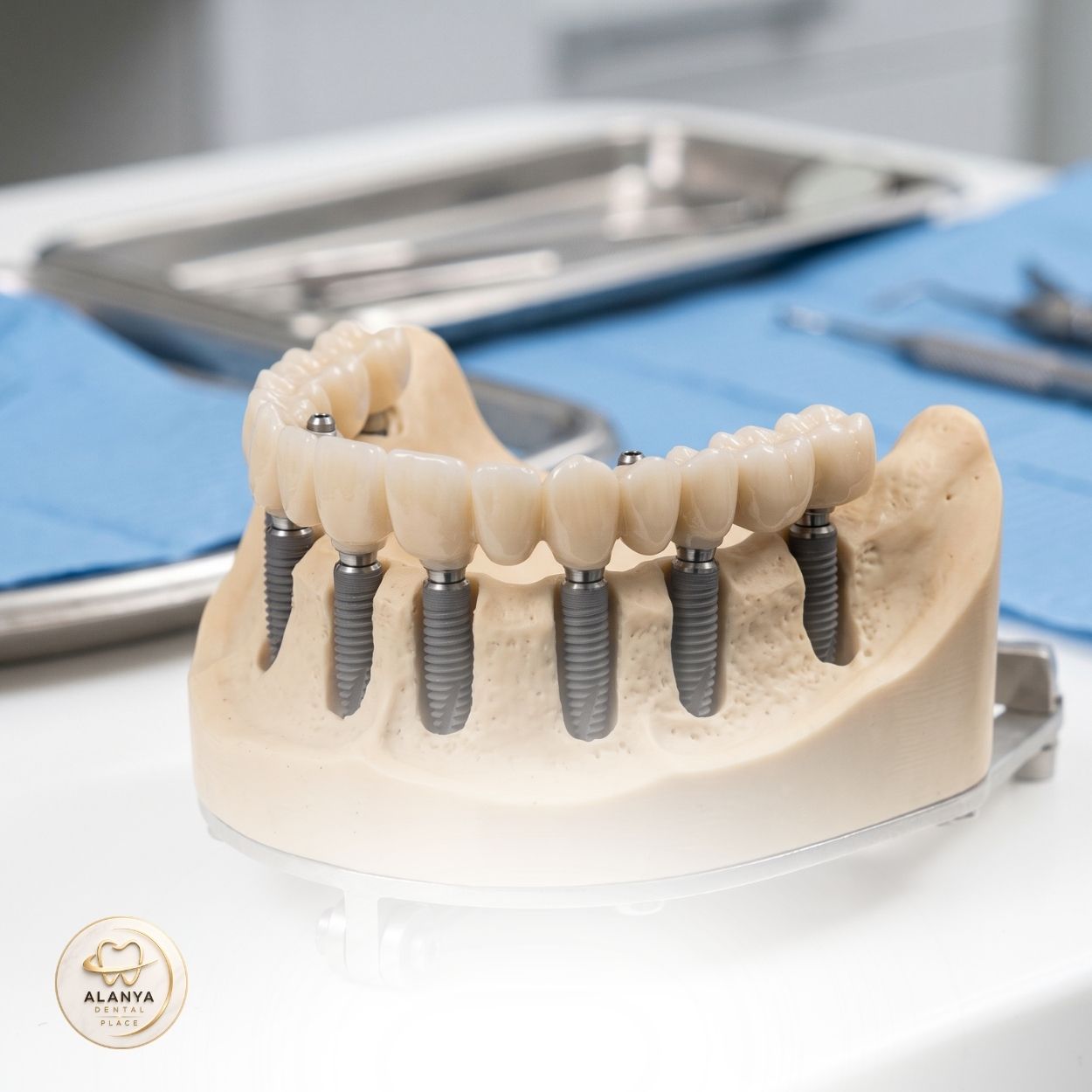
All-on-8 Dental Implants
This protocol ensures maximum stability and load distribution using eight implants. It is particularly suitable for patients with a history of bruxism (teeth clenching or grinding), those who have previously undergone an unsuccessful All-on-4 or All-on-6 procedure, or those with dense cortical bone who wish to maximise the lifespan of their implants.
Contents
All-on-4 vs All-on-6 vs All-on-8 Comparison Table
Criterion
Number of Implants per Jaw
Need for a bone graft
Scope of Surgery
Load Distribution
Bruxism Screening
Ideal Patient Profile
Same-Day Temporary Tooth
Although the question our patients ask most frequently is ‘Which is better?’, the correct question is: which is more suitable for your bone structure and bite? The answer to this question can only be determined following a detailed clinical examination and 3D tomography; proper planning is more decisive than the number of implants. You can request a treatment plan to find out whether All-on-4, All-on-6 or All-on-8 is the right option for you.

The Treatment Process: What Happens Step by Step at Alanya Dental Place?
Full-mouth dental implant treatment is not a procedure that is completed in a single appointment; it consists of successive stages, each involving periods of biological healing. Knowing the process in advance will help you to manage your expectations appropriately and begin treatment with greater peace of mind.
Stage 1 — Initial Examination and 3D CT Scan Assessment
The process begins with an intraoral examination, a panoramic X-ray and a 3D CBCT (cone-beam computed tomography) scan. This imaging reveals the volume and density of your jawbone, as well as its distance from anatomical structures such as the sinuses and nerves, with millimetre-level precision. These data serve as the primary reference for determining which protocol (All-on-4, All-on-6, All-on-8) to use and how many implants to place.
Stage 2 — Personalised Treatment Plan and Tooth Extractions
Based on the CT scan results, the position, angle and depth of the implants are planned digitally. If there are tooth roots that cannot be saved, extraction may be carried out during the same session as the implant surgery. If there is insufficient bone volume, preparatory procedures such as bone grafting or a sinus lift may be required at this stage.
Stage 3 — Implant Surgery and Temporary Fixed Teeth
Dental implants are placed in their planned positions under local anaesthesia (with sedation where deemed necessary). Under suitable clinical conditions, a temporary fixed prosthesis (immediate loading / ‘same-day teeth’) can be fitted on the same day as the surgery; this allows the patient to begin the healing process without experiencing a period without teeth.
Stage 4 — Osseointegration: The Process of Fusing with the Bone
Osseointegration, which refers to the biological fusion of the implant with the jawbone, takes an average of 3–6 months. During this period, you will continue with your daily life using your temporary prosthesis; you are advised to avoid hard and sticky foods.
Stage 5 — Fitting the Permanent Prosthesis
Once osseointegration is complete, new dental impressions are taken and the permanent prosthesis (porcelain or zirconium) is fabricated and fixed to the implants. The colour, shape and bite alignment are checked one final time at this stage.
The Science of Osseointegration: How Does Your Implant Fuse with Your Jawbone?
The concept of osseointegration was first defined in 1969 by Prof. Per-Ingvar Brånemark and refers to the direct bonding of a titanium implant surface to living bone, without any intervening fibrous tissue. The quality of this biological bond is the most critical factor in determining whether the implant will be long-lasting.
Phase 1 — Blood Clot Formation (Days 1–7): As soon as the implant is placed, a blood clot forms on its surface. Fibrin matrix proteins adhere to the titanium oxide layer within seconds, and the healing phase begins. Applying pressure to the implant site during this early stage (e.g. smoking, eating hard foods) can cause the clot to break down and disrupt osseointegration.
Phase 2 — Osteoblast Migration and Bone Matrix Synthesis (Weeks 2–8): Mesenchymal stem cells differentiate into osteoblasts (bone-forming cells) and migrate towards the implant surface. Osteoblasts secrete osteoid (unmineralised bone matrix) onto the fibrin scaffold; over time, this matrix mineralises to form woven bone.
Phase 3 — Cortical Bone Remodelling (3–6 months): Cancellous bone is transformed into denser and more durable lamellar bone through the coordination of osteoclasts and osteoblasts. This process continues for 3–6 months following implant surgery, and the permanent prosthesis can only be safely loaded once this process has been completed.
Factors Affecting Osseointegration Negatively
- Smoking: Nicotine reduces blood flow, thereby limiting the delivery of oxygen and nutrients to the healing site; this, in turn, adversely affects osteoblast activity and the overall rate of healing.
- Uncontrolled diabetes: High blood sugar levels weaken the immune response, delay wound healing and increase the risk of infection.
- Insufficient bone volume: Implants placed without adequate bone support cannot form a stable bone-to-implant contact (BIC).
- Bruxism (teeth clenching/grinding): Excessive force exerted on the implant during the osseointegration process can compromise the bone-implant interface.
- Low-quality implant surfaces: Implants featuring clinically unproven surface technologies have been associated with lower BIC values and higher failure rates.
This scientific framework explains why the implant brand, surgical planning and patient suitability must be considered as a whole. An assessment reduced to a single factor does not provide a realistic expectation of success.
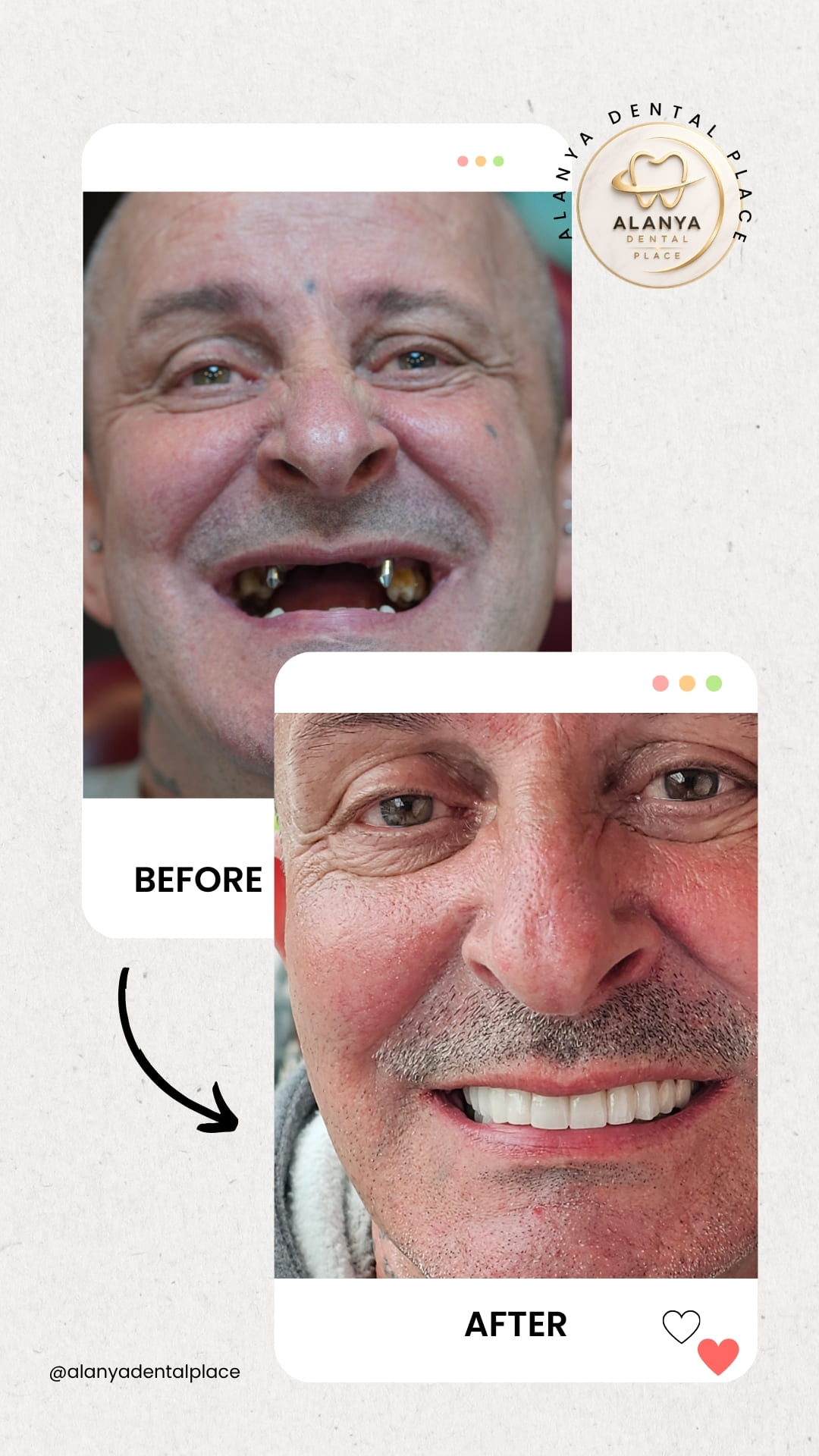
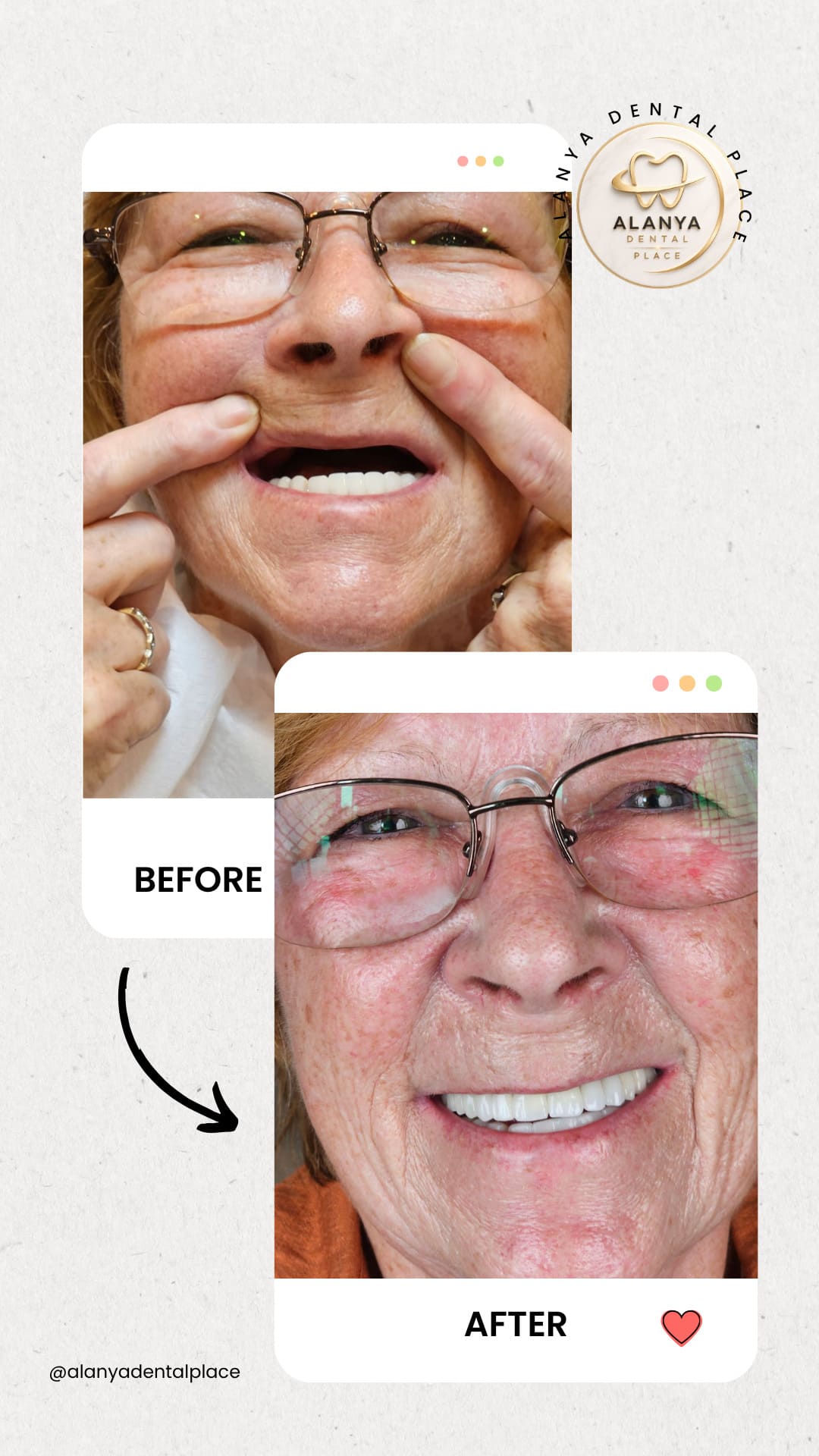
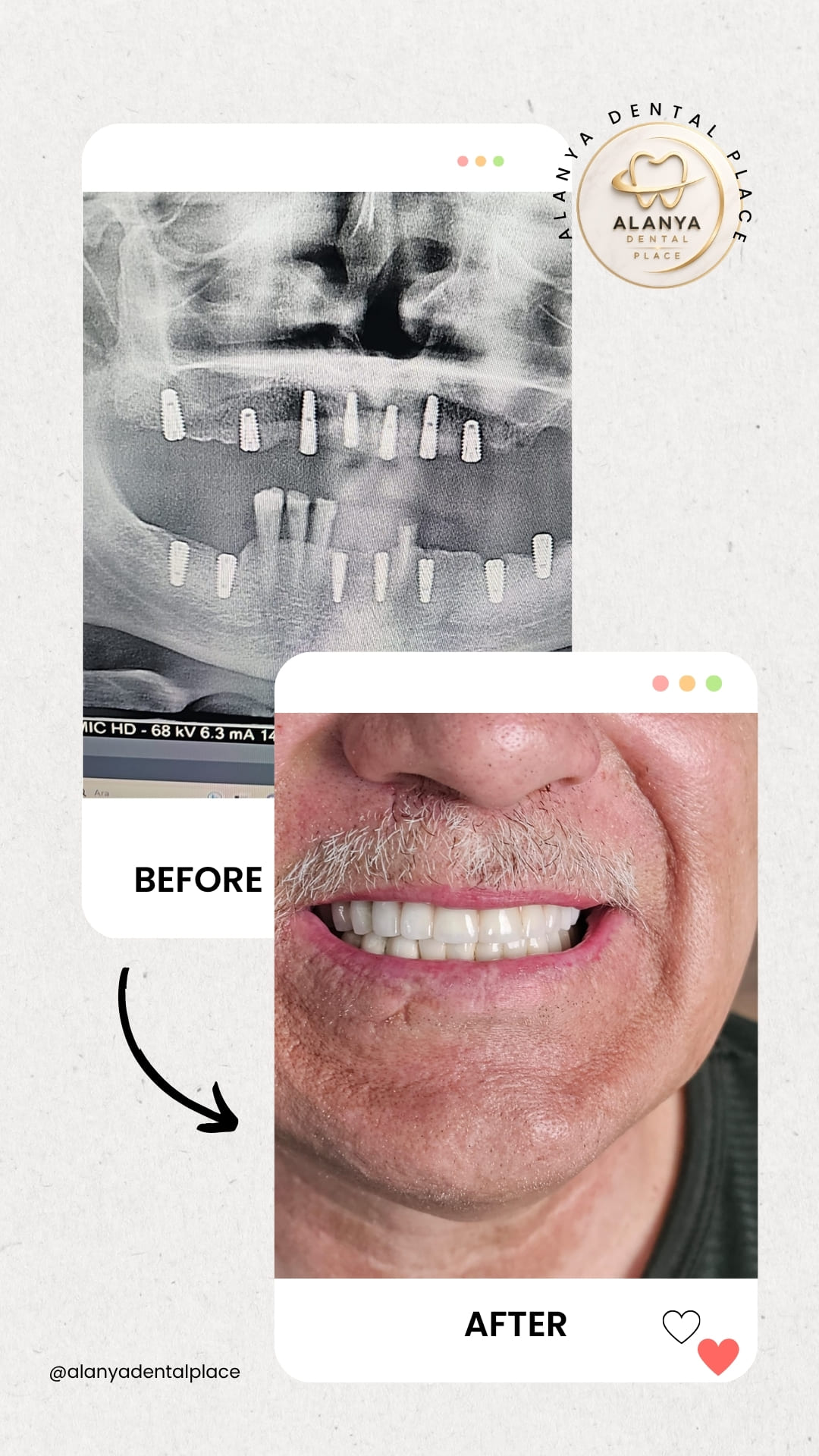
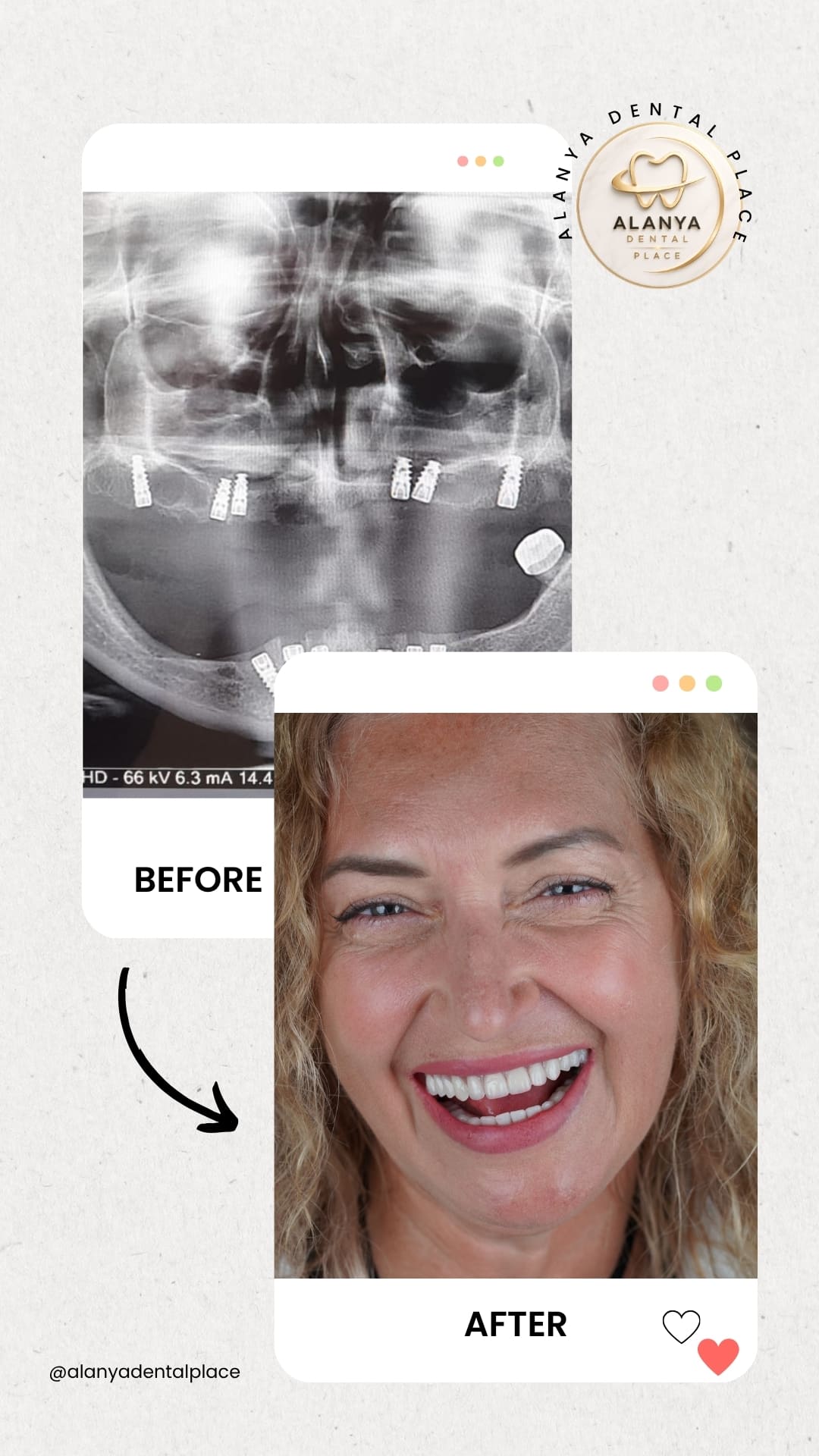
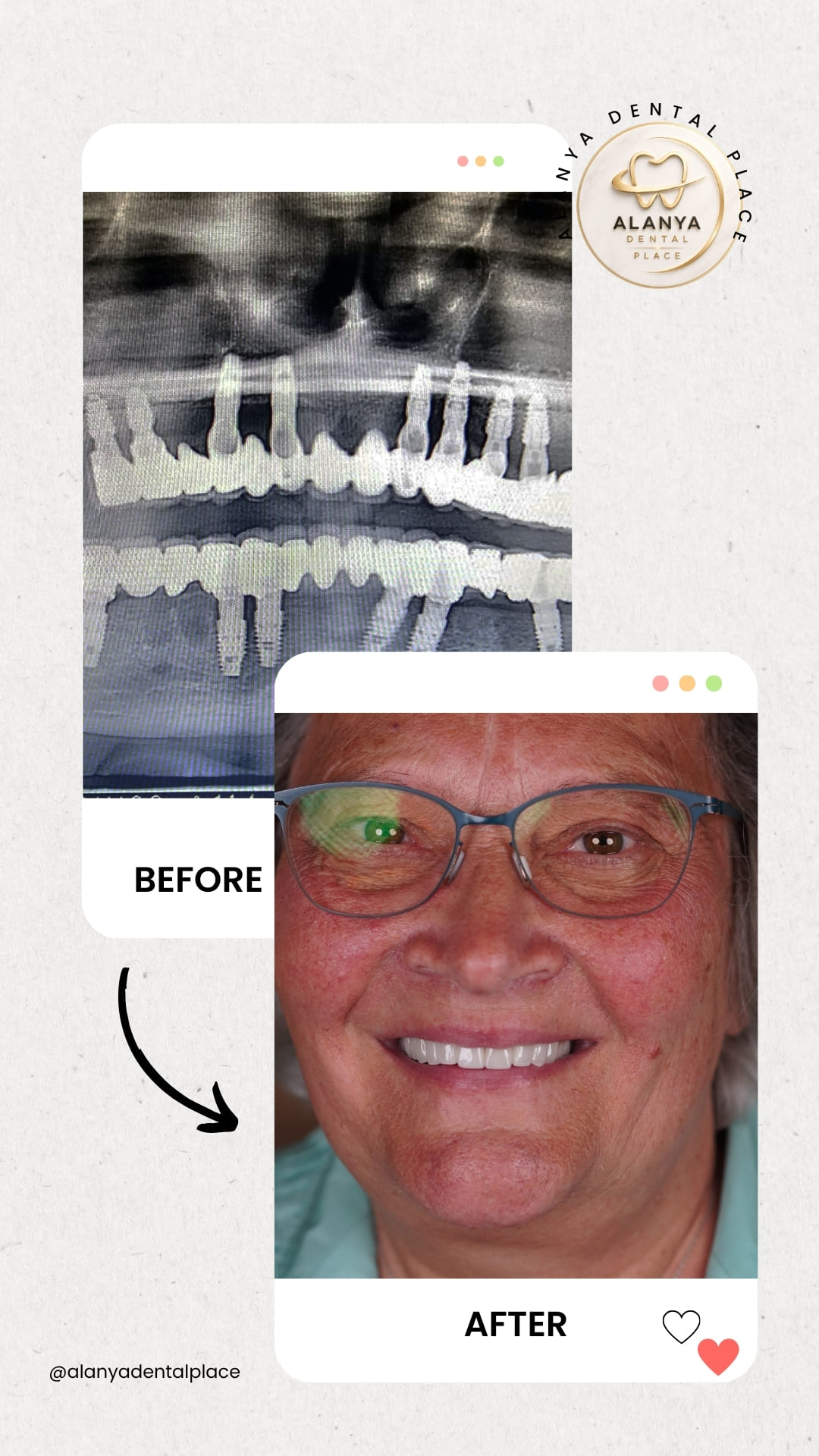
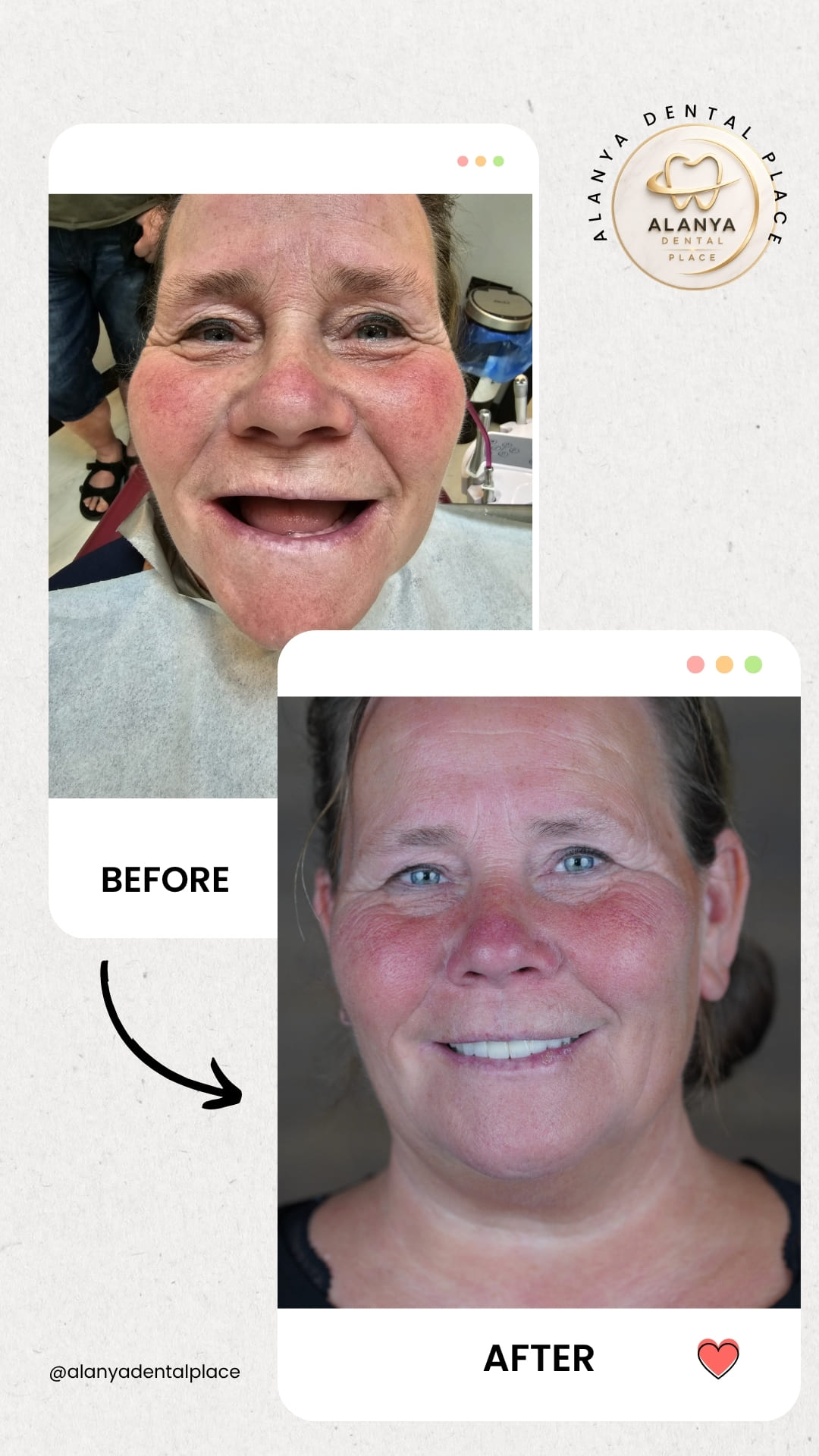
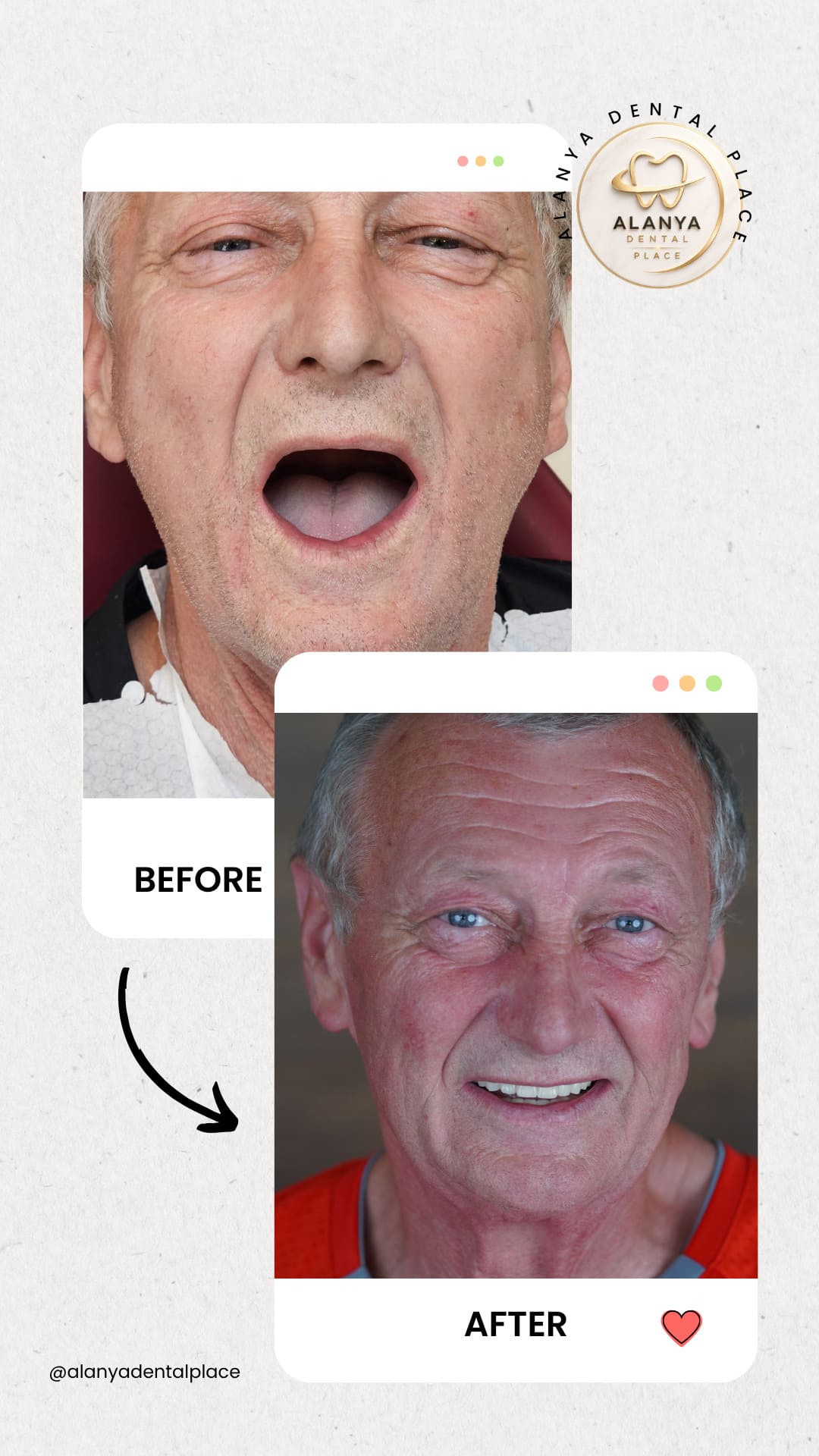
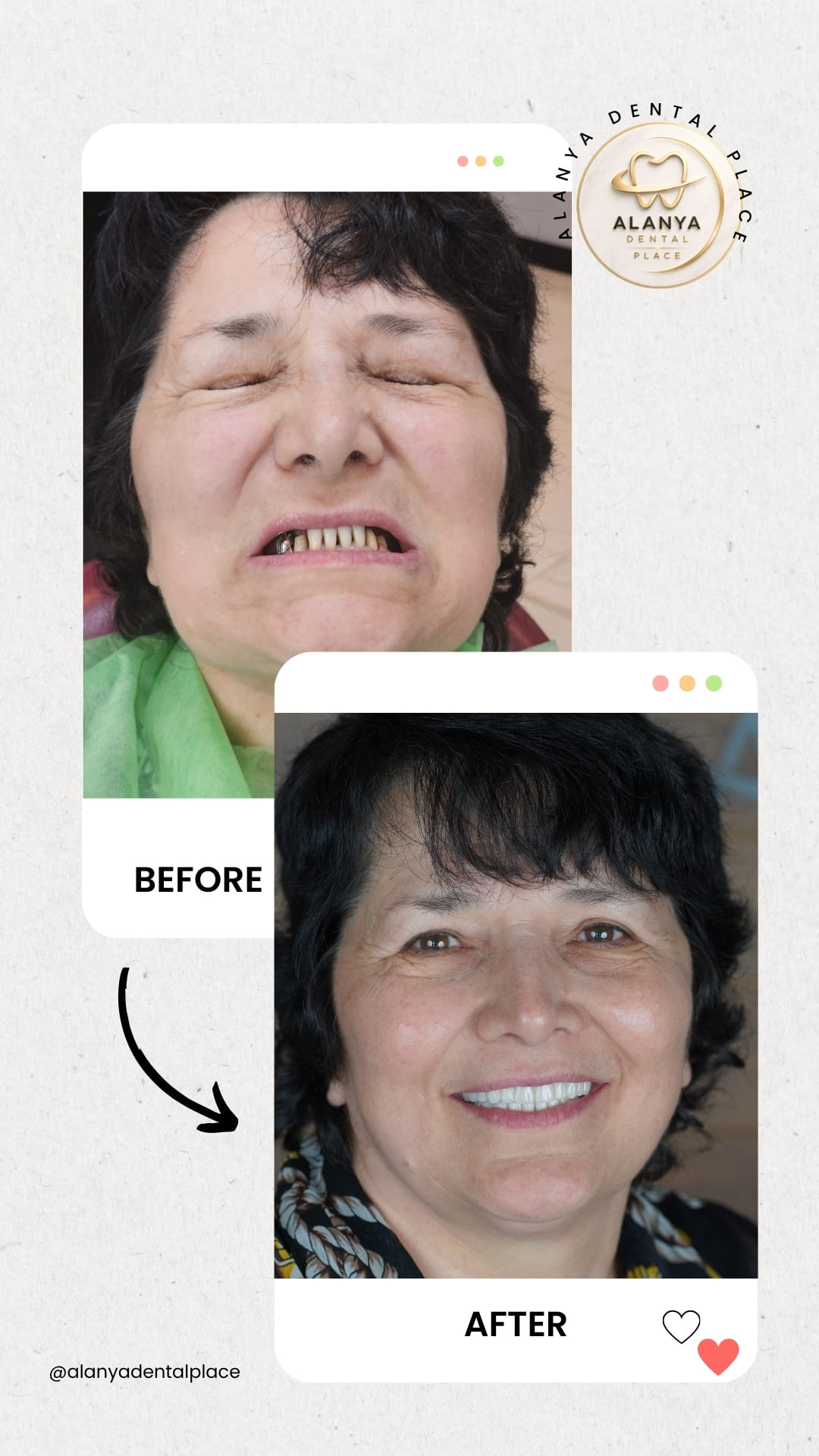
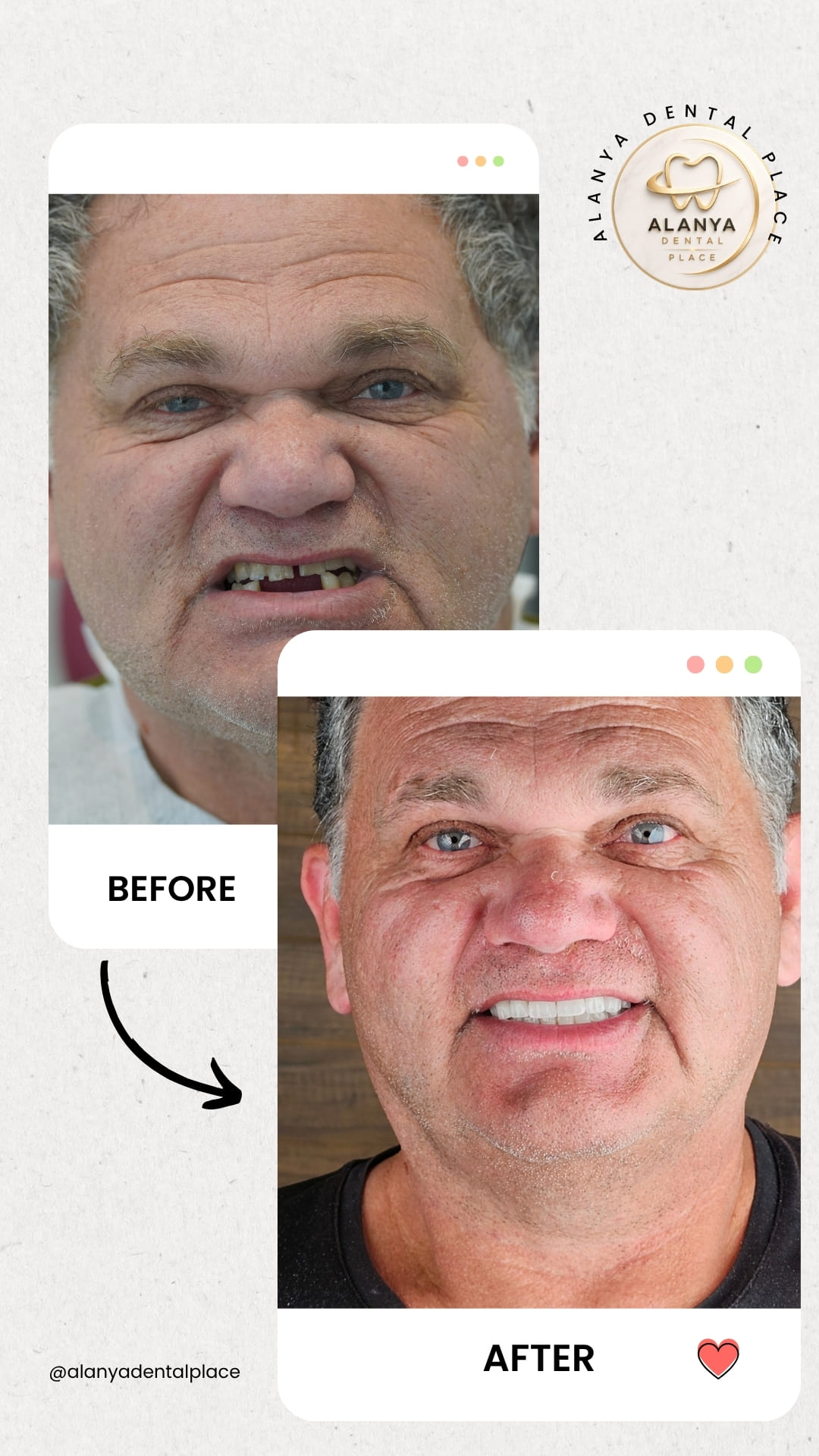
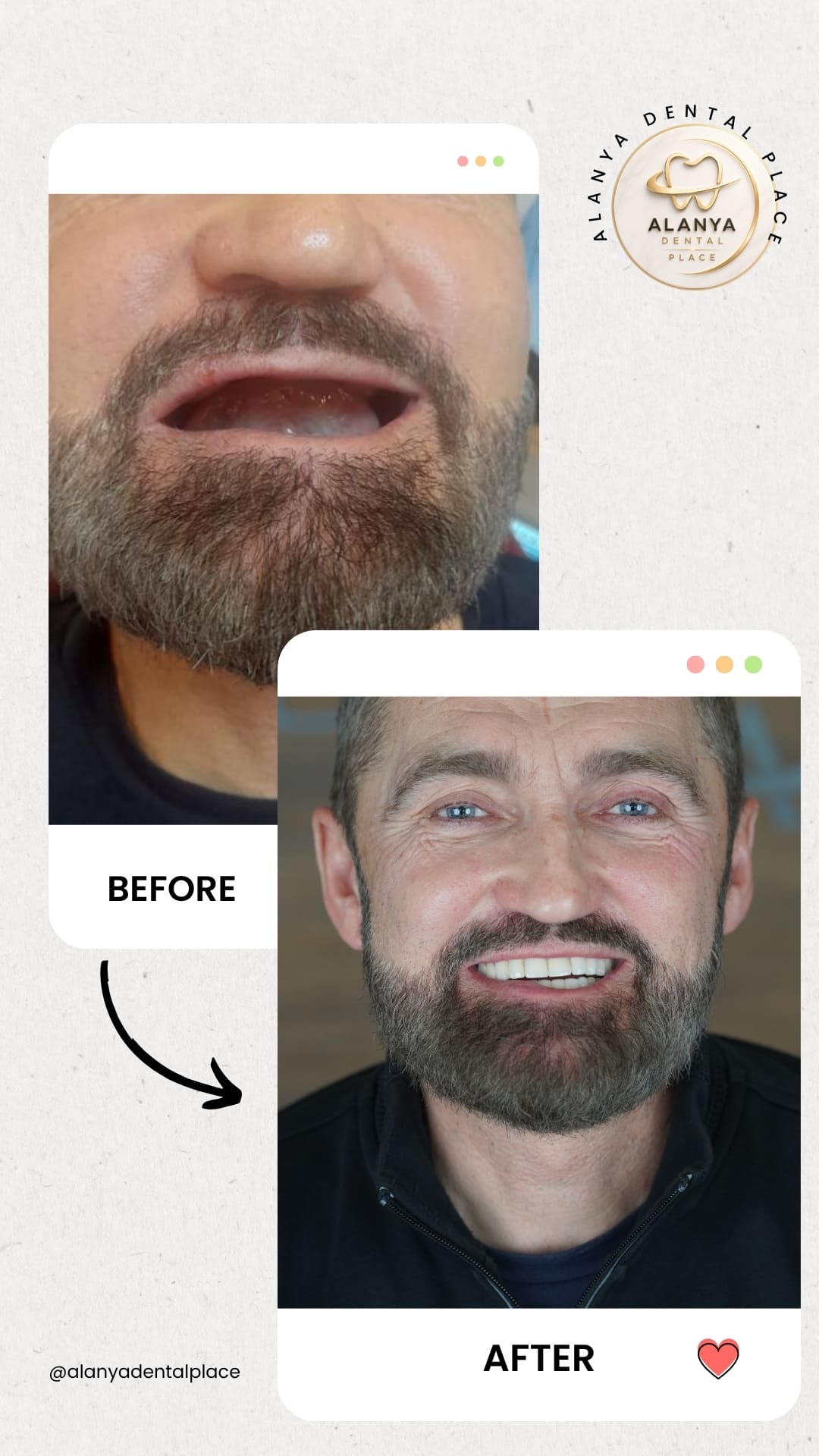
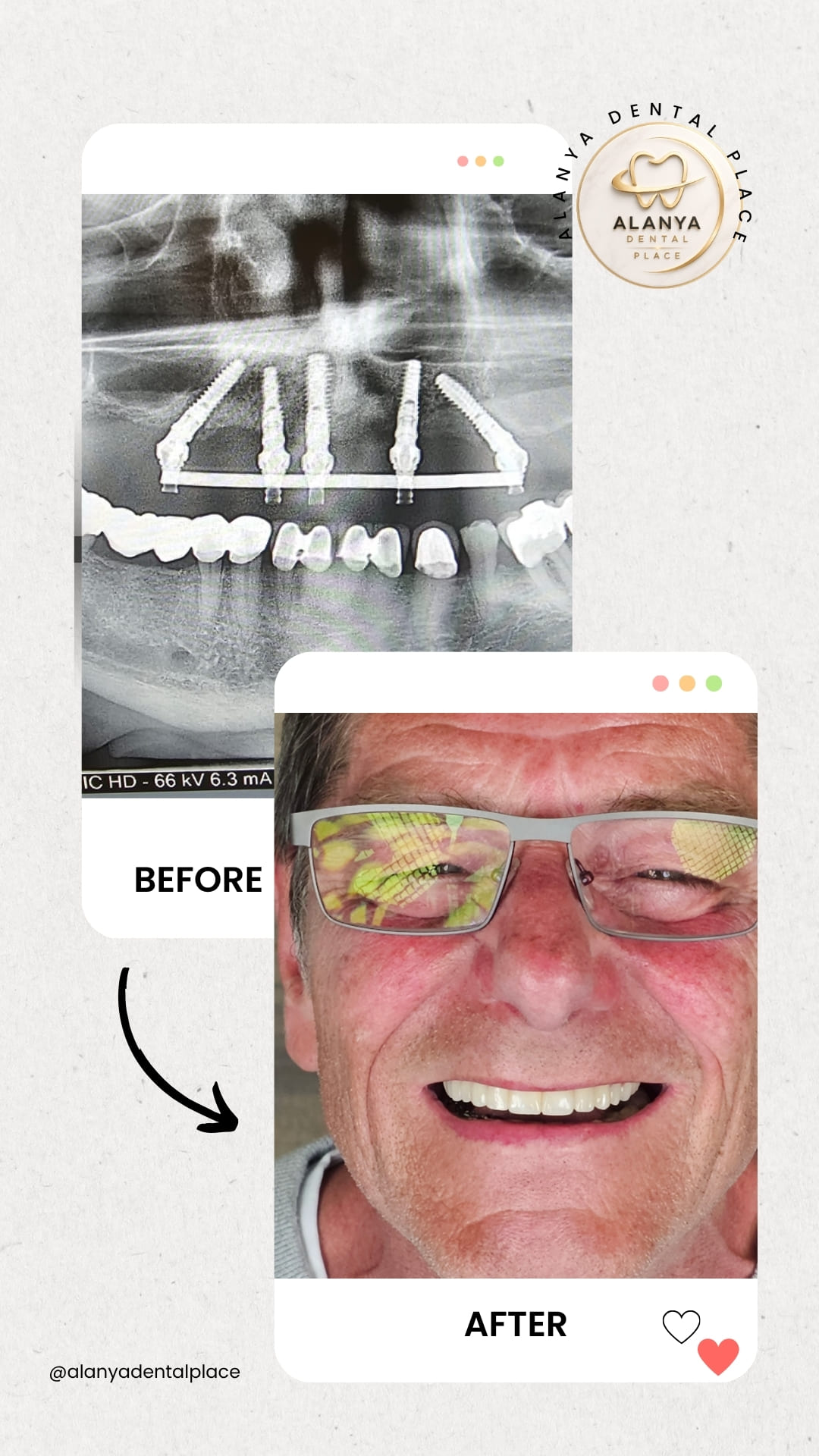
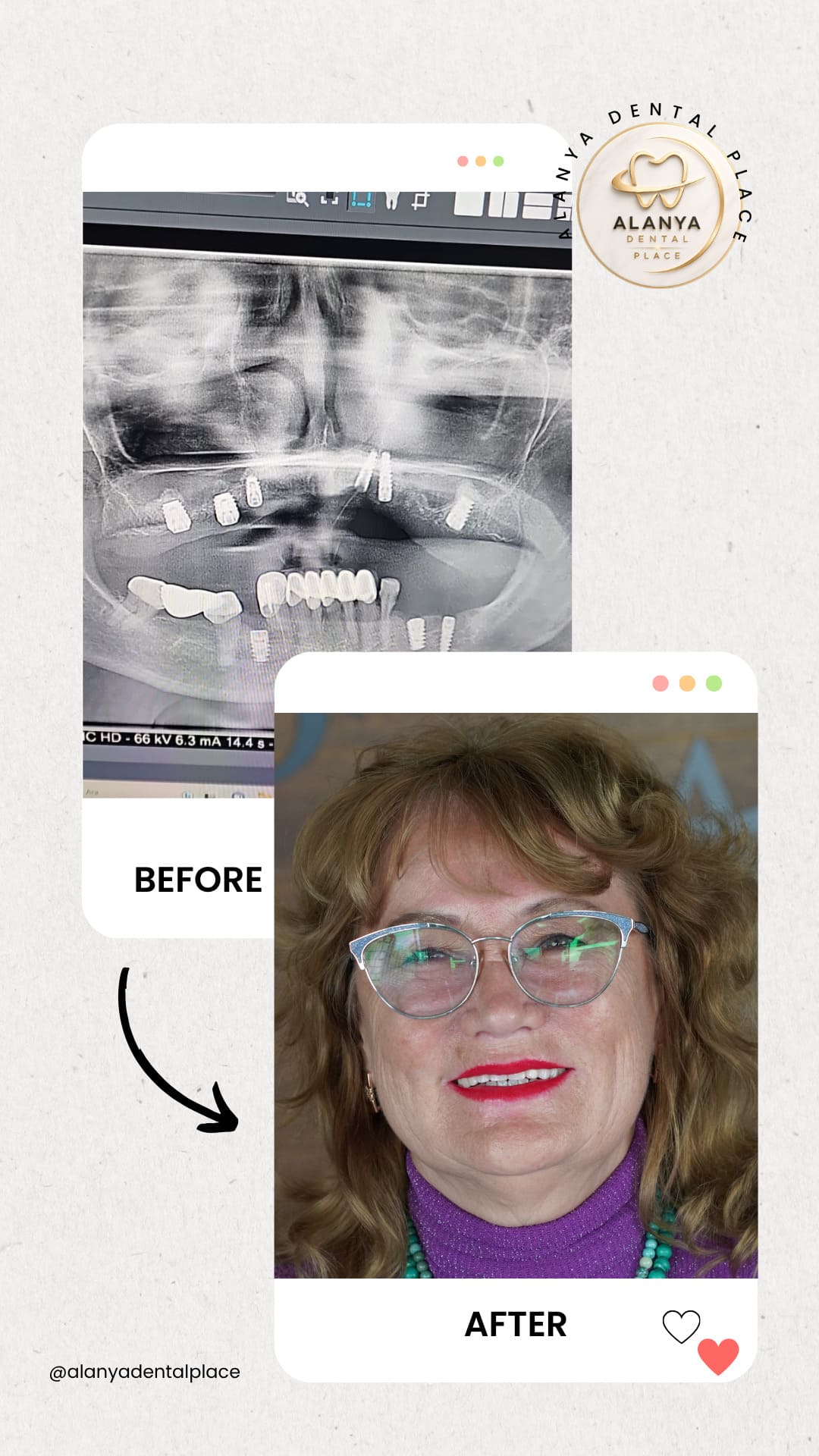
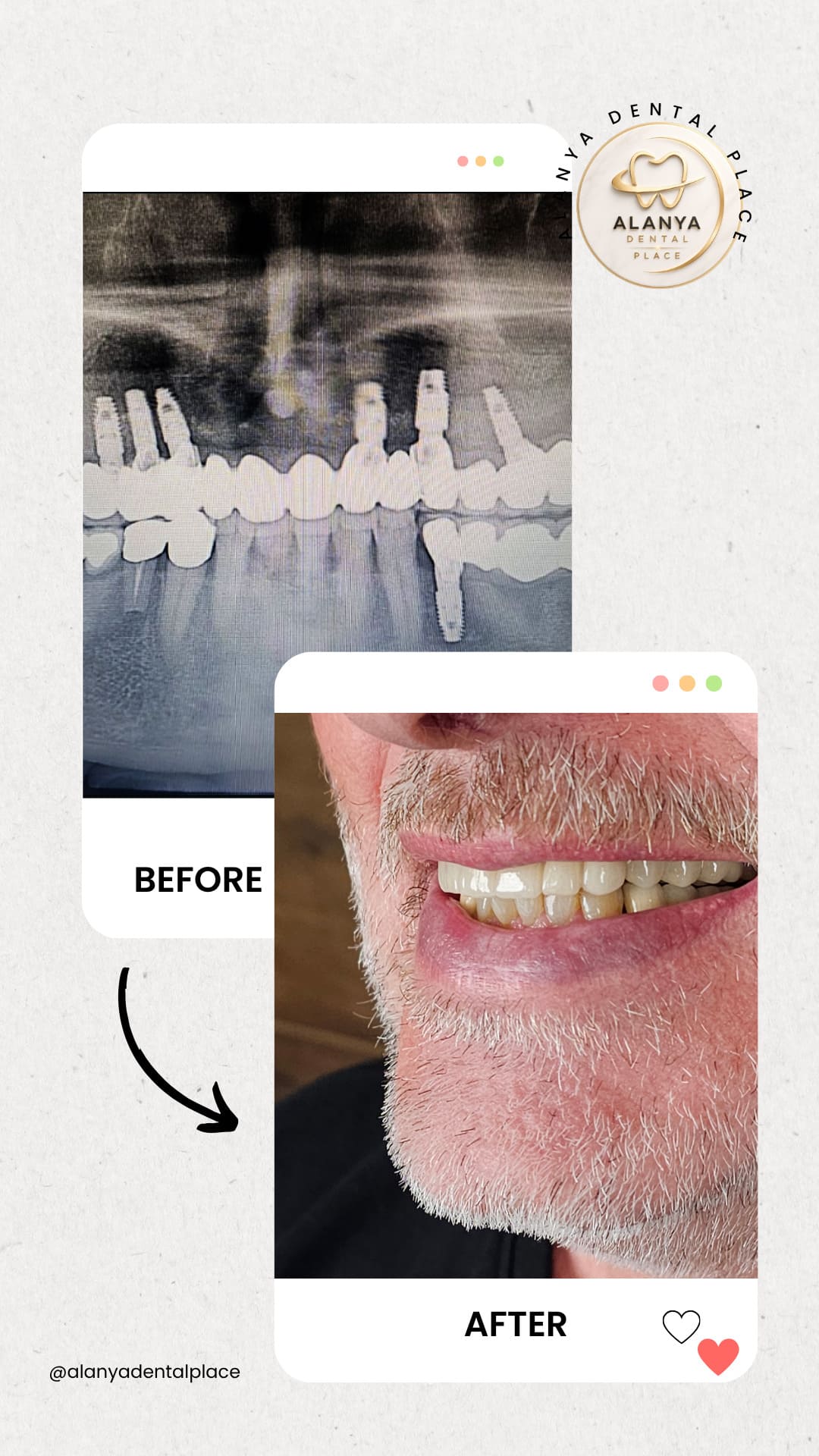
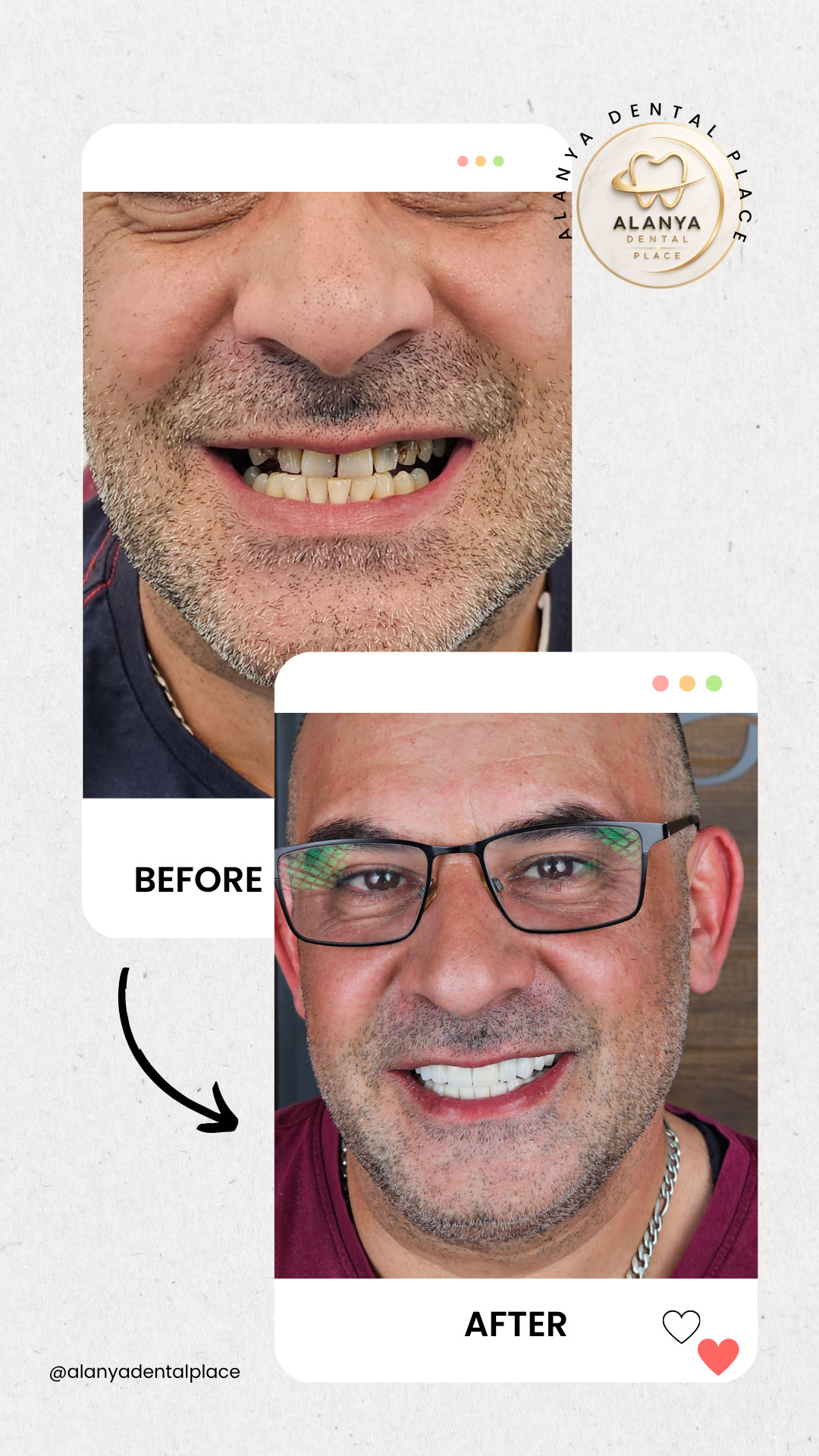
Full-Mouth Dental Implant: Before and After
High success rate and natural-looking results






Full-Mouth Dental Implant Prices in Turkey: What Factors Determine Them?
In Turkey, it would be misleading to put a single figure on the cost of a full-mouth dental implant; this is because the price depends on many variables, ranging from the number of implants used to the material of the crowns. In Turkey, and particularly in the Alanya/Antalya region, the price of a treatment with the same name can vary widely between clinics; understanding the reason for this difference will help you make the right decision.
A clear and personalised quote can only be provided following a clinical assessment after a 3D CT scan.

You can request a post-CT scan assessment to receive a personalised, itemised quote.
Conditions That May Impede Treatment and Risk Assessment
Full-arch dental implants are a treatment that can be successfully carried out in the vast majority of patients whose general health is suitable; however, certain systemic conditions require additional assessment or preparation prior to treatment. As a clinic that prioritises patient safety, we believe it is important to provide transparent information on these matters.
It is one of the most common preventable causes of dental implant failure. Nicotine reduces blood flow to the gums, increases the risk of infection and can delay the osseointegration process. This does not mean that implants cannot be placed in patients who smoke; however, reducing your smoking or giving it up for a certain period before and after surgery will have a direct impact on your success rate.
It may delay the wound healing process and increase the risk of infection. There is no specific contraindication to implant treatment in patients with diabetes whose blood sugar levels are kept under regular control; however, it is recommended that you provide your latest blood test results prior to treatment and that the process is monitored under a doctor’s supervision.
This can make it difficult for the dental implant to settle securely. In such cases, preparatory procedures such as bone grafting or a sinus lift can be used to increase bone volume, thereby making the site suitable for implant placement.
It increases the risk of infection around the dental implant. Stabilising gum health prior to treatment is important for long-term implant success.
(for example, medicines that affect bone metabolism) are carefully assessed when planning treatment.
If you have one or more of these conditions, it does not mean that you cannot undergo this treatment; it may simply require a more detailed preliminary assessment and, possibly, an additional preparatory stage. At Alanya Dental Place, every patient’s medical history is carefully assessed during the initial consultation.
Our Priorities for Patient Safety
- Millimetre-precise planning of the distance to anatomical structures such as nerves and sinuses using 3D tomography
- A detailed assessment of medical history prior to treatment
- Sterile surgical protocols and single-use materials
- Monitoring for early warning signs through regular follow-up appointments after treatment
To find out whether your health is suitable for full-mouth implant treatment, you can book an appointment for our free preliminary assessment.
Why Should You Choose Alanya for Full-Mouth Dental Implants in Turkey?
Alanya, one of Antalya’s most popular tourist destinations, has become an increasingly favoured destination not only for holidays but also for dental treatment. At Alanya Dental Place, we can summarise the practical advantages our location in this region offers our patients as follows:
Alanya is approximately 40 minutes’ drive from Gazipaşa Airport and approximately 1.5 hours’ drive from Antalya Airport. Direct flight options are available from many European cities, which makes travel easier, particularly for patients arriving from abroad.
Full-mouth implant treatment requires two separate visits due to osseointegration. Alanya’s sea, beaches and historic charm allow you to spend the recovery period following your first visit in a holiday atmosphere.
Antalya province is one of Turkey’s leading regions, thanks to its advanced private healthcare facilities and expertise in medical tourism. Alanya Dental Place has structured its clinical infrastructure in this region to cater to international patients as well.
As well as our local patients living in Alanya, we also provide services to international patients who come to Turkey for dental treatment; this dual experience has enabled us to develop a clinic culture capable of adapting to different expectations and needs.
We ensure smooth communication throughout the process for our international patients seeking dental clinics in Antalya and dental treatment in Turkey, providing regular updates from appointment scheduling through to post-treatment follow-up.
You can request an online preliminary assessment before visiting our clinic in Alanya.
Post-Treatment Care: What You Need to Know for a Long-Lasting Implant
Just as much as the success of the implant surgery itself, your post-operative care routine also directly determines the lifespan of your implant. In the table below, you will find the basic guidelines you should follow during the post-operative period.
Instructions
Timing
Why It Matters
If Full-Mouth Implants Are Not Suitable: Alternative Treatment Options
Not every patient begins full-mouth implant treatment with the same anatomical conditions. There are also alternative solutions we can consider for patients with insufficient bone volume or who have different priorities.
Bone Grafting and Sinus Lifting: Insufficient bone volume is not an absolute barrier to full-mouth implant treatment. By placing biocompatible bone grafting material in the deficient area, the volume required for the implant can be built up over time. If bone height is insufficient in the posterior region of the upper jaw due to the sinus cavity, this area is prepared for implant placement through a sinus lift procedure.
Zygomatic Implants: In patients with severe bone loss in the upper jaw where standard implants or sinus lifts do not provide a solution, the zygomatic implant technique—in which the implant is anchored to the zygomatic bone—may be considered. In most cases, this method allows for the placement of fixed dentures without the need for bone grafting.
Snap-On Prosthesis Over Implants: For patients who do not have sufficient bone volume for fixed implant treatment or who are seeking a more cost-effective implant-supported solution, a snap-on prosthesis supported by 2–4 implants and which can be removed daily may be offered. Although chewing efficiency is lower compared to fixed treatment, it offers a significant improvement in comfort compared to traditional removable dentures.a
Which option is clinically suitable for you can only be determined following a detailed examination and imaging; we make this decision together with you, taking your priorities into account.
Why Should You Choose Alanya Dental Place?
The decision to have a full-mouth dental implant is a significant one, both clinically and emotionally. At Alanya Dental Place, the value we offer our patients throughout this process is not limited to surgical success alone:
Personalised treatment planning: Every patient’s bone structure, chewing habits and aesthetic expectations are different. Our treatment plan is not a standard template, but a roadmap tailored to your 3D tomography data.
Transparent, itemised pricing: The quote we provide following the initial assessment is itemised in detail; you won’t be faced with any unexpected additional costs.
Modern imaging technology: Using 3D CBCT tomography, we plan implant positions with millimetre-level precision, making surgical risks predictable.
One clinic, one team, continuous care: You will not be referred to different clinics throughout your treatment; the same team will look after you from your first consultation right through to your final check-up.
Alanya’s central location: We offer a convenient destination in terms of transport and accommodation for both our local and international patients.
You can request a free initial consultation to find out more about our clinic and have your questions answered.
Frequently Asked Questions About Full-Mouth Dental Implants in Turkey
Questions About Treatment
Does a full-mouth dental implant cause pain?
The surgical procedure is carried out under effective local anaesthesia; you will not feel any pain during the procedure, although some patients may feel a slight pressure or vibration. Once the effects of the anaesthesia have worn off, swelling and mild discomfort are to be expected for the first 2–5 days and can be easily managed with prescribed painkillers. Applying ice during the first 24 hours after surgery significantly reduces swelling. Severe pain typically begins to subside after the 3rd to 5th day; if the pain increases over time or is accompanied by a fever, it is important to contact the clinic. Generally speaking, the vast majority of our patients report that the procedure causes less discomfort than they had anticipated. Whilst pain tolerance varies from person to person, thanks to modern anaesthesia protocols and pain management, the process is no longer as challenging as it used to be.
Is All-on-4 or All-on-6 better?
There is no single correct answer to this question; the right question should not be ‘which is generally better’, but ‘which is more suitable for my bone structure’. All-on-4 requires less surgery and generally eliminates the need for bone grafting; it is therefore preferred for patients with moderate to low bone volume. All-on-6 distributes chewing forces over a wider area as it uses more implants and may offer advantages particularly for patients with strong chewing habits or those undergoing treatment in the upper jaw. Aesthetically, there is no significant difference between the two; success depends more on the dentist’s experience and the quality of planning than on the number of implants. The final decision is made following an assessment of your bone density, bite relationship and general oral health based on the results of a 3D CT scan.
How many days or months does full-mouth implant treatment take?
The surgical phase (examination, CT scan, implant placement) is usually completed within 1–3 days. However, it takes 3–6 months for the implant to fuse completely with the jawbone (osseointegration); during this time, you will continue with your daily life using a temporary fixed prosthesis. The permanent prosthesis is fitted within 1–2 days once osseointegration is complete. In total, the time from your initial consultation to receiving your permanent teeth ranges from approximately 4 to 7 months; this period may be extended depending on your bone volume and any preparatory procedures required (grafting, sinus lift). For our patients travelling from abroad, the process can be split into two separate visits: the first for the surgery, and the second for the permanent prosthesis.
Can I resume eating and drinking straight away after implant treatment?
For the first 24–48 hours after surgery, it is recommended that you eat warm or cold, soft foods (yoghurt, soup, purées). You should avoid hot food and drinks, as well as hard and crunchy foods, for the first 10 days; this both reduces the risk of bleeding in the surgical area and prevents micro-movement of the implants. The transition to solid foods should be made gradually, in accordance with your dentist’s advice. If temporary fixed teeth have been fitted on the same day, you should also avoid excessively hard foods whilst wearing these prostheses during the initial period, as osseointegration has not yet been completed. Alcohol consumption should be postponed for at least 2 weeks, whilst smoking should be avoided for a minimum of 4–6 weeks.
I smoke – can I have dental implants fitted?
There is no strict rule stating that implants cannot be placed in patients who smoke; however, smoking is one of the most common preventable causes of implant failure. Nicotine reduces blood flow to the gums, weakens the immune system and can delay the osseointegration process. Quitting smoking or at least significantly reducing your intake for a certain period before and after surgery (ideally at least 4–6 weeks) directly affects your implant success rate. Clearly discussing your smoking status with your dentist during your initial consultation ensures that a personalised risk assessment and treatment plan can be drawn up for you. We offer supportive advice throughout the process for patients who find it difficult to give up smoking.
As a diabetic, can I have a full set of dental implants fitted?
There are no specific contraindications to implant treatment in patients with diabetes whose blood sugar levels are well controlled. However, uncontrolled diabetes can delay the wound-healing process, increase the risk of infection and adversely affect osseointegration. It is important to share your latest blood test results (particularly your HbA1c level) prior to treatment and to plan the process in coordination with your doctor. Strict monitoring of blood sugar levels during the post-operative period plays a critical role in ensuring the healing process progresses healthily. If your diabetes is well-controlled, it is possible to achieve successful outcomes with full-mouth implant treatment; we take a detailed medical history during the initial assessment to assess this.
I’ve been told I don’t have enough jawbone – can I still have implants fitted?
Insufficient bone volume is not an absolute barrier to full-mouth implant treatment. By placing a biocompatible filler material in the deficient area using a bone graft, new bone formation can be encouraged over time; this process usually takes 3–6 months. If bone height is insufficient in the posterior region of the upper jaw, a sinus lift procedure may be performed. In cases of very severe bone loss, however, the zygomatic implant technique—where the implant is anchored to the zygomatic bone—may be considered; this method usually eliminates the need for a bone graft. The 3D tomography scan will clarify which approach is suitable for you; as the assessment of ‘insufficient bone’ can be interpreted differently in various clinics, it may be beneficial to seek a second opinion.
What is the difference between a full-mouth implant and other types of dentures?
A full denture is a removable prosthesis that is held in place on the jaw using adhesive or by suction against the palate; over time, this can lead to problems such as slippage, pressure sores and difficulty chewing. In full-mouth implant treatment, however, the denture is mounted onto titanium implants fixed to the jawbone; this ensures the denture does not move, provides chewing force similar to that of natural teeth, and eliminates the need for daily removal. Furthermore, as the implants transmit stimulation to the jawbone in the same way as natural tooth roots, they also largely prevent bone loss, which is common with traditional dentures. In terms of comfort, speech quality and long-term oral health, full-mouth implants generally offer a superior experience compared to traditional dentures; however, the initial cost and the need for surgery are important factors influencing this decision.
How long does an implant last? Can it be used for life?
Clinical studies have shown that a correctly placed and regularly maintained implant can function successfully for over 20 years; it is therefore regarded as a treatment with ‘lifetime’ potential. However, this timeframe applies to the implant itself; the prosthesis (crown or bridge) placed on top may require replacement within 10–15 years due to wear and tear from daily use. The longevity of an implant depends on correct surgical placement, high-quality implant materials, regular oral hygiene and periodic check-up appointments. To prevent late-stage complications such as peri-implantitis, professional cleaning every six months and an annual radiographic check-up are recommended.
What happens if a full-mouth dental implant fails?
Full-mouth dental implant failure is a rare occurrence when the right patients are selected and surgical planning is carried out correctly; however, factors such as smoking, uncontrolled diabetes or poor oral hygiene can increase the risk. If an implant fails to achieve osseointegration or fails subsequently, the implant is removed, the site is allowed to heal and, if necessary, a new implant can be placed once bone support has been restored. Early warning signs include persistent pain in the implant area, swelling, bleeding gums or a sensation of looseness in the implant; if you notice any of these symptoms, it is important to contact the clinic without delay. Attending regular check-up appointments ensures that any potential problems are identified and addressed at an early stage.
How long will the swelling on my face last after treatment?
Post-operative swelling is part of the body’s natural healing response and usually peaks within the first 2–3 days, before subsiding significantly within 7–10 days. Applying ice (in a 5-minute on/5-minute off cycle during the first 24 hours), sleeping with your head elevated on a high pillow, and taking prescribed medication regularly will help to manage the swelling. The extent of swelling may vary from person to person and depending on the number of implants placed; in cases involving multiple implants, the swelling may be slightly more pronounced. If the swelling continues to increase after 10 days, or is accompanied by symptoms such as a fever or foul-smelling discharge, this may be a sign of infection and you should contact your doctor.
Is it possible to undergo treatment in a single session without losing any teeth?
Under suitable clinical conditions (sufficient bone density, absence of active infection), yes, a temporary fixed prosthesis can be fitted on the same day as implant surgery using the immediate loading protocol, commonly known as ‘teeth on the same day’. This means the patient does not have to leave the clinic with a toothless appearance after surgery. However, this approach is not suitable for every patient; if implant stability is insufficient, a temporary removable prosthesis or a short waiting period may be recommended. Your suitability is determined by 3D tomography and a measurement of the primary stability achieved by the implants during surgery.
Should I choose a porcelain crown or a zirconium crown?
Porcelain (E.max® type) crowns offer a very natural appearance thanks to their high translucency and are a suitable option for patients with normal chewing forces. Zirconia crowns, on the other hand, have a significantly higher fracture resistance, are more resistant to cracking, and are particularly preferred for patients with a history of bruxism (teeth grinding) or those who exert strong chewing forces. Aesthetically, both can produce very successful results; the choice is generally based on the priority given to durability, budget and the dentist’s recommendation. During your initial consultation, your chewing habits will be assessed and a recommendation will be made regarding the most suitable crown material for you.
How many days do I need to stay in Alanya for treatment?
Full-mouth implant treatment requires two separate visits. The first visit involves an examination, a 3D CT scan, tooth extraction if necessary, and implant surgery; this stage usually takes 3–5 days. The second visit, once osseointegration is complete (after 3–6 months), is for the fitting of the permanent prosthesis and usually takes 2–4 days. For our patients travelling from abroad, we organise this timeframe in conjunction with accommodation and travel arrangements; Alanya’s status as a holiday destination allows you to enjoy the recovery period, particularly during the first visit, in a more pleasant manner.
How does the free pre-treatment assessment work?
You can request a free preliminary assessment via WhatsApp, by telephone or via the online form. If you have any existing X-rays or photographs, sharing them will help us carry out a preliminary assessment. When you visit the clinic, your bone structure will be examined in detail through an intraoral examination and a 3D CT scan. Based on the results of this examination, we will present you with personalised treatment options (All-on-4/6/8), any necessary additional procedures (such as a bone graft, if required) and a detailed, itemised quote. At this stage, you are under no obligation to commit; you will have the opportunity to review the proposal and ask any questions you may have.
Sources
- American Dental Association (ADA) — Dental implant overview and patient resources: ada.org
- European Federation of Periodontology (EFP) — Peri-implant diseases and conditions guidelines: efp.org
- National Institute of Dental and Craniofacial Research (NIDCR) — Dental implants research and patient information: nidcr.nih.gov
- NHS — Dental implants overview: nhs.uk
- Mayo Clinic — Dental implant surgery, risks and recovery: mayoclinic.org
- Moraschini V, Poubel LA, Ferreira VF, Barboza ES. Evaluation of survival and success rates of dental implants reported in longitudinal studies with a follow-up period of at least 10 years: a systematic review. Int J Oral Maxillofac Surg. 2015;44(3):377-388. PMID: 25467739.
Do you have any other questions?